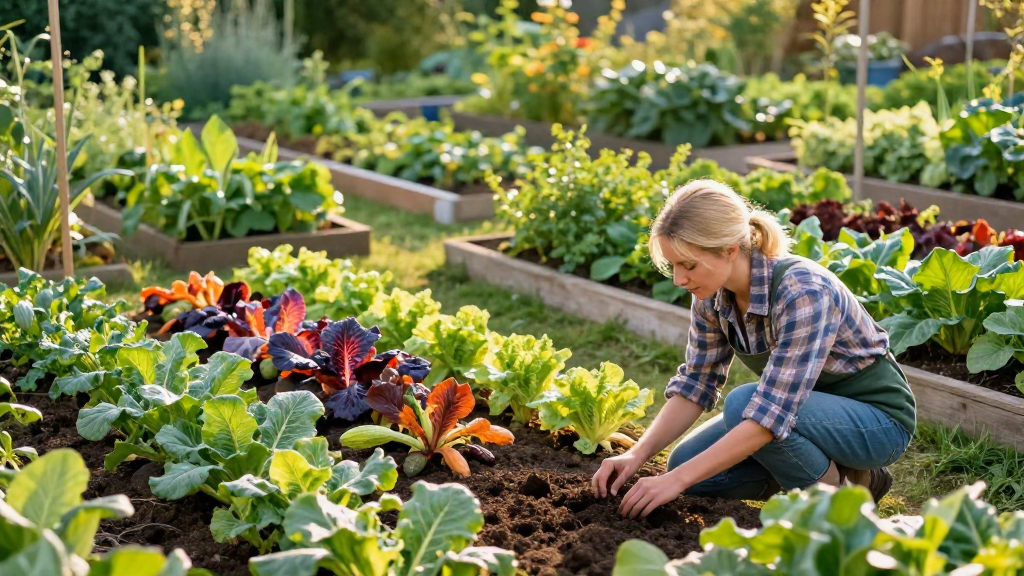
Learning how to rotate garden crops is essential for any aspiring gardener wanting to maximize their yield and maintain soil health. This practice can significantly enhance soil fertility, control pests, and reduce diseases, ultimately leading to a successful gardening experience.
Why Should You Rotate Your Garden Crops?
Rotating crops each season is a fundamental practice in sustainable agriculture. Here are some reasons why this method is vital:
-
Soil Nutrient Management
Different plants require various nutrients. For example, legumes like beans and peas can fix nitrogen in the soil, which benefits subsequent crops. -
Pest and Disease Control
Many pests and diseases are crop-specific. By rotating crops, you can disrupt their lifecycle, reducing the incidence of infestations and infections. -
Weed Management
Rotating crops can help manage weed populations since many weeds thrive on certain species. Changing your crops can outcompete these weeds. -
Improved Soil Structure
Diverse root systems foster better soil structure and microbial activity, leading to healthier soil.
What are the Basic Principles of Crop Rotation?
When considering how to rotate garden crops, it’s essential to keep in mind the following principles:
-
Group Plants by Family
Close relatives often share the same pests and diseases. For instance, members of the Brassica family (cabbage, broccoli) should not be planted successively in the same area. -
Balance Nutrient Needs
Categorize plants by their nutrient needs: - Heavy Feeders: Tomatoes, corn, and squash
- Moderate Feeders: Beans and cabbage
-
Light Feeders: Lettuce and radishes
Rotating these groups can help keep nutrient levels balanced in the soil. -
Allow for Rest
Including a fallow period where the land is left unplanted or planted with cover crops can rejuvenate the soil.
How Can You Plan a Crop Rotation Schedule?
Creating a rotation plan is easier than you might think. Follow these steps to ensure you are effectively learning how to rotate garden crops:
-
Divide Your Garden Into Sections
Ideally, segment your garden into at least four areas. Each section will host a different group of plants each year. -
Create a Crop List
Identify which crops you want to grow and organize them into groups based on their nutrient needs and family. For example:
– Group 1: Tomatoes, peppers, and eggplants (heavy feeders)
– Group 2: Cabbages and kale (moderate feeders)
– Group 3: Beans and peas (nitrogen fixers)
– Group 4: Carrots and beets (light feeders) -
Draft a Rotation Plan
Create a cycle that rotates plants through the sections. Here’s a basic five-year rotation plan:
– Year 1: Group 1
– Year 2: Group 2
– Year 3: Group 3
– Year 4: Group 4
– Year 5: Fallow/cover crops -
Maintain Records
Keep a gardening journal. Write down what you planted, the crops’ performance, and the conditions each year. This record will help you refine your approach.
What Crops Should You Rotate?
Choosing what crops to rotate depends on your climate, soil type, and personal preferences. However, here are some popular crops to consider:
- Legumes: Beans, peas, or lentils – great for fixing nitrogen in the soil.
- Nightshades: Tomatoes and peppers – heavy feeders that benefit from nutrient replenishment.
- Root Vegetables: Carrots, radishes, and beets – light feeders that help prevent soil compaction.
- Leafy Greens: Lettuce, spinach, and kale – moderate feeders that are excellent for quick harvests.
How to Handle Pests and Diseases During Rotation?
While how to rotate garden crops can mitigate many pest and disease issues, some may still arise. Here’s how to manage them:
- Regular Monitoring: Inspect your plants frequently for early signs of pests or diseases.
- Companion Planting: Identify plants that can deter pests or attract beneficial insects, such as marigolds.
- Organic Pesticides: Use neem oil or insecticidal soap as a preventative measure if necessary.
- Sanitation: Clean up plant debris at the end of the season to remove potential overwintering sites for pests.
What are Some Common Challenges in Crop Rotation?
Even with the best intentions, challenges may arise when implementing crop rotation. Here are a few you may face:
-
Space Restrictions: Urban gardeners might have limited space for extensive crop rotation.
– Solution: Use container gardening or vertical gardening techniques to diversify your crops even in a compact area. -
Salinity and Soil Health: Soil may degrade over time due to various factors.
– Solution: Regularly test your soil and amend it with compost or organic matter to boost health. -
Unfamiliarity with New Crops: You may encounter unfamiliar crops or varieties.
– Solution: Research and trial small amounts before committing to large plantings.
When Should You Start Rotating Your Crops?
The best time to start rotating your crops is at the beginning of the planting season.
- Evaluate your garden layout.
- Plan your crop schedule.
- Purchase seeds and supplies ahead of time.
Implementing crop rotation may take a couple of growing seasons to see the full benefits, but the rewards will be well worth the effort!
Conclusion: How to Rotate Garden Crops for a Thriving Garden
Learning how to rotate garden crops is a valuable skill that can improve your gardening journey.
By understanding the principles of crop rotation, creating a solid plan, and addressing potential challenges, you can cultivate a thriving garden full of diverse plants, rich soil, and vigorous yields.
Whether you’re a beginner or a seasoned gardener, crop rotation is a technique that will serve you well season after season.
Happy gardening! 🌱