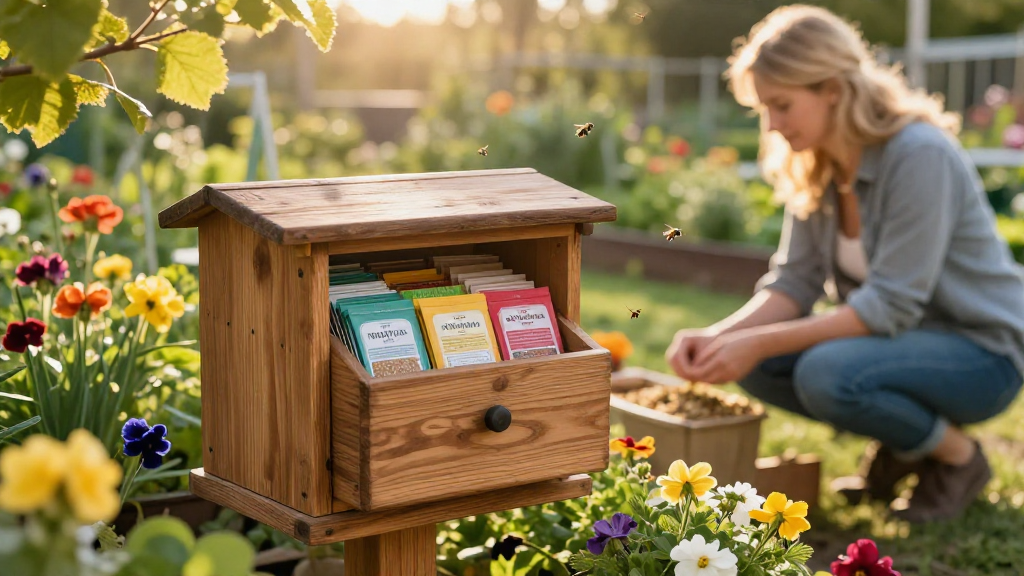
Are you looking for ways to help your community become more self-sufficient and sustainable? If so, learning how to start a seed library might be the perfect project for you.
What Is a Seed Library?
A seed library is a community-driven initiative that allows individuals to share and exchange seeds.
It encourages biodiversity while fostering a sense of community among gardeners and those interested in agriculture.
Generally, a seed library operates by allowing members to borrow seeds for planting.
They can then return seeds from their own harvests, resulting in a continually replenished supply.
Starting a seed library not only promotes local gardening but also helps preserve heirloom and native varieties of plants,
which are crucial for maintaining ecological balance.
Why Should You Start a Seed Library?
You might be wondering, “Why should I invest my time and resources into starting a seed library?”
-
Foster Community Engagement:
– Keeping the community engaged supports social bonds.
– It encourages dialogue about gardening, sustainability, and local food systems. -
Promote Biodiversity:
– A seed library can help preserve local plants and heirloom varieties.
– It encourages the use of organic gardening techniques. -
Educate the Public:
– Workshops and events can be organized to teach individuals about gardening, seed saving, and biodiversity.
– Enhancing knowledge spreads best practices among community members. -
Enhance Food Security:
– A seed library enables easy access to seeds, which can help in local food production.
– It equips community members with the resources they need to grow their own food.
How Do You Start a Seed Library?
Understanding how to start a seed library can sometimes feel overwhelming.
However, the process can be broken down into manageable steps:
Step 1: Identify Your Community Needs
Ask yourself, “What does my community need?”
- Conduct surveys or hold community meetings to gather information.
- Understand the demographics and interests of your community members.
- Gain insights about the types of seeds that will be in demand.
Step 2: Assemble a Team
Having a committed group can make the process smoother.
This team could include:
- Gardeners: Learning from seasoned gardeners brings invaluable knowledge.
- Local NGOs: Partnering with organizations interested in sustainability.
- Library Personnel: Public libraries might wish to collaborate, expanding access.
Step 3: Find a Space
“Where will you house your seed library?”
The physical space is a vital part of your initiative:
- Public Libraries: Many libraries encourage community engagement and might welcome your initiative.
- Community Centers: These locations often boast foot traffic and community involvement.
- Gardening Clubs: Partnering with local gardening clubs can provide a supportive environment.
Step 4: Create a Seed Collection
“What types of seeds will you offer?”
Think about the varieties that would best suit your community!
- Focus on Heirloom Varieties: These are essential for biodiversity.
- Include Native Plants: Local plants adapt well to the region and often require less maintenance.
- Provide a mix of Vegetables, Flowers, and Herbs: Cater to diverse gardening interests.
Step 5: Develop Guidelines
Creating simple rules will help maintain the integrity of your seed library.
Consider these guidelines:
- Borrowing Limits: Establish limits for how many seeds members can borrow.
- Seed Saving Practices: Educate members on how to save seeds properly.
- Returns: Encourage returning seeds from harvested plants to sustain the cycle.
Step 6: Organize Educational Workshops and Events
“What resources will you provide to educate the community?”
Hosting workshops can bolster community engagement and provide essential knowledge. Consider the following:
- Seed Saving Workshops: Teach the techniques involved in saving seeds.
- Gardening Basics: Offer classes on soil health, growing conditions, and pest management.
- Community Gardening Days: Organize events where community members can come together to garden, share tips, and plant seeds.
Step 7: Promote Your Seed Library
“How will you get the word out?”
Marketing your seed library is crucial to its success. Utilize diverse methods:
- Social Media: Create accounts on platforms like Instagram and Facebook.
- Local Newspapers: Submit press releases or articles about your initiative.
- Community Boards: Use flyers and brochures to spread the word in public spaces.
Step 8: Consider Sustainability
“How will you keep your seed library running long-term?”
Think about ways to ensure that your library remains sustainable over time:
- Membership Fees: Consider a nominal fee to help cover costs associated with seed purchases.
- Fundraising Events: Organize events to raise money for your seed library.
- Sponsorships: Seek local businesses willing to contribute goods or funds.
What Challenges Might You Face?
Learning how to start a seed library isn’t without its hurdles. You may encounter:
- Initial Skepticism: Some community members might doubt whether a seed library is beneficial.
- Budget Constraints: Securing funding or donations can be challenging, especially in the early stages.
- Maintenance: Regularly restocking and organizing the seed library requires ongoing effort.
Conclusion
Starting a seed library in your community can significantly influence local sustainability efforts and foster a sense of connection among residents.
By following the steps outlined above on how to start a seed library, you can create a vibrant resource that benefits current and future gardeners.
Through teamwork, education, and community engagement, your seed library could help cultivate not just plants but self-sufficiency and well-being within your neighborhood.
Embrace the challenge and enjoy the journey, knowing that you are contributing to a more sustainable future for everyone in your community!