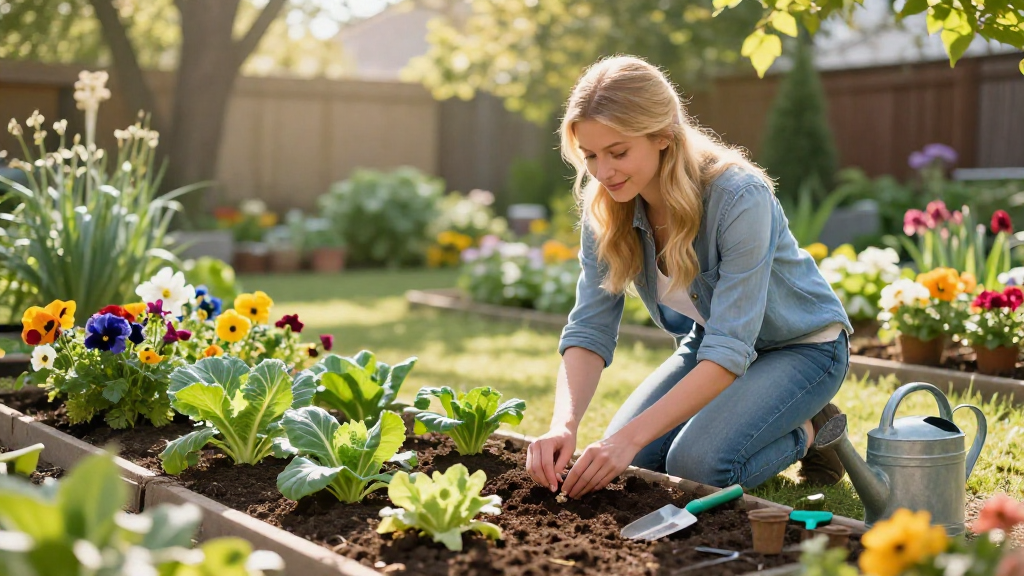
If you’ve ever thought about how to start gardening as a beginner, you’re in the right place.
Gardening can be an incredibly rewarding hobby that not only beautifies your space but also contributes positively to the environment and offers a variety of health benefits.
In this guide, we will walk you through the essential steps to start gardening as a beginner, ensuring you have the knowledge and confidence you need to cultivate your green thumb.
Why Should You Start Gardening?
Gardening offers numerous benefits for beginners, including:
-
Stress Reduction: Spending time outdoors and nurturing plants can significantly reduce stress levels.
-
Physical Activity: Gardening provides a great workout, whether you’re digging, planting, or weeding.
-
Fresh Produce: Growing your own vegetables and fruits can lead to a healthier diet and is often more cost-effective than buying organic produce from the store.
-
Connection to Nature: Gardening allows you to connect with the earth and appreciate natural beauty.
What Do You Need to Start Gardening as a Beginner?
Before diving into gardening, it’s essential to gather some basic supplies. Here’s what you will need:
-
Seeds or Seedlings: Choose easy-to-grow plants like tomatoes, lettuce, or herbs.
-
Soil: Invest in high-quality potting soil or garden soil, depending on whether you are planting in pots or in the ground.
-
Gardening Tools:
– Trowel: For digging and planting.
– Hand Fork: For loosening soil.
– Watering Can or Hose: To keep your plants hydrated.
– Gloves: To protect your hands from dirt and potential hazards. -
Containers (if container gardening): Make sure they have drainage holes.
-
Fertilizer: A balanced fertilizer can help boost plant growth.
How to Choose the Right Location for Gardening?
When determining how to start gardening as a beginner, selecting the correct location is crucial. Here are key considerations:
-
Sunlight: Most plants need at least six hours of sunlight daily. Observe your yard or balcony to find the sunniest spots.
-
Accessibility: Choose a location that is easy to reach for watering, weeding, and harvesting.
-
Drainage: Ensure the soil drains well to prevent plant roots from drowning. Avoid areas with heavy clay soil.
What Should You Plant First?
As a beginner, it’s best to start with plants that are easy to grow. Here are some good choices when figuring out how to start gardening as a beginner:
-
Herbs: Basil, mint, and rosemary are very forgiving and can thrive in pots or garden beds.
-
Leafy Greens: Spinach and lettuce grow quickly and can be harvested multiple times.
-
Radishes: Fast-growing and can be ready to harvest in just a few weeks.
-
Tomatoes: Popular for beginners, they produce delicious fruits. You may want to start with seedlings for the best results.
How to Prepare Your Garden Bed or Containers?
Preparation is key to successful gardening. Here’s how to prep your space:
-
Clear the Area: Remove any weeds, rocks, or debris from your garden bed.
-
Loosen the Soil: Use a spade or fork to aerate the soil, making it easier for plants to take root.
-
Amend the Soil: Mix in compost or fertilizer to enrich the soil with nutrients.
-
Set Up Containers (if applicable): For container gardening, fill your pots with potting soil, leaving enough space at the top for watering.
How to Plant Your Seeds or Seedlings?
Once you have your garden space ready, it’s time to plant! Follow these simple steps:
-
Read the Seed Packets: Each type of seed will have specific planting instructions regarding depth and spacing.
-
Create Rows or Holes: Using your trowel, make rows for seeds or holes for seedlings.
-
Plant: Place seeds or seedlings in their holes or rows and cover them lightly with soil.
-
Water: Gently water the newly planted seeds or seedlings to settle the soil.
How Can You Maintain Your Garden?
Once your garden is planted, routine maintenance is vital. Here are some essential practices:
-
Watering:
– Keep the soil consistently moist but not soggy.
– Water early in the morning or late in the afternoon to minimize evaporation. -
Weeding:
– Regularly check for weeds that compete with your plants for nutrients and water.
– Pull them out by the roots to prevent regrowth. -
Fertilization:
– Apply fertilizer every four to six weeks to nourish your plants. -
Pest Control:
– Keep an eye out for pests and diseases.
– Use organic pest control methods when necessary, such as neem oil or insecticidal soap.
How to Harvest Your Plants?
Knowing when and how to harvest is an exciting part of how to start gardening as a beginner. Here’s what to do:
-
Monitor Growth: Be aware of the optimal harvesting times for each plant type.
-
Use the Right Tools: A sharp knife or scissors can help avoid damaging the plant.
-
Harvest at the Right Moment: For instance, leafy greens can be harvested when they reach a desirable size, while tomatoes should be harvested when fully ripe and red.
What Should You Do in the Off-Season?
Gardening doesn’t stop once the growing season is over. Here are some activities to engage in:
-
Plan for Next Season: Consider what worked and didn’t work during the past year.
-
Compost: Start a compost pile with kitchen scraps and yard waste to enrich your soil for the next planting season.
-
Clean Up: Remove dead plants and debris to prevent pests or diseases from overwintering.
-
Learn: Read gardening books or join local gardening clubs to expand your knowledge.
Conclusion: Enjoying the Fruits of Your Labor
Now that you have a solid understanding of how to start gardening as a beginner, it’s time to get your hands dirty and enjoy the process!
Remember, patience is key in gardening.
With practice, you’ll grow not only plants but also your skills and confidence. Enjoy every moment in your garden, and reap the benefits of your hard work for years to come!