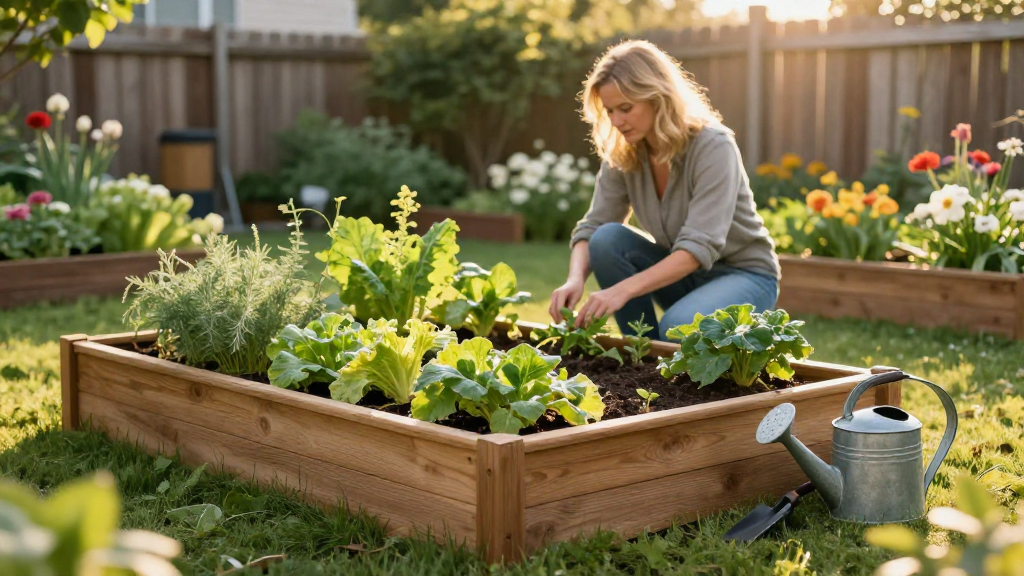
If you’ve ever thought about cultivating your green thumb but worried about costs, this guide on how to start gardening on a budget is for you! Gardening can be an enriching hobby that not only beautifies your space but also provides fresh produce, all without breaking the bank.
What Are the Basic Steps to Start Gardening on a Budget?
Starting a garden requires planning, creativity, and a pinch of resourcefulness.
Here are simple steps to begin:
-
Assess Your Space:
– Look for areas in your yard or balcony that receive ample sunlight.
– Consider using containers if you lack ground space. -
Set a Budget:
– Determine what you can spend initially.
– Remember that gardening can be an ongoing investment in terms of time and resources. -
Choose Affordable Plants:
– Opt for seeds instead of pre-grown plants.
– Consider native plants or perennials, which often require less maintenance and are better adapted to your local environment. -
Utilize Recycled Materials:
– Repurpose old containers, wooden pallets, or even broken furniture for plant beds or pots.
Where Can I Find Affordable Gardening Supplies?
Finding gardening supplies on a budget is entirely possible with a bit of investigation. Here are some places to consider:
-
Local Nurseries and Garden Centers: They might have seasonal sales or clearance racks.
-
Garage Sales and Flea Markets: Often, you can find gardening tools and supplies at discounted prices.
-
Online Marketplaces: Websites like Craigslist or Facebook Marketplace frequently feature people selling used gardening tools and plants.
-
Community Gardens: Joining a community garden can provide shared resources and tools at a lower cost.
How Can I Save Money on Seeds and Plants?
When learning how to start gardening on a budget, it’s essential to know how to save on seeds and plants.
Here are some tips:
-
Seed Swaps: Join local gardening groups or community events where you can exchange seeds with fellow gardeners.
-
Start from Cuttings: Propagate plants from cuttings of existing plants in your garden or from friends.
-
Heirloom Seeds: Look for heirloom seed varieties that can be saved for future planting, thus cutting costs long-term.
-
Plant Sales: Attend sales at local gardening clubs or botanical gardens that may offer plants at discounted prices.
What Are the Cost-Effective Gardening Techniques I Can Use?
To maximize your gardening success while keeping costs down, consider these cost-effective techniques:
- Companion Planting:
-
Certain plants grow better together, providing benefits to each other such as pest control and pollination.
-
Mulching:
-
Use organic materials like grass clippings or shredded leaves to retain moisture and minimize weed growth.
-
DIY Fertilizers:
-
Composting kitchen scraps and yard waste can create your nutrient-rich soil conditioner.
-
Rainwater Harvesting:
- Install a simple rain barrel to collect and use rainwater for your garden, reducing water bills.
How Can I Maintain a Budget-Friendly Garden?
Once your budget-friendly garden is underway, maintenance is key to longevity and productivity. Here are a few ideas:
- Regularly Monitor Plants for Pests:
-
Catching infestations early can save you from purchasing harmful pesticides.
-
Plan Your Watering Schedule:
-
Water early in the morning or late in the evening to minimize evaporation.
-
Keep a Gardening Journal:
- Document what works and what doesn’t, leading to better planning the following season.
Is Growing Food in a Budget Garden Feasible?
Yes, growing food in a budget garden is not only feasible, but it’s also incredibly rewarding! Here’s how to maximize your garden for food production:
- Start with Easy Crops:
-
Begin with vegetables such as lettuce, radishes, and herbs that grow quickly and require minimal investment.
-
Consider Container Gardening:
-
If space is limited, containers can house herbs or small vegetable varieties effectively.
-
Rotate Crops:
-
By rotating the location of your plants each season, you can improve soil fertility and reduce pest issues.
-
Preserve Your Harvest:
- Learn basic canning or freezing techniques to enjoy your produce all year long without added costs.
How Can Community Resources Assist Me?
Gardening on a budget can be made easier with the support of community resources:
- Extension Services:
-
Many counties offer free workshops and resources for local gardeners.
-
Local Gardening Clubs:
-
Join clubs to connect with like-minded individuals, exchange information, and share resources.
-
Online Forums and Social Media Groups:
- Participate in discussions, ask questions, and even trade seeds or cuttings with others.
Conclusion: Transform Your Gardening Dreams into Reality
Learning how to start gardening on a budget is a rewarding journey filled with learning and opportunity.
With the steps outlined in this guide, you’ll find that gardening need not be an expensive hobby.
Embrace creativity, leverage community resources, and keep an eye on costs to cultivate not just plants, but a profound appreciation for nature and sustainability.
Start today, and watch your garden—while budget-friendly—thrive and flourish!