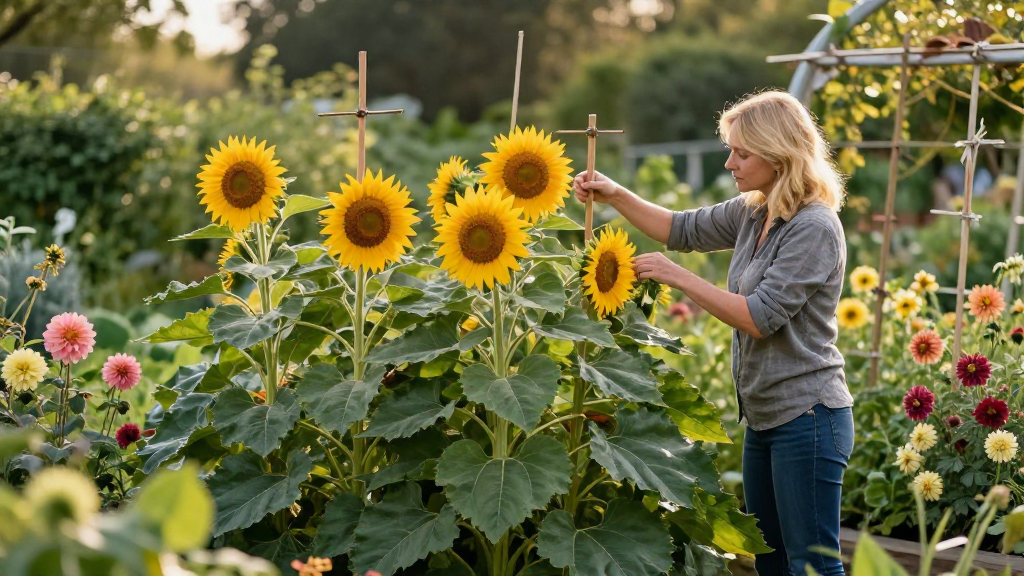
When it comes to gardening, you might often wonder how to support heavy plants to ensure they thrive and don’t topple over. Heavy plants can add beauty and depth to your garden, but they also require special care to support their growth and stability.
Why Do You Need to Support Heavy Plants?
Heavy plants, such as sunflowers, hollyhocks, and certain varieties of peonies, can easily become top-heavy, especially during windy weather or when laden with blooms. Supporting these plants is essential for several reasons:
- Preventing Damage: Heavy plants may break or bend if not adequately supported, leading to loss of the plant.
- Enhancing Aesthetics: A well-supported plant looks more organized and appealing in your garden.
- Promoting Healthy Growth: Proper support can improve air circulation and sunlight exposure, leading to healthier plants.
How To Identify Plants That Need Support?
Identifying which plants need support is crucial to ensuring your garden remains healthy and attractive. Here are some signs that a plant may need support:
- Top-Heavy Growth: If the plant has a large bloom or significant foliage on top, it may need support.
- Weak Stems: Plants with thin or weak stems are more likely to fall over.
- Wind Exposure: If your garden is prone to windy conditions, providing support can prevent damage.
- Rain Damage: Heavy rain can also cause plants to droop or bend, making support necessary.
What Types of Supports Are Available?
There are various methods for how to support heavy plants. Here are some popular options:
1. Stakes
Staking is a common way to support a single or small group of plants.
- Material: You can use bamboo, metal, or wooden stakes.
- How to Use: Insert the stake into the ground near the plant and gently tie the plant to the stake using soft ties to prevent damage.
2. Cages
Cages work best for plants that grow tall and bushy.
- Types: Tomato cages and wire cages provide lasting support.
- Installation: Place the cage around the plant early in the growing season to prevent disruption.
3. Trellises
Trellises are perfect for climbing plants or those that can be trained to grow vertically.
- Materials: Wood, metal, or plastic can be used for trellis construction.
- Benefits: They not only support the plant but also create vertical interest in your garden.
4. Ties and Twine
Ties and twine can be used for many types of plants needing additional stabilization.
- Soft Ties: Use soft materials to avoid damaging the plant’s stem.
- Technique: Gently wrap the tie around the plant and then secure it to a stake or fence.
5. Wire Supports
Wire supports can help manage trailing plants or bushes.
- Design: Use bent wire in a U-shape to create small fences for plants to grow through.
- Flexibility: Adjust the height as the plant grows.
When Should You Support Heavy Plants?
Timing is critical when considering how to support heavy plants. Here are essential tips:
- At Planting Time: Providing support when planting can help the plant establish a strong foundation, reducing the risk of damage later on.
- Before Blooming Season: Plan to improve support just before heavy blooms appear.
- During Storms: Add support before predicted storms or windy weather.
How to Maintain Supports for Your Heavy Plants?
Regular maintenance will ensure that your supports continue to function properly throughout the growing season.
- Inspect Regularly: Check for wear and tear on stakes, ties, and cages.
- Adjust as Needed: As plants grow, adjust supports to fit their changing size.
- Replace Damaged Supports: If any part of the support system is broken, replacing it promptly will keep the plant secure.
Are There Natural Ways to Support Heavy Plants?
If you’re looking for eco-friendly options, consider these natural methods:
- Plant Companions: Group strong plants together to provide natural support.
- Mulching: Adding mulch can stabilize the soil and help retain moisture, giving roots better support.
- Soil Quality: Enhancing soil quality with compost can promote stronger root growth, providing better support for heavy plant structures.
Conclusion: Supporting Heavy Plants for a Thriving Garden
Knowing how to support heavy plants effectively can make a significant difference in your gardening success.
By identifying the plants that require support, choosing the right methods of stabilization, and maintaining your supports throughout the growing season, you can ensure that your garden remains lush, organized, and healthy.
Support doesn’t only mean using physical structures; it also refers to understanding your plants’ needs and nurturing an environment where they can flourish.
So, as you cultivate your beautiful garden, always keep in mind the various ways to provide support, creating a thriving ecosystem for all your plants.