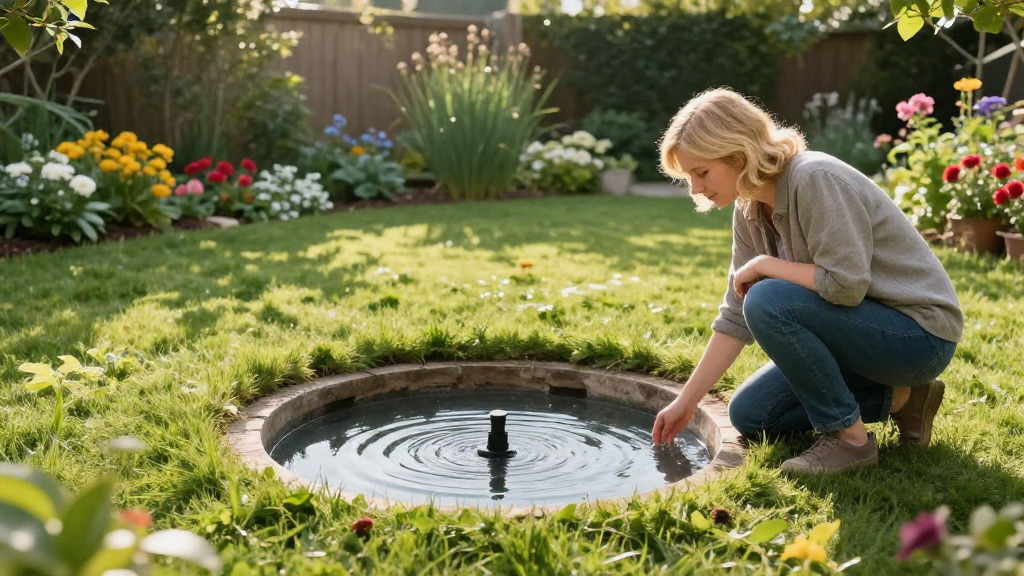
If you’re wondering how to test garden drainage in your yard, you’re in the right place.
Understanding your garden’s drainage system is crucial for maintaining healthy plant growth, as it directly affects root health and soil quality.
In this article, we will explore several effective methods to assess your garden drainage and present solutions to any issues you might encounter.
Why Is Good Drainage Important?
Before we delve into how to test garden drainage, it’s essential to understand the importance of having proper drainage in your yard.
Good drainage ensures that excess water:
- Doesn’t pool around plant roots, which can lead to rot and fungal infections.
- Is efficiently channeled away from your home’s foundation, preventing structural damage.
- Promotes air circulation in the soil, which is vital for healthy root development.
Now that we understand the significance, let’s learn how to test garden drainage in your yard.
What Are the Signs of Poor Drainage?
If you’re unsure about the drainage quality in your garden, look for these signs:
- Puddles of Water: If you see standing water after a rain, this is a clear indication of poor drainage.
- Soil Erosion: Water washing away soil can signify that it lacks proper drainage pathways.
- Stunted Plant Growth: If plants appear unhealthy or stunted, it may be due to excessive moisture in the soil.
Now that you’re aware of the signs, let’s learn how to test the drainage properly.
How to Test Garden Drainage with a Simple Drainage Test?
One of the easiest methods to assess how to test garden drainage is the drainage test, which is both quick and straightforward. Here’s how you can do it:
Materials Needed
- A shovel
- A tape measure or ruler
- Water hose or bucket
Steps to Follow
-
Dig a Hole: Use a shovel to dig a hole approximately 12 inches deep and 12 inches wide in the area where you suspect drainage problems.
-
Fill with Water: Fill the hole with water until it’s full, then mark the water level with a stick or pen.
-
Wait and Measure: After 24 hours, return to check the water level. Use your tape measure to see how much water has drained.
Evaluation
- Good Drainage: If more than 6 inches of water has drained within 24 hours, your drainage is likely adequate.
- Poor Drainage: If less than 6 inches has drained, your soil may require amendments or a drainage solution.
What Are Other Methods to Test Garden Drainage?
In addition to the drainage test, there are other ways to evaluate the drainage conditions in your garden:
1. The Soil Percolation Test
Similar to the drainage test, but with a different focus, the soil percolation test provides insights into how water moves through your soil.
Steps to Conduct:
- Dig several holes (12 inches deep) around the area.
- Fill each hole with water and note the time it takes for the water to drain.
What to Look For:
- Rapid Drainage: Water clears within a few hours.
- Slow Drainage: If it takes more than 24 hours, your soil may have poor drainage.
2. The Soil Texture Test
Soil texture can significantly influence drainage.
To assess this, take a handful of soil and follow these steps:
- Moisten the Soil: Add a little water to form a ball.
- Squeeze the Ball: If it holds together, you may have clay soil, which drains poorly.
- Examine the Texture: Sandy soil will crumble easily, indicating good drainage.
3. Observe During Rainfall
Another simple way to understand how to test garden drainage is by simply observing your garden during rainfall.
- Check for Water Flow: Notice where water collects and flows.
- Look for Erosion: Examine if any soil is washing away, indicating inadequate drainage.
What Can You Do to Improve Garden Drainage?
If you’ve discovered that your garden has poor drainage through your tests, don’t fret. There are steps you can take to improve it:
1. Amend the Soil
- Add Organic Matter: Incorporate compost or well-rotted manure to improve soil structure and drainage.
- Use Perlite or Sand: Mixing these materials into the soil can help create air pockets and enhance drainage.
2. Install a French Drain
For more severe drainage issues, consider installing a French drain.
This consists of a trench filled with gravel or rock that directs water away from your garden.
3. Create Raised Beds
Raised garden beds can also alleviate drainage issues.
They lift plant roots above potential standing water and promote better air circulation.
4. Check Your Plants
Some plants naturally adapt to wet conditions, while others prefer dryer soil:
- Choose DRY-LOVING Plants: To ensure that your garden remains healthy, it’s essential to select plants suited for your drainage conditions.
When Should You Consider Professional Help?
If your how to test garden drainage results continue to suggest major drainage issues, you might want to consider hiring a professional landscaper or drainage specialist.
They can provide tailored solutions such as:
- Realigning or modifying the slope of your yard.
- Installing drainage systems tailored to your property.
- Evaluating soil conditions and recommending further amendments.
Conclusion
Now that you know how to test garden drainage, you have the tools to evaluate and improve your garden’s health!
Checking your yard for drainage issues can save you from future headaches and ensure your plants thrive.
Remember to look for key signs of poor drainage, perform the necessary tests, and not hesitate to make needed amendments or consult professionals if needed.
Whether your garden is flourishing or struggling, proper drainage management is vital.
By understanding how to assess and improve your drainage system, you’re one step closer to a healthy and vibrant garden. Happy gardening!