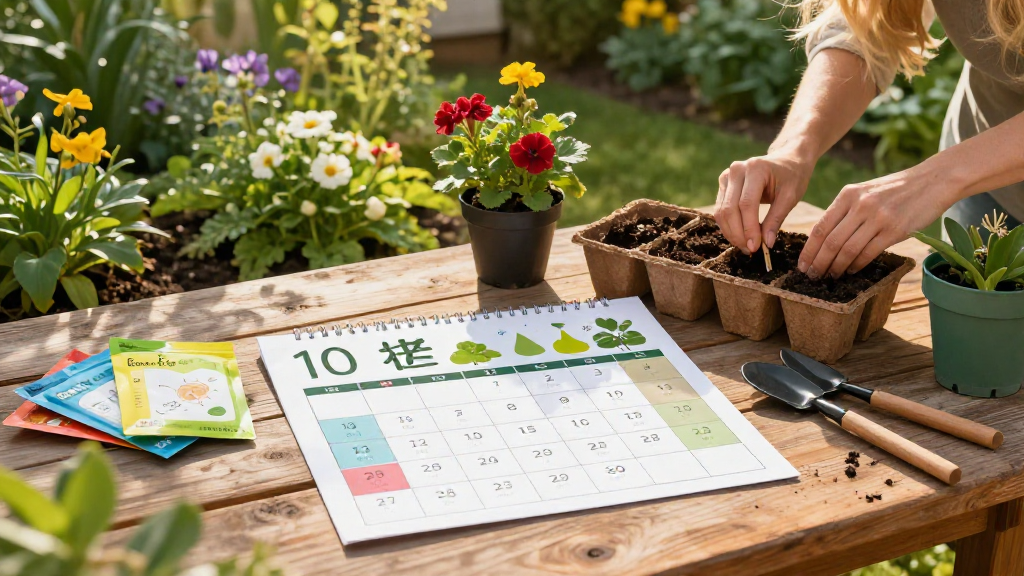
If you’re looking to maximize your gardening efforts, understanding how to use a garden calendar can help you achieve a thriving garden.
What Is a Garden Calendar?
A garden calendar is a tool used by gardeners to keep track of planting dates, harvest times, and important seasonal tasks.
It helps you plan when to sow seeds, transplant young plants, and cultivate your garden.
Whether you’re a novice or an experienced gardener, knowing how to use a garden calendar can streamline your gardening process.
Why Should You Use a Garden Calendar?
Using a garden calendar offers numerous benefits, especially for those passionate about growing their own food. Here are a few compelling reasons:
-
Improved Timing: Knowing the right time to plant crops ensures better growth and yield.
-
Seasonal Awareness: A garden calendar helps you stay aware of seasonal changes affecting your garden.
-
Avoiding Mistakes: With a clear plan, you can avoid planting too early or too late, thus maximizing your success.
-
Crop Rotation: You can document what was planted where, aiding in crop rotation and soil health.
Understanding how to use a garden calendar can turn your gardening dreams into reality.
How Do You Create a Garden Calendar?
Creating a garden calendar may seem daunting, but it can be a fun and rewarding process. Here’s how to get started:
-
Choose Your Format: Decide whether you’d prefer a digital garden calendar or a physical one.
-
Identify Your Growing Zone: Knowing your USDA hardiness zone helps you make informed decisions about when to plant.
-
Research Planting Dates: Look up planting dates for various crops suited for your climate, including:
- Vegetables
- Flowers
- Herbs
- Mark Events: Plan for events such as:
- Fertilizing
- Watering schedules
- Pest control measures
- Track Progress: Dedicate sections for notes on plant growth and changes in conditions.
When Is the Best Time to Plan Your Garden Calendar?
In establishing how to use a garden calendar effectively, timing is essential. Here’s a breakdown of when to start:
Before Spring
Before the cold weather thaws, create your garden calendar:
- Determine what you want to grow.
- Assess the last frost date in your area.
Spring Planting Season
As spring approaches, it’s time to get busy:
- Start seeds indoors if needed.
- Mark down when to transplant seedlings outdoors.
During Growing Season
Throughout the growing season, remember to:
- Update your garden calendar with notes on growth progress.
- Reassess your planting dates for any late-season crops.
End of Season
As the season winds down, don’t forget to:
- Plan your fall planting and winter preparations.
- Assess your successes and mistakes for next year’s calendar.
What Should You Include in Your Garden Calendar?
When organizing how to use a garden calendar, consider including the following essential elements:
-
Plant Types: Name the crops and flowers you plan to grow.
-
Planting Dates: Clearly mark when each type should be sown or transplanted.
-
Maintenance Tasks: Schedule regular tasks such as watering, weeding, and pruning.
-
Harvest Dates: Document when you expect a crop to mature for harvest.
-
Soil Preparation: Note when to enrich the soil or test its pH levels.
-
Pest Control Strategies: Keep a space for pest monitoring and prevention methods.
How Can You Use Technology to Enhance Your Garden Calendar?
In today’s digital world, you can leverage technology to simplify how to use a garden calendar. Here are some tools and apps to consider:
-
Gardening Apps: Apps like Gardenize and Planter allow you to maintain a digital garden journal.
-
Online Planting Guides: Websites like Garden.org provide customizable planting schedules based on your zip code.
-
Calendar Apps: Use Google Calendar or Apple Calendar to set reminders for planting and maintenance tasks.
Benefits of Digital Tools
-
Convenience: Access your garden calendar from anywhere.
-
Reminders: Set automated alerts for gardening tasks.
-
Images and Progress Tracking: Capture photos of growth and progress over time.
Tips for Successfully Using Your Garden Calendar
To ensure you’re getting the most out of your garden calendar, keep these tips in mind:
-
Be Flexible: Sometimes weather conditions will dictate changes to your planting schedule. Adjust your entries accordingly.
-
Document Everything: Keep your notes detailed. Include observations about plant performance and any changes in growth habits.
-
Engage with Fellow Gardeners: Share your garden calendar with friends or local gardening clubs. Exchange tips and learn from each other.
-
Reflect Annually: At the end of each growing season, review what worked and what didn’t. Use these insights to improve your calendar for next year.
Conclusion: Grow with a Garden Calendar
Understanding how to use a garden calendar is essential for any gardener looking to optimize their planting efforts.
From tracking planting times to documenting maintenance schedules, a garden calendar can help you stay organized and ensure a successful growing season.
Whether you opt for a traditional paper calendar or a high-tech digital version, taking the time to create and maintain your garden calendar can yield a fruitful harvest.
With proper planning and dedication, your experience with planting will thrive like never before. Happy gardening!