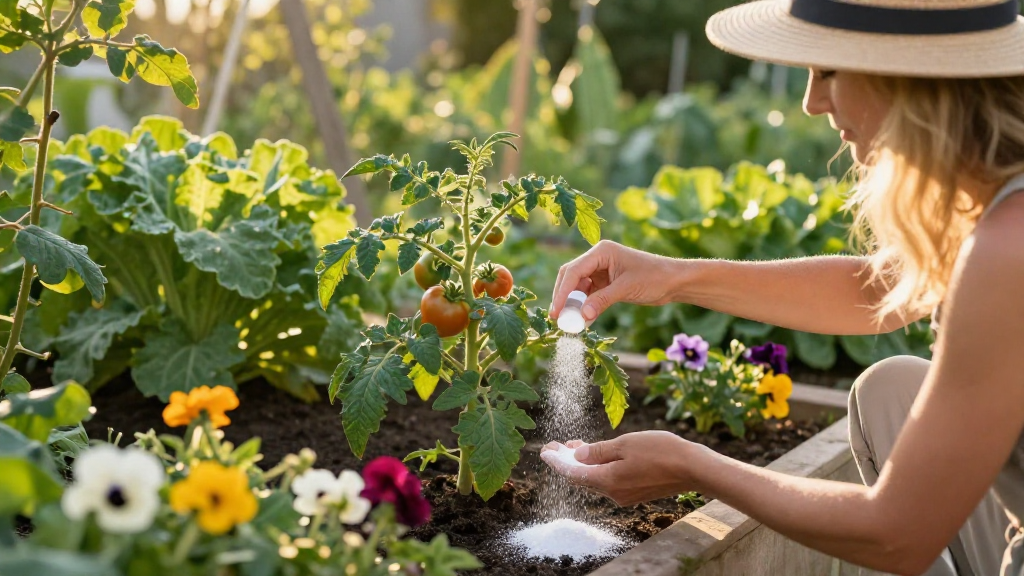
Are you looking for a natural remedy to safeguard your plants from pesky fungus? Let’s explore how to use baking soda in the garden effectively.
Why Is Fungus a Concern in the Garden?
Fungus can wreak havoc on your garden.
It can lead to diseases that affect the health of your plants, such as:
- Powdery mildew
- Black spot
- Rust
- Downy mildew
These diseases not only diminish the plants’ aesthetics but also stunt growth and reduce yield.
How Does Baking Soda Help in the Garden?
Now that you understand the threat of fungus, you might be wondering how to use baking soda in the garden to combat these issues.
Baking soda, or sodium bicarbonate, is an active ingredient that can help manage fungal diseases effectively due to its fungicidal properties.
Here’s how it works:
- Alkaline Nature: Baking soda creates an alkaline environment that disrupts fungal growth.
- Non-toxic: It’s safe for most plants and environmentally friendly.
- Cost-effective: Baking soda is an affordable option compared to commercial fungicides.
How to Use Baking Soda in the Garden?
So, how to use baking soda in the garden? Here’s a simple step-by-step guide to effectively harness its potential against fungal ailments:
1. Prepare a Baking Soda Solution
Start by creating a baking soda solution.
Ingredients needed:
- 1 tablespoon of baking soda
- 1 tablespoon of vegetable oil (acts as a sticker)
- 2 liters of water
Instructions:
-
Mix: In a bucket, combine the baking soda, vegetable oil, and water.
-
Shake: Stir the mixture until the baking soda is dissolved fully.
Tip: Transfer the solution into a spray bottle for easy application.
2. Select the Right Time for Application
Timing plays a crucial role when you apply the baking soda mixture.
Here’s what to consider:
-
Early Morning or Late Afternoon: Avoid applying during the hottest part of the day. The sun can cause the solution to evaporate quickly.
-
Dry Days: Ensure to use the solution on dry days, as excess moisture can dilute its effectiveness.
3. Spray on Affected Foliage
To utilize baking soda effectively, follow these steps:
-
Identify Affected Areas: Look for signs of fungus on leaves, stems, or flowers.
-
Spray Generously: Use the spray bottle to generously coat the affected areas.
-
Repeat: Reapply every 7-14 days or after any rainfall to maintain its efficacy.
4. Monitor Your Plants’ Response
After applying the baking soda solution, monitor your plants closely.
Here’s what to observe:
-
Reduction in Fungus: Look for a decrease in fungal patches.
-
Plant Health: Check for any signs of improvement in overall plant health.
What Other Garden Problems Can Baking Soda Solve?
Learning how to use baking soda in the garden is beneficial not only for combating fungus but also for tackling other challenges:
1. Pest Control
Baking soda can deter some pests as well:
- Sprinkling it on plants can act as a natural pest repellent.
2. pH Level Balance
If the soil is too acidic, baking soda can help:
- Test the soil’s pH first. If it’s lower than 6.0, mix baking soda into the soil to increase alkalinity.
3. Weed Management
Weeds are often a nuisance in gardens.
Baking soda can serve as a natural weed killer:
- Sprinkle a thin layer directly on weed patches, avoiding desirable plants.
Are There Any Precautions to Consider?
While learning how to use baking soda in the garden can be quite beneficial, there are certain precautions you should keep in mind:
-
Test on a Small Area First: Before applying to your entire plant, test the solution on a small leaf.
-
Don’t Overuse: Excess baking soda can lead to plant stress. Always follow the recommended amounts.
-
Avoid Sensitive Plants: Some plants may be sensitive to baking soda. Use caution around newly planted or fragile species.
Conclusion: Baking Soda as a Natural Garden Solution
In conclusion, knowing how to use baking soda in the garden can empower you with a natural option for maintaining plant health.
Whether you are fighting against fungal diseases or managing other garden issues, baking soda could be the solution you need.
Its affordability, effectiveness, and environmental friendliness make it a staple in any gardener’s toolkit.
So, gather your supplies, prepare your baking soda solution, and enjoy the wonders of a thriving, fungus-free garden!