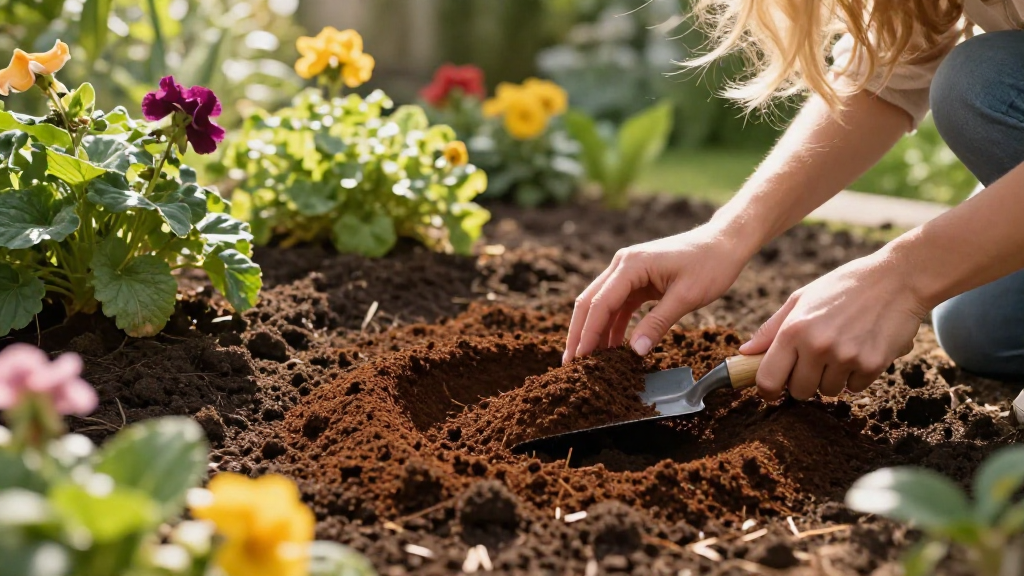
Wondering how to use coffee grounds in the garden? You’d be surprised at the myriad of benefits that this simple kitchen waste can bring to your garden.
What Are Coffee Grounds Good For?
Coffee grounds are not just a byproduct of your morning brew; they are a treasure trove of nutrients and organic materials that can benefit several aspects of your gardening efforts. Let’s explore together the various ways you can use them effectively.
1. How Can Coffee Grounds Benefit Soil Health?
Using coffee grounds in your garden can significantly improve soil health. Here’s how:
-
Nutrient-Rich: Coffee grounds are rich in nitrogen, phosphorus, potassium, and other essential nutrients that plants need to thrive.
-
Improves Soil Structure: When mixed into the soil, coffee grounds can enhance its structure, improve drainage, and promote microbial activity.
-
Acidity Balancing: While coffee grounds are slightly acidic, they can help in balancing the pH in alkaline soils when used appropriately.
2. How to Use Coffee Grounds as Fertilizer?
Wondering how to use coffee grounds in the garden as an effective fertilizer? It’s simpler than you might think!
-
Mix with Soil: Incorporate coffee grounds into the topsoil or mix them with your compost to enrich it with nitrogen.
-
Sprinkle on Garden Beds: Spread a thin layer of coffee grounds on your garden beds. Ensure not to overdo it, as excessive accumulation can lead to water repellent soil.
-
Diluted Liquid Fertilizer: Brew a “coffee grounds tea” by soaking the grounds in water. Allow it to steep, and then use the mixture to water your plants.
3. Can Coffee Grounds Help Your Compost?
Yes! Coffee grounds are an excellent addition to compost. Here’s why:
-
Brown Material Contribution: Coffee grounds are considered “green” materials, which contribute nitrogen to the compost pile, essential for a balanced decomposition process.
-
Creating Heat: The microbial activity sparked by coffee grounds helps heat up the compost pile, speeding up the decomposition.
-
Adding Bulk: Shredded coffee filters can also be added, which contributes carbon, aiding in the balance of carbon-to-nitrogen ratio.
4. How Can Coffee Grounds Deter Pests?
Did you know that coffee grounds can also help keep pests away? Here are some innovative ways:
-
Natural Pest Repellant: The strong aroma of coffee can deter common garden pests such as slugs and snails.
-
Barrier Method: Sprinkle coffee grounds around your plants as a barrier. It can disrupt the movement of pests and keep them away from your precious plants.
5. Are Coffee Grounds Beneficial for Specific Plants?
Absolutely! Some plants love coffee grounds more than others. Let’s look at a few examples:
-
Acid-Loving Plants: Blueberries, azaleas, and rhododendrons thrive when you mix coffee grounds into the soil.
-
Vegetables Like Carrots and Radishes: These root vegetables can benefit from coffee grounds, as they enhance soil texture.
-
Herbs: Rosemary and basil can also enjoy the benefits of nutrient-rich soil that coffee grounds provide.
6. How to Use Coffee Grounds for Mulching?
Mulching with coffee grounds can be easy and beneficial. Here’s a guide:
-
Layering: Mix coffee grounds with other types of mulch (such as bark or straw). This combination not only retains moisture but also provides nutrients as it breaks down.
-
Protecting Roots: Spread a thin layer around the base of your plants to protect their roots from extreme temperatures.
7. Can Coffee Grounds Help With Odor Control?
Yes! Coffee grounds have odor-neutralizing properties that can help in gardening.
-
Composting Smell Reduction: Adding coffee grounds to your compost pile can reduce unpleasant odors.
-
Around Trash Containers: Sprinkle used coffee grounds around your outdoor compost bin or garden to neutralize odors.
8. How to Store Coffee Grounds for Later Use?
Proper storage is essential to keep the nutrients intact. Here’s the best way to do it:
-
Drying: Spread out the used coffee grounds on a baking tray and let them dry in a cool, dark place. This prevents mold growth.
-
Airtight Container: Once dry, store them in an airtight container or a resealable bag to maintain their freshness.
9. Any Considerations When Using Coffee Grounds in the Garden?
While how to use coffee grounds in the garden can yield many benefits, some precautions are necessary.
-
Moderation is Key: Use coffee grounds sparingly to avoid overwhelming your soil with nitrogen.
-
Acidity Caution: Be cautious when adding coffee grounds to alkaline soils, as too much acidity can affect sensitive plants.
-
Awareness of Caffeine: Remember that caffeine can inhibit plant growth, so it’s essential to compost the grounds before applying them directly to the soil.
Conclusion
Incorporating used coffee grounds into your garden can provide numerous benefits, from enriching the soil to acting as a natural pest deterrent.
Now that you know how to use coffee grounds in the garden effectively, try various methods, and see what works best for your plants.
Your garden will thank you for this little addition from your kitchen! Happy gardening!