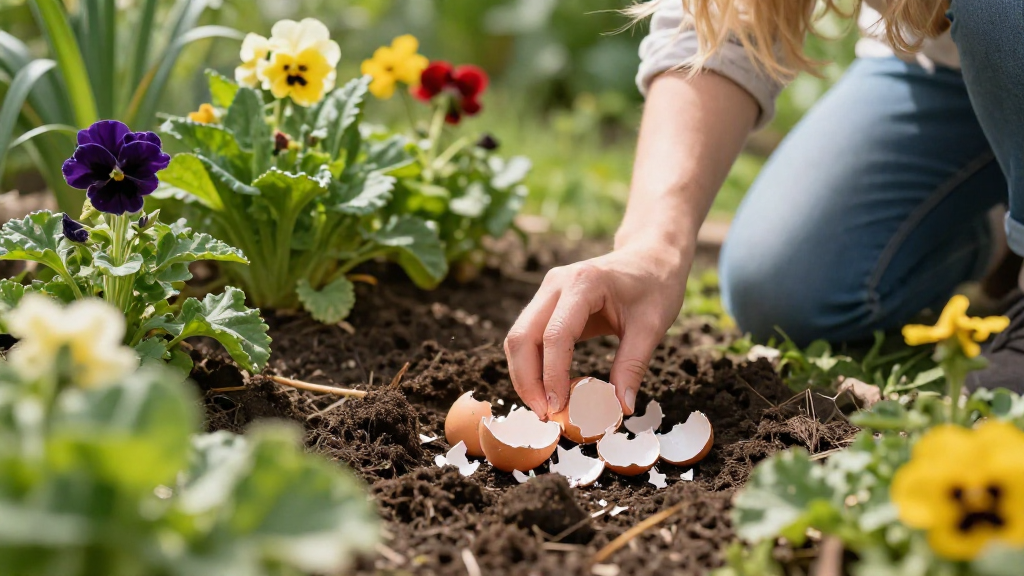
Are you looking for a natural way to enhance your garden’s soil? Look no further! In this article, we’ll explore how to use eggshells in the garden to provide calcium, improve plant growth, and enrich the soil.
Why Should You Use Eggshells in the Garden?
Eggshells are not just a kitchen waste item; they are incredibly beneficial for your garden. Here’s why you should consider adding them to your gardening routine:
-
Rich in Calcium: Eggshells are composed of about 95% calcium carbonate, a vital nutrient that strengthens plant cell walls and promotes healthy growth.
-
Soil Improvement: Crushed eggshells help to aerate the soil while improving its drainage. They can help prevent soil compaction, ensuring your plants have the best environment to thrive.
-
Pest Deterrent: The sharp edges of crushed eggshells can deter soft-bodied pests like slugs and snails, providing an extra line of defense for your plants.
-
Sustainability: Using eggshells is an eco-friendly way to recycle kitchen waste, reducing landfill contributions while benefiting your garden.
How Should You Prepare Eggshells for the Garden?
Now that you know the benefits, let’s dive into how to use eggshells in the garden effectively.
Step 1: Rinse and Dry
After using eggs in your cooking, don’t throw away the shells right away!
-
Rinse: Thoroughly rinse the eggshells to remove any egg residue. This will prevent unwanted odors and discouraging pests.
-
Dry: Allow them to dry completely. You can leave them in a sunny spot or place them in a low-heat oven for about 10 minutes.
Step 2: Crush into Small Pieces
Once the eggshells are dry:
-
Use a mortar and pestle or a food processor to crush them into small pieces or powder.
-
Aim for a consistency similar to coarse sand. Smaller particles will break down more quickly in the soil.
Step 3: Time to Use Them!
So, how to use eggshells in the garden? Here are several effective methods:
-
Soil Amendment: Mix crushed eggshells directly into your garden soil. This will gradually release calcium as they break down, enriching the soil over time.
-
Compost: Add crushed eggshells to your compost pile. They will contribute calcium and improve the nutrient content of your compost, which can be used to fertilize your garden later.
-
Seed Starters: Use eggshells as biodegradable seed starters. Fill the half-shells with soil, plant your seeds, and keep them moist. When ready to transplant, place the entire shell into the ground.
-
Around Plants: Scatter crushed eggshells around the base of your plants. This will provide a slow-release source of calcium and help deter pests.
When Should You Use Eggshells in the Garden?
To maximize the benefits of using eggshells, consider the timing:
-
Spring: Incorporate eggshells into the soil before planting your spring crops. This will ensure that calcium is available for young plants as they grow.
-
During the Growing Season: For plants that require additional calcium, like tomatoes and peppers, add eggshells throughout the growing season.
-
Fall: Before the winter, add eggshells to the soil as it will enrich it for the following year’s growth.
Which Plants Benefit from Eggshells?
Many plants thrive with the addition of eggshells in their care. Here are some popular options:
-
Tomatoes: Calcium from eggshells can help prevent blossom end rot, a common issue in tomato plants.
-
Peppers: Like tomatoes, peppers benefit from calcium, improving fruit quality and overall growth.
-
Cabbage Family: Cauliflower, broccoli, and other Brassicas greatly appreciate the calcium boost for stronger cell walls.
-
Any Calcium-Dependent Plants: Most plants benefit from calcium, so feel free to add eggshells to various plants throughout your garden.
Are There Any Precautions When Using Eggshells?
While using eggshells is generally safe, here are a few precautions to consider:
-
Limit Usage: Don’t overdo it. While calcium is essential, too much can lead to imbalanced soil nutrient levels. Use in moderation for the best results.
-
Crushed Properly: Ensure that your eggshells are adequately crushed. Whole or large pieces might take too long to decompose and won’t contribute to the garden soil as efficiently.
-
Quality Control: Only use clean eggshells. Shells that trace back to old or spoiled eggs can harbor bacteria, which you want to avoid.
How Effective Are Eggshells for Calcium?
You might wonder, how effective are eggshells for calcium in your garden?
Research shows that when used properly, eggshells release calcium at a slow but steady rate, making it available for plant roots as they need it.
While eggshells alone are not a complete fertilizer, they complement other organic material and fertilizers you may use in your garden.
-
Combining with Other Nutrients: Consider pairing eggshells with other organic matter like compost, which can provide a broader range of nutrients.
-
Testing Soil: If you’re unsure about naturally adding eggshells, you might want to conduct a soil test. This will inform you of existing nutrient levels and help determine the right amount of calcium needed.
Conclusion: Enrich Your Garden Naturally
By applying these techniques, you can successfully discover how to use eggshells in the garden for calcium. Not only will you be recycling kitchen waste, but you will also be enhancing your plants’ growth and overall health.
With a little effort and creativity, eggshells can play a significant role in promoting a flourishing garden!
So, the next time you crack an egg, save those shells and start nurturing your garden with the goodness they provide!