Are you wondering how to use garden lime to improve your soil quality?
Balancing soil pH is crucial for healthy plant growth, and garden lime can play a significant role in this process.
In this article, we will explore how to use garden lime effectively, why pH levels matter, and tips for applying it correctly to reap the maximum benefits for your garden.
What is Garden Lime and Why is it Important?
Garden lime, also known as agricultural lime or calcitic lime, is primarily composed of calcium carbonate.
This natural product is used to amend soil acidity levels.
High soil acidity can lead to poor plant growth and nutrient deficiencies.
Lowering the acidity (raising the pH) creates a more favorable environment for plant roots to absorb nutrients effectively, thereby enhancing overall garden health.
How Does Soil pH Affect Plant Growth?
Understanding soil pH is crucial.
Soil pH directly impacts:
- Nutrient Availability: Certain nutrients become less available to plants at low pH levels, affecting their growth and health.
- Microbial Activity: Beneficial microorganisms thrive in neutral to slightly alkaline soils, helping break down organic matter and releasing nutrients.
- Root Development: A suitable pH level encourages robust root systems, allowing plants to access the water and nutrients they need for survival.
By learning how to use garden lime, you can optimize these soil properties to support thriving plant life.
How Will I Know if I Need Garden Lime?
There are a few methods to determine your soil’s pH level.
-
Soil Test Kits: Purchase a home soil test kit from your local garden center or online. These kits are easy to use and provide immediate results.
-
Professional Testing: For a more accurate analysis, send a soil sample to a testing lab. They can provide a comprehensive report on your soil’s nutrient content and pH levels.
-
Signs of Soil Acidity: Look for symptoms such as:
– Yellowing of leaves
– Poor fruit and flower production
– Stunted growth
If your soil pH test indicates acidity levels below 6.0, it’s time to consider how to use garden lime to amend your soil.
How to Use Garden Lime: The Step-by-Step Process
Now that you understand the importance of garden lime and know when to use it, let’s dive into how to use garden lime effectively:
Step 1: Choose the Right Type of Lime
There are two primary types of lime that gardeners typically use:
- Calcitic Lime: High in calcium; ideal for raising pH without adding magnesium.
- Dolomitic Lime: Contains both calcium and magnesium; suitable for magnesium-deficient soils.
Choose the type that best suits your garden’s needs.
Step 2: Measure Your Garden Area
Calculate the square footage of the area you plan to amend.
This will help you determine the amount of garden lime needed.
As a general guideline:
- For lawns: Use 5 to 10 pounds of garden lime for every 100 square feet.
- For garden beds: Use 15 to 20 pounds per 100 square feet.
Step 3: Apply Garden Lime
To apply garden lime effectively:
- Break the Lime Down: If using pelletized lime, break it down further using a lawn spreader for even distribution.
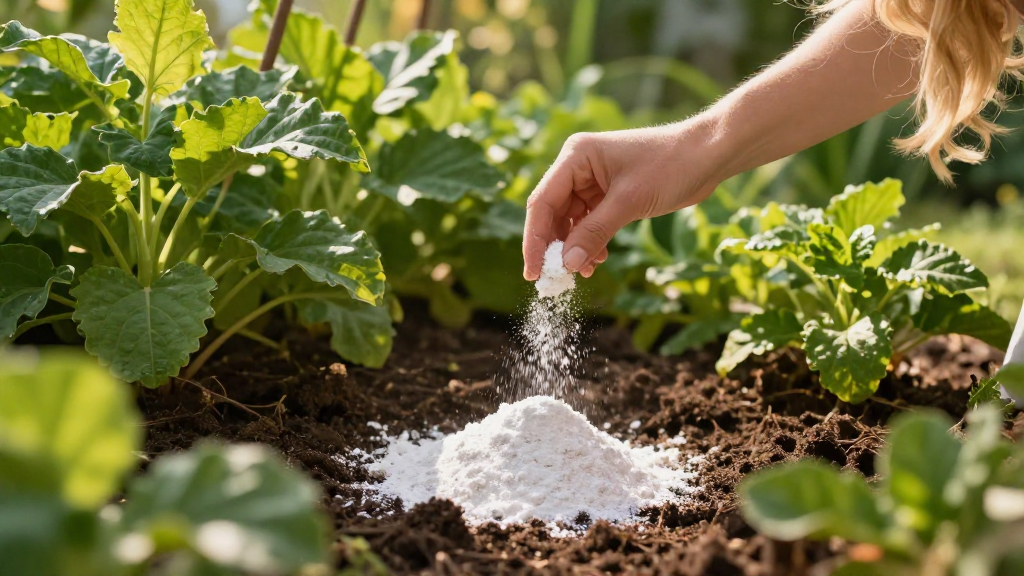
- Distribute Evenly: Spread the required amount of lime over the soil surface.
- Incorporate into the Soil: Use a rake or tiller to incorporate the lime into the top 6 inches of soil. This will ensure even mixing and maximize effectiveness.
Step 4: Water the Area
After application, water the treated area thoroughly.
This helps activate the lime and facilitates the balance of soil pH.
Step 5: Retest Soil pH
After a few months, it’s advisable to retest your soil’s pH.
This confirms whether the lime application has successfully raised the pH to safer levels for plant growth.
How Often Should I Use Garden Lime?
While some gardeners may only need to apply garden lime once every few years, it can depend on several factors:
-
Soil Type: Sandy soils tend to leach nutrients and acids more quickly than clay soils, requiring more frequent applications.
-
Plants: Different plants may have varying tolerance to soil acidity. If you regularly grow plants that prefer neutral to alkaline soils, consider retesting and reapplying more often.
-
Organic Matter: Adding compost and other organic materials can help buffer soil pH naturally. Regular testing can help you maintain balance.
Are There Any Alternatives to Garden Lime?
If you’re looking for alternatives to how to use garden lime, consider these options:
-
Wood Ash: Contains potassium, calcium, and magnesium; can raise soil pH but use in moderation.
-
Baking Soda: Can be used for small areas to temporarily boost pH.
-
Gypsum: Primarily adds calcium without affecting pH directly; useful for clay soils.
Always ensure you test soil regularly, even when using alternative methods, to maintain proper balance.
Conclusion:
Knowing how to use garden lime can be a game-changer for your garden.
By following the steps outlined in this article, you can effectively balance your soil pH, improve nutrient availability, and promote healthier plants.
Remember to:
- Test your soil regularly.
- Carefully follow application guidelines.
- Monitor the changes in your plants.
With the right approach, your garden will flourish, and you’ll enjoy the fruits (and vegetables) of your labor!