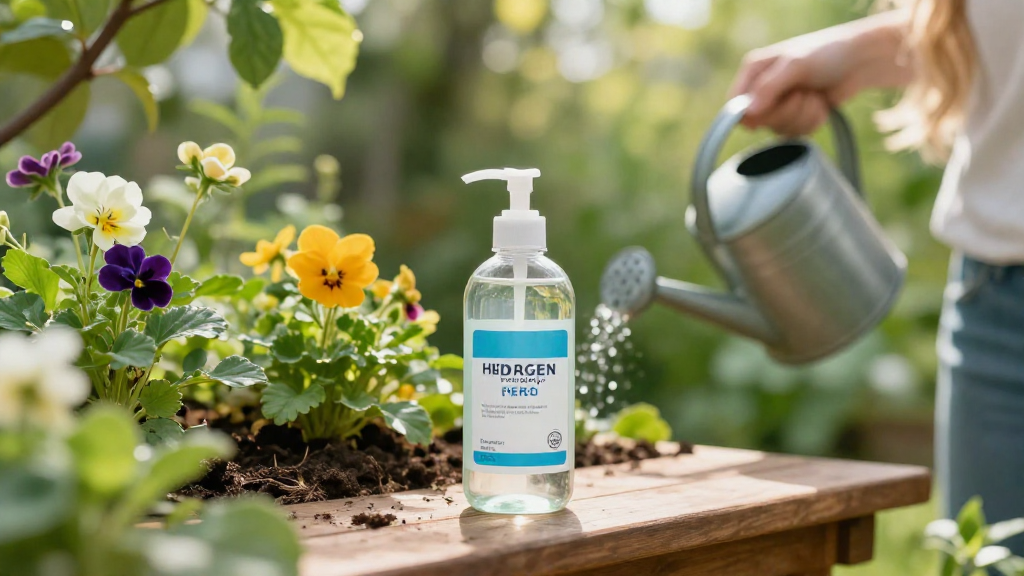
When it comes to sustainable gardening practices, many gardeners wonder how to use hydrogen peroxide in the garden effectively and safely. This versatile compound offers several benefits that can enhance plant health, improve soil quality, and combat pests naturally.
What is Hydrogen Peroxide and Why Use It in the Garden?
Hydrogen peroxide (H2O2) is a powerful oxidizing agent commonly found in households.
It’s known for its disinfectant properties and its ability to serve as a natural alternative to chemical pesticides. Here are some reasons why you might consider using hydrogen peroxide in your garden:
- Fungicide: It can help control mold and mildew.
- Bactericide: Effective against harmful bacteria that harm plants.
- Oxygen Source: It breaks down into water and oxygen, enriching the soil.
- Root Health: Helps with seed germination and root health.
In this guide, we will explore various applications, concentrations, and safety measures when learning how to use hydrogen peroxide in the garden.
How Do You Prepare Hydrogen Peroxide Solutions for Your Garden?
Before using hydrogen peroxide in your garden, it’s important to prepare the right concentration for your intended use.
Most commonly, 3% hydrogen peroxide is available in stores, which is safe to use around plants.
Here’s how you can prepare solutions for different applications:
1. For Disinfecting Tools
- Mix 1 part hydrogen peroxide with 10 parts water.
- Soak your tools for about 10 minutes.
- Rinse and allow to dry before using.
2. For Soil Treatment
- Combine 1 cup of 3% hydrogen peroxide with 1 gallon of water.
- Water the soil with this solution to help eliminate harmful bacteria and fungus.
3. For Foliar Spray
- Dilute 1 tablespoon of 3% hydrogen peroxide in 1 cup of water.
- Spray affected leaves to combat mildew or unwanted pests.
When and How Often Should You Use Hydrogen Peroxide in the Garden?
Understanding when and how often to use hydrogen peroxide is crucial to maximizing its benefits:
- Seed Germination: Use the soil treatment once before planting seeds.
- Weekly Maintenance: For general plant health, apply the foliar spray every 7-10 days.
- Tool Disinfection: Clean your gardening tools before and after each use, particularly if they come into contact with diseased plants.
How Does Hydrogen Peroxide Help with Pest Control?
Hydrogen peroxide can aid in managing pests naturally and effectively.
Here’s how you can utilize it for pest control:
1. Aphid Deterrent
- Solution: Mix 1 tablespoon of hydrogen peroxide in 1 quart of water.
- Application: Spray directly on plants infested with aphids or similar pests.
2. Fungal Infections
- Prevention: Regularly spray a diluted solution before symptoms appear.
- Cure: For existing infections, apply every few days until the problem subsides.
3. Soil Pests
- Application: Water the soil with a diluted solution to combat larvae or other soil-dwelling pests.
Are There Any Risks in Using Hydrogen Peroxide in the Garden?
While hydrogen peroxide is a powerful garden tool, there are a few precautions to consider to use it safely:
- Plant Sensitivity: Some plants may be sensitive to hydrogen peroxide, so it’s best to test a small area first.
- Use Proper Concentrations: Do not exceed the recommended concentrations, as it may harm beneficial organisms in the soil.
- Avoid Direct Sunlight: Apply during cooler parts of the day to prevent the solution from evaporating before it takes effect.
What Should You Keep in Mind When Using Hydrogen Peroxide in the Garden?
When considering how to use hydrogen peroxide in the garden, keep in mind the following practical tips:
- Label Your Solutions: Always label your mixtures to avoid confusion and misuse.
- Store Safely: Keep hydrogen peroxide away from direct sunlight and out of reach of children or pets.
Where Can You Find Hydrogen Peroxide?
Hydrogen peroxide is readily available:
- Farm and Garden Stores: Often sold in larger quantities for agricultural use.
- Grocery Stores: Usually found in pharmacy or cleaning sections.
- Online Retailers: Various concentrations are available for both household and gardening purposes.
Conclusion: How to Use Hydrogen Peroxide in the Garden Effectively
In conclusion, understanding how to use hydrogen peroxide in the garden can benefit both your plants and your overall gardening practices.
By effectively using hydrogen peroxide, you can combat pests, enhance soil health, and improve plant vitality.
Remember to always take safety precautions, prepare solutions properly, and apply them consistently for the greatest results.
With thoughtful application, hydrogen peroxide could become an invaluable ally in your gardening toolkit.
Happy gardening!