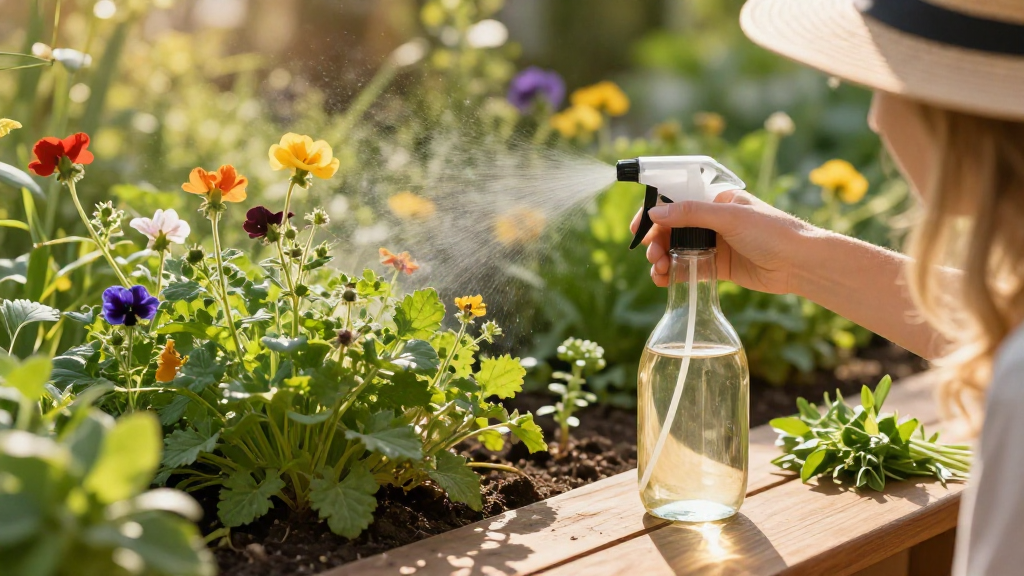
Vinegar is not just a kitchen staple; it is a versatile agent in the garden.
In this article, we will explore how to use vinegar in the garden specifically for tackling pesky weeds.
Vinegar can be an effective, eco-friendly, and affordable solution for weed control.
What Type of Vinegar Should You Use?
The first step in how to use vinegar in the garden is determining the right type.
Types of Vinegar
- White Vinegar: This is the most common type, usually containing about 5% acetic acid.
- Apple Cider Vinegar: With its 5-6% acetic acid concentration, it’s also effective but tends to be more expensive.
- Household Cleaning Vinegar: This type comes with a higher acetic acid content (20%), making it more potent against weeds but should be used with caution due to its strength.
For general weed control, white vinegar is the most recommended.
What Weeds Can Vinegar Control?
Now that you know what type of vinegar to use, let’s delve into how to use vinegar in the garden effectively.
Effective on Various Weeds
Vinegar works particularly well on:
- Annual Weeds: Plants like crabgrass and dandelions that germinate in spring.
- Perennial Weeds: More robust plants like bindweed.
- Noxious Weeds: Such as thistles and clover.
While vinegar can damage the leaves and stems, it’s essential to note that it may not eliminate deep-rooted weeds.
How to Apply Vinegar for Maximum Effectiveness
Applying vinegar correctly is crucial.
Here’s how to use vinegar in the garden effectively:
Step-by-Step Application
-
Choose a Warm Day: Aim for a sunny day with no rain in the forecast, as sunlight increases efficacy.
-
Select the Right Concentration: Use a solution of 10-20% acetic acid for stubborn weeds; otherwise, 5% is sufficient.
-
Gather Your Equipment:
– Spray bottle or garden sprayer
– Protective gloves and goggles (for high concentrations)
– A funnel (if needed) -
Spray Directly on Weeds:
– Target the leaves and stems fully.
– Avoid overspray on desirable plants to prevent damage. -
Monitor the Results: Most weeds should begin to wilt within a few hours.
To enhance the effectiveness, consider mixing vinegar with salt or dish soap.
Adding Salt or Soap
-
Salt: Mix 1 cup of salt with 1 gallon of vinegar for added desiccation on the weeds.
-
Dish Soap: Adding a few drops can help the vinegar adhere better to plant surfaces for increased penetration.
Are There Any Precautions to Take?
While using vinegar is a natural way to manage weeds, there are some precautions.
Precautions When Using Vinegar
-
Use Sparingly: Excessive application can harm soil health and beneficial microbes.
-
Avoid Nearby Plants: Vinegar is non-selective; avoid spraying on desirable plants.
-
Protective Gear: High concentrations can irritate skin and eyes; use gloves and goggles.
Can Vinegar Kill Root Systems?
A common question pertains to whether vinegar can effectively kill the root systems of weeds.
Vinegar’s Effect on Roots
Vinegar can kill above-ground plant tissues but may not always destroy the roots.
For deep-rooted weeds, consider supplemental methods such as:
-
Hand Pulling: Combine vinegar with manual removal for best results.
-
Mulching Offerings: Apply a layer of mulch to prevent weed regrowth after treatment.
When to Reapply Vinegar
After your initial application, you might wonder how often to reapply vinegar.
Recommendations for Reapplication
- Follow-up: Check every few days after the initial application.
- Repeat As Needed: If weeds show signs of recovery, a reapplication may be warranted.
For persistent weeds, consider alternative control methods alongside vinegar.
Can Vinegar Help with Other Issues in the Garden?
Beyond weed control, vinegar has other applications that can benefit your garden.
Additional Uses for Vinegar
-
Soil pH Adjustment: Vinegar can be used to lower soil pH levels for acid-loving plants.
-
Pest Control: Mix vinegar with water to deter pests like ants and aphids.
-
Fungal Treatment: Vinegar can help combat fungal infections when diluted with water.
By utilizing vinegar for a variety of applications, you can optimize your garden’s health.
Conclusion: How to Use Vinegar in the Garden
In summary, understanding how to use vinegar in the garden can lead to effective weed management and other benefits for your plants.
Vinegar is a valuable tool for organic gardening.
By choosing the right type, following proper application methods, and taking necessary precautions, you can maintain a healthy and thriving garden ecosystem.
Remember to always monitor the results and adapt your strategies for the best outcomes.
Feel free to combine vinegar use with other gardening techniques for a holistic approach to pest and weed control.
Happy gardening, and may your gardens grow lush and vibrant!