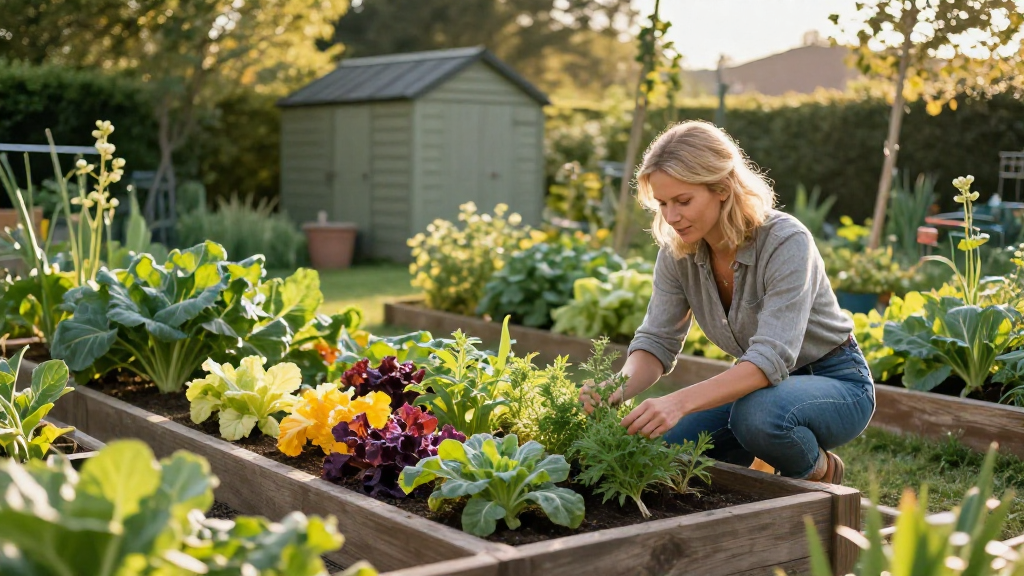
If you’re wondering how to garden with limited time, you’re in the right place!
In our busy lives, making time for gardening can be challenging.
However, with some smart strategies, you can cultivate a beautiful and productive garden even with a packed schedule.
What Are the Best Time-Saving Gardening Techniques?
When considering how to garden with limited time, it’s essential to focus on efficient techniques.
Here are some effective strategies:
-
Plan Ahead
– Create a seasonal gardening calendar.
– If you know what you want to grow, prepare your planting schedule in advance. -
Choose Low-Maintenance Plants
– Select perennial plants that require less upkeep.
– Consider drought-resistant varieties that need less watering. -
Use Raised Beds
– Raised garden beds can be easier to manage.
– They improve drainage and keep weeds down, saving you time. -
Employ Mulching
– Apply a thick layer of mulch to retain moisture and suppress weeds.
– This minimizes the time spent on watering and weeding. -
Utilize Container Gardening
– Container gardening allows for easier mobility and rearrangement.
– It can be very efficient for urban environments or limited spaces. -
Set Up a Drip Irrigation System
– Automate your watering with a drip irrigation system to save time daily.
– Ensure your plants get consistent moisture without manual effort.
When Should I Garden for Maximum Efficiency?
Timing can significantly impact your gardening success.
By understanding how to garden with limited time, you can make the most of your efforts.
Best Times for Quick Gardening Sessions:
- Early Morning: Temperatures are cooler, and it’s often quieter, allowing focused work.
- Late Afternoon: After the heat of the day is gone, this can be a relaxing time to tend to your garden.
- Weekends: Dedicate time during the weekend for lengthier tasks, like planting or harvesting.
What Are the Most Efficient Gardening Tasks?
To execute a successful gardening plan, you should prioritize essential gardening tasks.
Here’s how to streamline those activities:
- Weeding:
- Spend a few minutes daily to keep weeds manageable.
-
Focus on removing weeds before they mature and spread.
-
Watering:
- Schedule regular times for watering or use a timer for automated systems.
-
Early morning is best to prevent evaporation and mold growth.
-
Harvesting:
-
Regularly check your plants to ensure you’re harvesting at the right time for maximum yield.
-
Seasonal Cleanup:
- Set aside specific days for cleanup tasks, such as removing debris and dead plants.
Which Gardening Tools Should I Use?
Using the right tools can save you ample time in your gardening endeavors.
Consider the following:
- Ergonomic Hand Tools:
-
These tools reduce strain and make it easier to complete tasks.
-
Garden Kneeler or Seat:
-
This helps avoid back strain during weeding or planting.
-
Quality Hose with a Nozzle:
-
A good hose saves time when watering and allows effective control of water flow.
-
Compost Bin:
- Efficiently manage kitchen scraps and yard waste for rich compost that nourishes your soil.
By selecting the right gardening tools, you can significantly cut down the time spent on yard work.
How Can I Create an Easy Maintenance Schedule?
A structured schedule can help you adhere to gardening tasks without feeling overwhelmed.
Here’s a suggested framework for organizing your time:
- Weekly Tasks:
- Watering based on the weather forecast.
- Checking for pests and diseases.
-
Light weeding in high-traffic areas.
-
Biweekly Tasks:
- Fertilizing plants according to growth stages.
-
Pruning common flowers and shrubs to promote healthy growth.
-
Monthly Tasks:
- Completely clean garden beds.
- Rotate crops to maintain soil health.
By following this schedule, you’ll effectively manage your garden while learning how to garden with limited time.
What are the Benefits of Gardening with Limited Time?
Choosing to garden, even with a busy schedule, provides several benefits:
- Mental Well-being:
-
Spending time with plants can reduce stress and improve mood.
-
Physical Health:
-
Gardening provides physical activity that can enhance your overall health.
-
Fresh Produce:
-
Growing vegetables and fruits offers a source of fresh, organic produce right at home.
-
Connection with Nature:
- Regular gardening helps you connect with the environment, promoting environmental stewardship.
How Can Technology Help in Gardening?
Incorporating technology can enhance your gardening experience and efficiency.
Consider these tools:
- Gardening Apps:
-
Use apps to track plants, schedule tasks, and receive alerts for watering and fertilizing.
-
Soil Moisture Sensors:
-
These devices can tell you when your plants need watering and prevent over-watering.
-
Online Gardening Forums:
- Learn from others’ experiences, ask questions, and share advice to optimize your limited time in the garden.
With tools and apps, how to garden with limited time becomes a more accessible venture.
Conclusion: Can I Really Garden Efficiently?
Absolutely!
Gardening doesn’t have to be an overwhelming task even if you have limited time.
By utilizing efficient techniques, prioritizing time-saving tasks, and incorporating technology, you can create a flourishing garden despite a busy schedule.
With just a little bit of planning and the right mindset, you can not only learn how to garden with limited time but also enjoy the myriad benefits that gardening brings to your life.
So grab your tools, choose your plants wisely, and watch your garden thrive. Happy gardening!