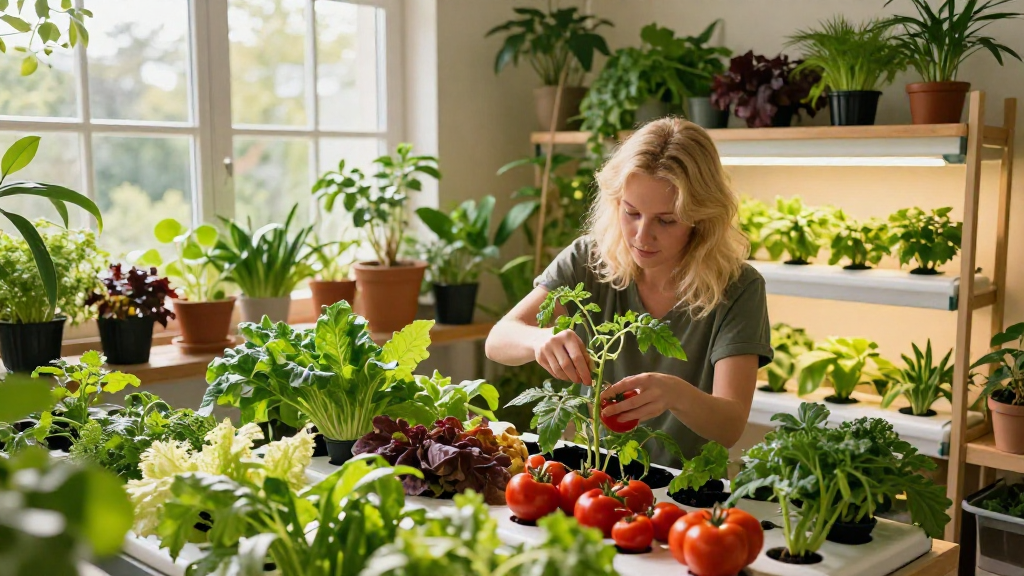
Growing food year-round is an aspiration for many gardeners and food enthusiasts.
With the right techniques and knowledge, it’s entirely possible, regardless of your climate.
Why Is Year-Round Food Gardening Important?
You may ask, why should I bother learning how to grow food year-round?
The benefits are abundant:
- Fresh Produce: Enjoy fresh fruits and vegetables throughout every season.
- Cost Savings: Reduce grocery bills by growing your own food.
- Sustainability: Contribute to a sustainable lifestyle by minimizing reliance on store-bought goods.
- Health Benefits: Access to fresh, organic produce can enhance your overall health.
Understanding how to grow food year-round empowers you to live more sustainably and improve your diet.
What Techniques Can You Use?
Now that you recognize its importance, let’s explore some effective techniques to grow food year-round.
These methods can be adapted to most climates.
1. Utilize Greenhouses
Are greenhouses an option? Absolutely!
Greenhouses are an excellent way to extend the growing season. Here’s how they can help:
- Temperature Control: Maintain a stable, warm environment for plants.
- Protection from Pests: Keep harmful pests and diseases away.
2. Implement Season Extension Practices
What are season extension practices?
These methods can allow you to grow food even in colder months.
- Cold Frames: These are simple structures that capture sunlight and retain heat, protecting your plants from freezing.
- Row Covers: Lightweight fabrics that can be draped over plants to provide warmth.
- Mulching: Helps to insulate the soil, enabling it to maintain temperature.
3. Indoor Gardening Techniques
Can I grow food indoors? Yes!
Indoor gardening has become increasingly popular as you can produce herbs, leafy greens, and even some fruits year-round. Here are some tips:
- Grow Lights: Install LED or fluorescent grow lights to provide adequate light for your plants.
- Hydroponics: This soil-less gardening technique uses nutrient-rich water.
- Container Gardening: Utilize pots and containers to grow a variety of plants in limited space.
What Crops Can You Grow Year-Round?
What are the best crops for year-round gardening?
Choosing the right crops is crucial for successful year-round food gardening. Here’s a list of suitable plants:
- Leafy Greens: Spinach, kale, and Swiss chard grow well in cooler temperatures.
- Root Vegetables: Carrots, radishes, and beets can be harvested in multiple seasons.
- Herbs: Basil, cilantro, and parsley grow both indoors and outdoors.
- Warm-Season Vegetables: Tomatoes and peppers can be grown in summer under cover or indoors.
How Can You Maintain Soil Health?
What role does soil health play in year-round gardening?
Healthy soil is fundamental to successful gardening.
- Crop Rotation: Change the crops grown in each area of your garden.
- Composting: Add organic matter to enrich the soil.
- Testing Soil Quality: Regularly check pH and nutrient levels to adjust accordingly.
Is Automation Beneficial for Year-Round Gardening?
How can automation be incorporated?
Automating some aspects of gardening can make year-round food growth easier.
- Self-Watering Systems: Devices that supply water to your plants as needed.
- Climate Control Systems: Automated heating and cooling systems for greenhouses.
5. Embrace Vertical Gardening
What is vertical gardening?
This innovative method maximizes your space and can be particularly useful in limited areas.
- Wall Planters: Make use of vertical space by planting in wall-mounted containers.
- Trellises: Utilize structures that allow climbing plants, such as cucumbers and beans, to grow upward.
How Can You Prepare for Seasonal Changes?
What should you do to adjust to seasonal changes?
Understanding seasonal shifts is essential when learning how to grow food year-round.
- Plant Hardiness Zones: Familiarize yourself with your zone to choose the right plants.
- Season-Specific Tasks: Create a schedule for planting, harvesting, and maintaining your crops throughout the year.
Can Technology Help You Grow Food Year-Round?
What modern technologies are available?
Technology can dramatically enhance your gardening efforts.
- Gardening Apps: Tools to help plan your garden layout and track plant growth.
- Sensors: Monitor soil moisture and nutrient levels to ensure optimal growing conditions.
Conclusion: Ready to Grow Food Year-Round?
Learning how to grow food year-round is a rewarding endeavor that anyone can undertake.
By employing various techniques, choosing the right crops, maintaining soil health, embracing automation, and preparing for seasonal changes, you can enjoy a flourishing garden no matter where you live.
- Plan Strategically: Consider your local climate and select the methods that work best for you.
- Stay Informed: Keep learning about new gardening techniques to adapt to changing conditions.
- Experiment: Don’t hesitate to try new plants and methods; gardening is all about discovery.
With patience and practice, you’ll be well on your way to growing your own food year-round, leading to a healthier, more sustainable lifestyle. Happy gardening!