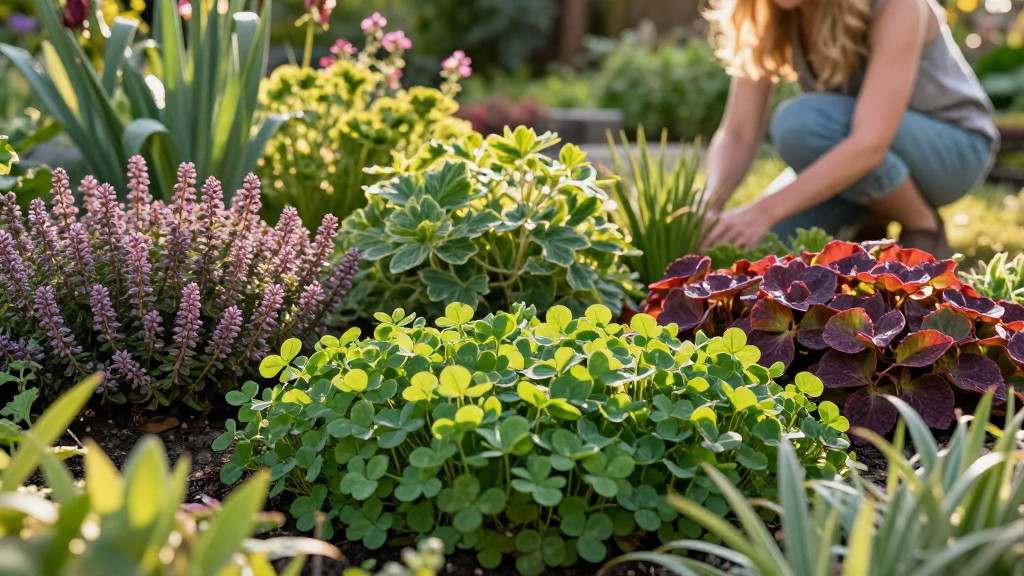
Learning how to grow ground covers can transform your garden into a lush, vibrant landscape.
Ground covers not only add beauty to your outdoor spaces but also serve practical purposes, such as weed suppression and soil erosion control.
What Are Ground Covers and Why Use Them?
Ground covers are low-growing plants that spread across the ground, covering bare soil and enhancing the aesthetic value of your garden.
Their benefits include:
- Weed Suppression: By shading the soil, ground covers inhibit weed germination.
- Erosion Control: Their roots hold the soil in place, reducing erosion caused by wind and water.
- Low Maintenance: Once established, most ground covers require minimal upkeep.
- Aesthetic Appeal: They add texture and color, creating a visually appealing garden.
How to Choose the Right Ground Cover for Your Garden?
Before diving into how to grow ground covers, selecting the right type for your garden is essential. Here are some factors to consider:
- Climate Zone: Choose varieties suited to your local climate. For example:
– Cooler climates: Consider Creeping Thyme or Moss Phlox.
– Warmer climates: Look for Purslane or Ice Plant. - Sunlight: Assess how much sunlight your ground cover will receive:
– Full sun: Options like Creeping Juniper are great.
– Partial shade: Creeping Charlie or Ajuga can thrive. - Soil Type: Determine your soil’s drainage capacity:
– Poorly draining: Use species like Vinca Minor or Liriope.
– Well-draining: Options like Sedum are ideal. - Purpose: Consider what you want to achieve with your ground cover:
– Aesthetic: Select colorful flowering covers.
– Functional: Choose hardy varieties for erosion control.
What Are the Best Ground Covers That Spread?
Several ground covers excel at spreading quickly:
- Creeping Phlox: This perennial ground cover flowers beautifully in spring.
- Ajuga (Bugleweed): Offers attractive foliage and purple flowers, excellent for shady areas.
- Creeping Thyme: A drought-resistant option that also has culinary uses.
- Vinca Minor: Known for its glossy green leaves and lovely purple flowers.
- Creeping Juniper: Ideal for rock gardens and slopes.
Each variety has its unique characteristics and can be chosen based on your garden’s specific requirements.
How to Grow Ground Covers from Seed or Nursery Plants?
Growing ground covers can be accomplished either from seeds or nursery plants.
Here’s a step-by-step guide for each method:
Growing from Seeds:
- Select Seeds: Choose your desired ground cover variety.
- Prepare the Soil: Loosen the top layer of soil and remove weeds.
- Sow the Seeds: Scatter seeds evenly over the soil.
- Cover Seeds: Lightly rake soil to cover the seeds.
- Water Gently: Use a fine spray to avoid displacing seeds.
- Maintain Moisture: Keep the soil consistently moist until germination.
- Thin Seedlings: Once seedlings appear, thin them out to prevent overcrowding.
Growing from Nursery Plants:
- Choose Healthy Plants: Buy healthy ground cover plants from a reputable nursery.
- Prepare the Soil: Similar to the seed method, loosen and amend the soil as needed.
- Dig Holes: Space holes according to the recommended distance for your selected variety.
- Plant Appropriately: Set the plants in their holes, ensuring the root ball is level with the soil surface.
- Backfill and Water: Fill holes with soil and water thoroughly to eliminate air pockets.
- Mulch Around the Plants: Use organic mulch to retain moisture and suppress weeds.
How to Care for Ground Covers After Planting?
Proper care is crucial for healthy growth. Here are some tips on how to grow ground covers effectively after planting:
- Watering: Ensure your ground covers receive adequate moisture, especially during their first growing season. Regularly check for dryness.
- Fertilizing: Use a balanced, slow-release fertilizer to promote growth. This can be done annually in the spring.
- Weed Control: Prevent weeds by manually pulling them or using mulch to suppress growth.
- Pruning: For aggressive spreaders, occasional trimming can keep them in check.
- Pest Monitoring: Keep an eye out for pests. Use organic pest control methods whenever necessary.
When is the Best Time to Plant Ground Covers?
Timing is critical for successful establishment.
Generally, the best times to plant ground covers are:
- Spring: After the last frost but before summer’s heat sets in.
- Fall: Before the first frost, giving the plants time to establish roots.
Understanding the planting season for your specific ground cover will ensure optimal growth.
How Fast Do Ground Covers Spread?
Ground covers vary in their spreading rates.
Here’s what to expect:
- Moderate Spreaders: Varieties like Creeping Thyme typically spread 12-24 inches per year, filling in areas nicely over time.
- Aggressive Spreaders: Plants like Vinca Minor can cover large areas rapidly, often exceeding 2 feet of spread a year under ideal conditions.
Before choosing a ground cover, consider how quickly you want it to fill spaces.
Troubleshooting Common Issues with Ground Covers
Sometimes, growing ground covers doesn’t go as planned. Here are common issues and their solutions:
- Brown Leaves: May indicate drought or nutrient deficiency. Increase watering and consider fertilization.
- Pests: Look for signs of pests like aphids or spider mites. Treat with insecticidal soap.
- Slow Growth: Might be caused by poor soil drainage. Amending the soil can help.
By identifying issues early on, you can implement effective solutions and maintain your ground cover’s health.
Conclusion
Now that you know how to grow ground covers that spread, you can enjoy a thriving garden filled with beautiful, functional plants.
Remember to choose the right variety, plant at the optimal time, and provide proper care to help your ground covers flourish.
With these tips and techniques, your garden will soon be a vibrant display of nature’s beauty. Happy gardening!