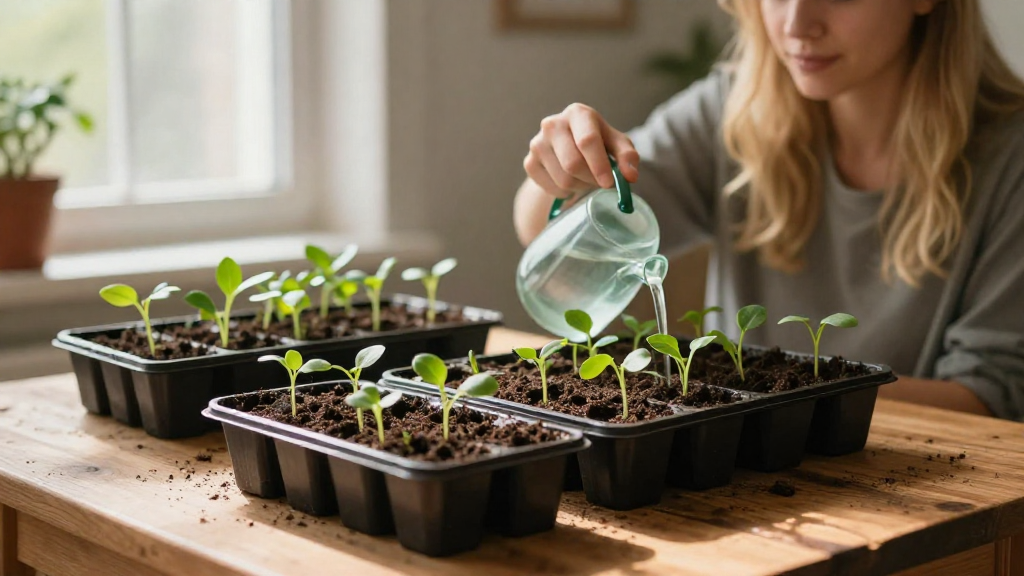
Starting seeds indoors is a rewarding experience that allows gardeners to get a head start on the growing season. This guide will take you through the process step by step, ensuring you’re well-prepared to kick off your gardening adventure.
Why Should You Start Seeds Indoors?
Starting seeds indoors has numerous benefits. Here are a few key reasons:
- Extended Growing Season: You can jump-start your plants before the last frost.
- Better Control Over Growing Conditions: Indoors, you can control the temperature, light, and moisture.
- Disease Prevention: Young seedlings are less likely to be attacked by pests than outdoor plants.
- Variety Customization: You can choose specific varieties that may not be available as nursery plants.
What Supplies Do You Need?
When considering how to start seeds indoors, having the right supplies on hand is crucial. Here’s a list of essentials:
- Seed Trays or Containers: Use seed trays, peat pots, or recycled containers with drainage holes.
- Seed-Starting Mix: A sterile, lightweight mix specifically designed for seed starting will give your seeds the best chance to thrive.
- Seeds: Choose high-quality seeds that are suited for your growing zone and desired planting schedule.
- Light Source: Either a sunny window or grow lights will be necessary for providing adequate light.
- Watering Can or Spray Bottle: For gentle watering.
- Labels and Marker: To keep track of different seed varieties.
How Do You Prepare Your Containers?
Correct preparation of your containers is essential when learning how to start seeds indoors. Follow these steps:
- Choose Your Container: Select a container with good drainage.
- Clean the Container: If you’re reusing containers, wash them with a solution of bleach and water to eliminate pathogens.
- Fill with Seed-Starting Mix: Fill containers to about an inch from the top and gently compress the mix.
How Do You Sow Seeds?
Now that your containers are prepared, it’s time to get to the most exciting part—sowing seeds.
- Moisten the Mix: Lightly water the seed-starting mix before sowing seeds.
- Read Seed Pack Instructions: Each seed type has specific depth and spacing requirements.
- Sow Seeds: Follow the instructions for planting your seeds at the recommended depth and spacing.
- Cover Seeds Lightly: Gently cover seeds with the remaining seed-starting mix or vermiculite as needed.
How Do You Provide the Right Conditions?
Creating the ideal environment is key when learning how to start seeds indoors. Here’s how to do this:
-
Light: Place your containers in a sunny location or under grow lights.
– If using grow lights, position them about 2-4 inches above the seedlings.
– Keep lights on for 12-16 hours daily to mimic natural daylight. -
Temperature: Most seeds germinate best at temperatures between 70°F and 75°F (21°C to 24°C).
– You can use heat mats to maintain consistent warmth. -
Humidity: Cover your containers with a plastic dome or plastic wrap to retain moisture until seeds germinate.
– Once germination occurs, remove the cover to prevent mold growth.
How Do You Water and Care for Seedlings?
Once you have seedlings, proper care is crucial for healthy growth. Here’s a checklist for watering and caring for your seeds:
- Watering:
- Check Moisture Levels: Keep the seed-starting mix moist but not waterlogged.
-
Bottom Watering: Consider bottom watering to prevent disturbing fragile seedlings.
-
Thinning:
-
Once seedlings have true leaves, thin them out to prevent overcrowding, ensuring only the strongest seedlings remain.
-
Fertilization:
- Start fertilizing with a diluted, balanced liquid fertilizer once seedlings have their first true leaves. Fertilizing helps support healthy growth.
When and How Do You Transplant Seedlings?
Transplanting is essential when learning how to start seeds indoors, as it allows seedlings to expand their roots and grow more vigorously. Follow these steps to transplant:
-
Timing:
– Transplant seedlings when they have 2-3 sets of true leaves and are sturdy enough to handle. -
Harden Off Seedlings:
– Gradually expose seedlings to outdoor conditions for about a week by placing them outside for a few hours each day.
– Increase exposure time gradually to avoid shocking them. -
Transplanting Process:
– Carefully remove seedlings from their containers without damaging roots.
– Plant them at the same depth in larger containers or outdoor gardens. -
Water Well:
– After transplanting, water thoroughly to settle the soil around the roots.
How Do You Troubleshoot Common Problems?
Even the best gardeners encounter issues when learning how to start seeds indoors. Here are common problems and their solutions:
- Leggy Seedlings:
- Cause: Insufficient light.
-
Solution: Move seedlings closer to light or increase light duration.
-
Damping Off:
- Cause: Fungal diseases due to overwatering or poor air circulation.
-
Solution: Ensure proper watering practices and good air circulation.
-
Slow Germination or No Sprouts:
- Cause: Incorrect temperature or moisture levels.
- Solution: Check seed-pack instructions and adjust environmental conditions accordingly.
Conclusion
Now that you know how to start seeds indoors step by step, you’re ready to embark on your gardening journey!
By following these guidelines, you’ll ensure that your seedlings are healthy and robust, ready for the great outdoors.
Remember, practice makes perfect!
So, gather your supplies, select your seeds, and enjoy the wonderful process of starting seeds indoors. Happy gardening!