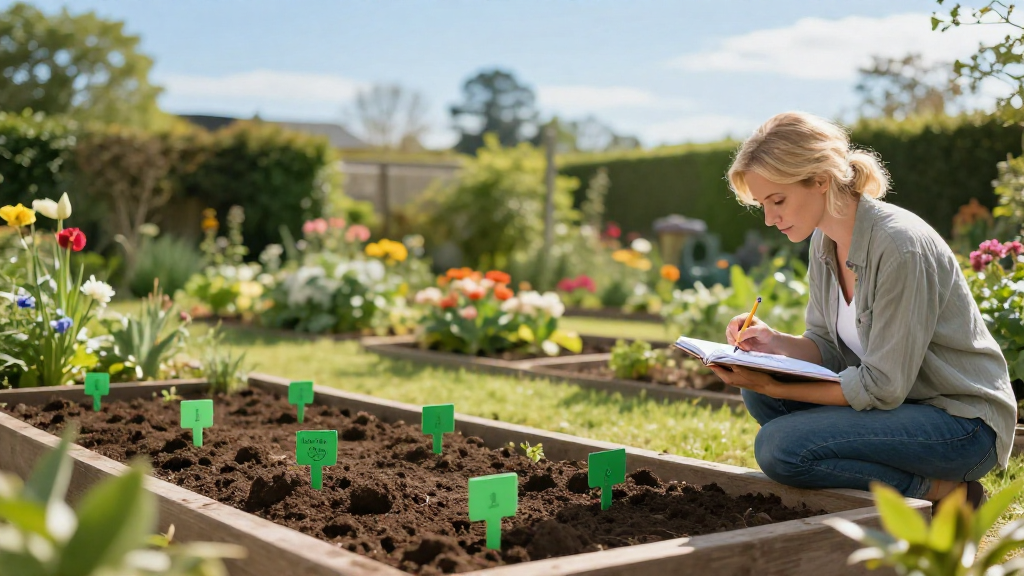
Planning a garden can be an exciting experience, but it requires careful thought and consideration when it comes to design and layout.
Understanding how to map out garden beds effectively ensures that you make the most of your space and create a flourishing garden.
Why Should You Map Out Garden Beds?
Mapping out your garden beds is essential for several reasons:
- Maximizes Space: Helps you to utilize every inch effectively.
- Efficient Planting: Ensures plants have enough room to grow and thrive.
- Improves Aesthetics: A well-planned garden is visually appealing.
By understanding how to properly map out your garden beds, you can create a space that is both beautiful and functional.
What Tools Do You Need to Map Out Garden Beds?
Before jumping into mapping, gather the necessary tools. Here are some essential items:
- Graph Paper: For sketching your layout.
- Measuring Tape: To accurately determine space.
- Pencil and Eraser: For making quick adjustments.
- Stakes and String: To visualize bed boundaries on the ground.
- Garden Design Software: Optional, but useful for digital planning.
These tools will allow you to visualize your garden layout accurately.
How Do You Measure Your Garden Space?
The first step in understanding how to map out garden beds is measuring your garden space accurately.
Here’s a simple procedure:
- Determine the Garden’s Total Area: Use your measuring tape to find out the length and width of your garden.
- Sketch the Garden Layout: Using graph paper, draw out the total area to scale.
- Mark the Existing Features: Note down any existing plants, trees, paths, or structures that might affect your layout.
This foundational step is crucial in determining how to map out garden beds effectively.
What Are the Ideal Dimensions for Garden Beds?
Knowing the best dimensions for garden beds can greatly influence plant health and maintenance ease.
Consider the following dimensions:
- Width: Generally, 3-4 feet is manageable without stepping onto the bed.
- Length: Varies depending on space; typical lengths are between 4-12 feet.
- Height: Standard height for raised beds is about 12-18 inches.
These dimensions promote healthy plant growth and provide easy access for weeding and harvesting.
How Do You Choose Your Plants?
Selecting the right plants is another vital aspect of understanding how to map out garden beds.
Tips for Choosing Plants:
- Know Your Zone: Research your USDA plant hardiness zone.
- Consider Sun Exposure: Choose plants based on sunlight availability—some thrive in full sun, while others prefer partial shade.
- Think About Water Needs: Group plants with similar watering needs together to maintain efficiency.
This will improve the overall health and productivity of your garden.
How to Visualize Your Garden Layout?
Once you have chosen your plants, it’s time to visualize how they will fit within your mapped garden beds.
Here are some actionable steps:
- Draw Your Layout: Outline where each garden bed will go, including paths for easy access.
- Place Plants on Graph Paper: Sketch each plant’s position, considering full grown size.
- Experiment with Placement: Try different arrangements to see which layout appeals most and meets gardening requirements.
Visualizing your garden with sketches or using digital tools allows for easy reassessment without any commitment.
What Is the Best Way to Prepare the Ground?
Preparation is key when learning how to map out garden beds.
Follow these steps for optimal ground preparation:
- Clear the Area: Remove weeds and debris from your designated garden space.
- Test the Soil: Conduct a soil test to understand pH and nutrient levels.
- Amend the Soil: Depending on the test results, consider adding organic matter or fertilizers.
Proper ground preparation sets the stage for a successful garden.
How to Mark Out Garden Beds?
To visually delineate your garden beds before planting, follow these marking methods:
Recommended Techniques:
- Use Stakes: Place stakes at the corners of your beds.
- String Lines: Tie string between the stakes to outline the shape of the beds.
- Spray Paint: For a more permanent visual guide, use eco-friendly spray paint to outline your garden beds.
These methods will help keep your planting area organized and visible as you grow.
How to Keep It Flexible?
Even with a detailed plan, it’s essential to remain adaptable. Gardens can evolve over time, and how to map out garden beds should reflect that.
Here’s how to maintain flexibility in your planning:
- Seasonal Reviews: Each season, assess what worked and what didn’t.
- Reshape Your Beds: Don’t hesitate to change the shape or size of your garden beds based on your findings.
- Experiment with Plant Varieties: Try new plants each season to see what ultimately works best for your environment.
Adaptability will allow your garden to thrive and display the beauty of a well-cared-for space.
What Maintenance Practices Should You Follow After Mapping?
After you’ve successfully mapped out your garden beds and planted your crops, it’s time to think about maintenance.
Key Maintenance Practices Include:
- Regular Watering: Keep your plants hydrated, especially in dry spells.
- Weed Control: Regularly check for weeds and remove them before they take over.
- Fertilization: Feed your plants during the growing season as required.
These practices will maintain the health of your garden, allowing you to enjoy its beauty year after year.
Conclusion
Mapping out garden beds before planting is a foundational step in ensuring garden success.
Understanding how to map out garden beds involves careful planning, selection of tools, and consideration of plant placement.
By following the above steps:
- Measuring your space accurately,
- Choosing the right plants,
- Preparing the ground, and
- Maintaining garden beds effectively,
You can create a flourishing garden that meets your aesthetic and functional needs.
So grab your tools, start planning, and watch your garden flourish!