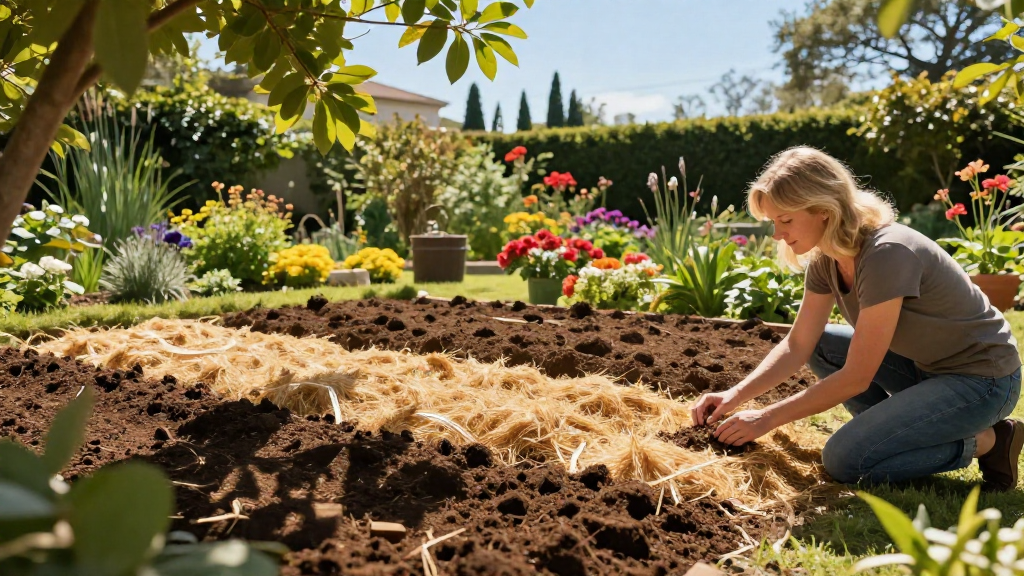
If you’ve been searching for an easy and effective way to grow your own vegetables, you’ve come to the right place.
In this article, we will explore how to build a lasagna garden layer by layer, a gardening technique that enhances soil quality while reducing weeds and pests.
What is a Lasagna Garden?
A lasagna garden, also known as sheet composting, is a no-till gardening method that mimics the natural layering found in the forest floor.
This technique involves creating layers of organic materials that break down over time, enriching the soil and improving growing conditions for your plants.
By using a variety of materials, you can create a nutrient-rich environment that empowers your plants to thrive.
Why Should You Build a Lasagna Garden?
Building a lasagna garden offers several benefits, including:
- Reduced Weeding: The layers suppress weeds, allowing your plants to flourish.
- Improved Soil Quality: As layers decompose, they enrich the soil, ensuring your plants receive the nutrients they need.
- Water Retention: The layers help retain moisture, reducing the need for frequent watering.
- Environmental Benefits: This method utilizes kitchen scraps and yard waste, contributing to waste reduction.
- Cost-Effective: It reduces the need for expensive fertilizers and soil amendments.
Now that you understand the benefits, let’s dive into how to build a lasagna garden step by step!
What Materials Do You Need to Build a Lasagna Garden?
Creating a lasagna garden requires a variety of materials that can be divided into two main categories: browns and greens.
Browns (Carbon-Rich Materials)
- Dry Leaves
- Straw or Hay
- Pine Needles
- Wood Chips
- Cardboard or Newspaper
Greens (Nitrogen-Rich Materials)
- Kitchen Scraps (fruits and vegetables)
- Grass Clippings
- Coffee Grounds
- Manure (from herbivores)
- Plant Trimmings
Additional Materials
- Compost (if available)
- Soil or topsoil
- Earthworms to enhance aeration (optional)
Pro Tip:
Utilizing materials from different sources not only provides a nutrient variety but also helps you maximize the use of available resources.
How to Build a Lasagna Garden Layer by Layer?
Now that you have your materials, let’s discuss how to build a lasagna garden layer by layer:
1. Choose a Suitable Location
Select a spot in your yard that receives adequate sunlight (at least 6 hours of sunlight per day) and has good drainage.
It’s important to ensure the site has enough space to accommodate your lasagna garden.
2. Prepare the Area
Clear the area of any grass, weeds, or debris.
You can use cardboard or newspaper to smother any remaining weeds, which will decompose over time and become part of your garden.
3. Create the Base Layer (Browns)
Start by laying down your carbon-rich materials.
A good base layer includes:
- 4-6 inches of dry leaves
- 2-3 inches of straw or hay
This foundational layer helps with drainage while regulating moisture levels.
4. Add the Greens
On top of the brown layer, add your nitrogen-rich materials.
Aim for:
- 2-3 inches of kitchen scraps
- 1-2 inches of grass clippings
This will kickstart the decomposition process, providing nutrients to your plants.
5. Alternate Layers
Continue to alternate between browns and greens, creating a layered effect.
A typical lasagna garden might consist of:
- 4 inches of browns
- 2 inches of greens
- 4 inches of browns
- 2 inches of greens
Keep repeating this process until your lasagna garden reaches a height of about 3-4 feet.
6. Top it Off
Once you’ve reached the desired height, add a layer of topsoil or finished compost. This will provide a nice planting medium for your vegetable seeds or seedlings.
7. Water Thoroughly
After building your lasagna garden, it’s crucial to water it well.
This helps settle the layers and encourages the microbial activity that breaks down the organic matter.
Make sure to keep the layers moist, but not soggy.
How Long Will It Take for a Lasagna Garden to Decompose?
The timeline for decomposition can vary based on several factors, including:
- Temperature
- Moisture level
- Type of materials used
- Microbial activity
Generally, it can take anywhere from 6 months to 1 year before your lasagna garden is fully decomposed and ready for planting.
Tip:
During the waiting period, you can keep layering in more organic material, which continually adds nutrients to the soil.
What Can You Plant in a Lasagna Garden?
After your lasagna garden has settled and decomposed, it’s time to decide what to plant. Suitable choices include:
- Leafy Greens (spinach, kale, lettuce)
- Root Vegetables (carrots, radishes, beets)
- Herbs (basil, parsley, cilantro)
- Fruits (tomatoes, peppers, zucchini)
Pro Tip:
Based on the size of your lasagna garden, you can also create dedicated sections for each type of plant, allowing for a more organized gardening experience.
How Do You Maintain a Lasagna Garden?
Once your lasagna garden is up and running, upkeep is relatively easy:
-
Monitor Moisture: Keep the soil adequately moist, especially during dry spells.
-
Harvest Regularly: Harvesting your plants encourages new growth and supports the recycling of nutrients in the soil.
-
Add More Layers: Feel free to add new organic material throughout the growing season to keep the soil rich.
-
Mulch: Applying mulch can help retain moisture and suppress weeds.
Final Thoughts on How to Build a Lasagna Garden
Building a lasagna garden is not only an enjoyable gardening method but also a sustainable approach to growing your own food.
By following these steps on how to build a lasagna garden, you can create a rich, nurturing environment for your plants while minimizing labor and maintenance.
So gather your materials, plan your layers, and let nature do its magic!
Now that you have the knowledge, it’s time to roll up your sleeves and start creating your very own lasagna garden today!