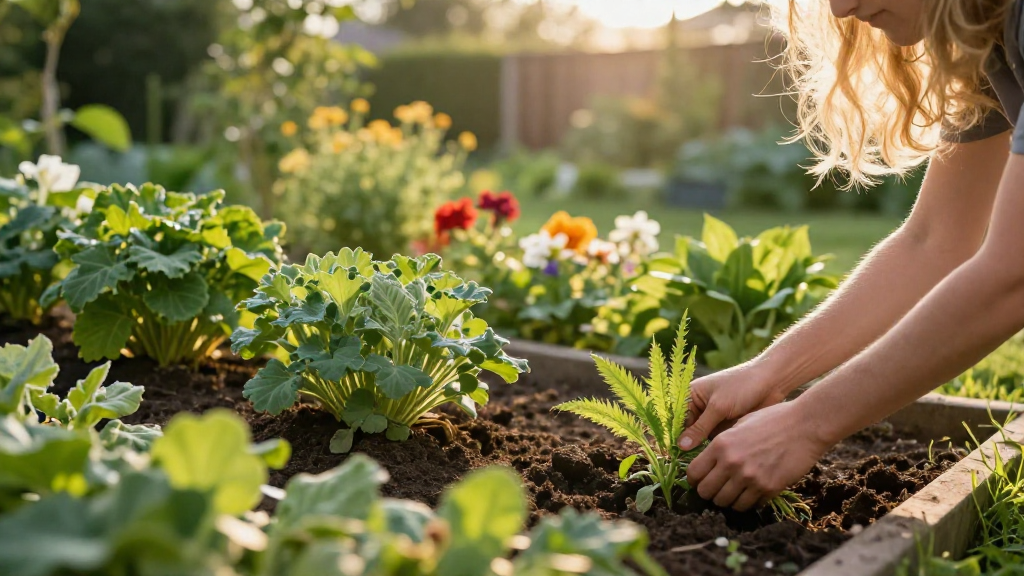
Are you tired of battling pesky weeds in your garden? Understanding how to reduce garden weeds naturally can help you maintain a flourishing garden without harmful chemicals.
What Are the Natural Methods to Reduce Garden Weeds?
Weeds are not just annoying; they compete with your plants for nutrients, water, and sunlight.
By implementing natural methods, you can effectively diminish these unwelcome plants.
Here’s a comprehensive guide on how to reduce garden weeds in your space:
1. Mulching – What Is It and How Does It Help?
Mulching involves covering the soil with a protective layer of material.
This layer can be made from organic substances like:
- Straw
- Bark
- Grass clippings
- Leaves
Mulching not only retains moisture but also suppresses weed growth by blocking sunlight and preventing seeds from germinating.
Benefits of Mulching:
– Reduces water evaporation
– Enhances soil quality as it decomposes
– Prevents soil erosion
2. What Role Does Soil Health Play in Weed Management?
Healthy soil leads to strong plants that can compete better with weeds.
To improve your soil health:
- Test your soil: A soil test kit helps you understand nutrient deficiencies.
- Add compost: Incorporating compost increases soil fertility and structure.
- Plant cover crops: Legumes or clover can fix nitrogen in the soil, making it less conducive to weed growth.
By fostering a thriving ecosystem in the soil, you can make your garden less inviting to weeds.
3. How Can Regular Maintenance Reduce Weeds?
Regular garden maintenance is crucial for how to reduce garden weeds effectively.
Here are some key practices to consider:
- Frequent Weeding: Hand-pulling weeds, especially before they seed, is the best approach. It’s most effective when the soil is moist.
- Cutting Weeds: Use a hoe or weed cutter just above the soil surface, focusing on young, tender weeds.
- Routine Mowing: Ensure that you mow grass regularly to keep it healthy and prevent weeds from seeding.
By maintaining your garden, you’ll not only address the weed problem but also promote the growth of your desired plants.
4. What Plants Can Help Naturally Suppress Weeds?
Some plants can act as natural weed suppressors due to their dense growth.
Consider planting:
- Ground Covers: Creeping thyme, clover, or vinca can outcompete weeds.
- Companion Plants: Certain companion plants like marigolds not only repel pests but can also limit weed exposure.
By incorporating these plants into your garden plan, you’ll naturally limit the space available for weeds to grow.
5. How Does Timing Matter in Weed Management?
Timing is crucial when it comes to how to reduce garden weeds.
Here are timing considerations to keep in mind:
- Weed Early and Often: Clear weeds before they seed, especially in spring when they’re emerging.
- Plant at the Right Time: Carefully consider when you plant your crops to avoid competition from weeds.
- Crop Rotation: Changing your planting schedule year by year can disrupt weed life cycles.
By timing your actions strategically, you can stay one step ahead in the battle against weeds.
6. What Homemade Solutions Can You Use to Deter Weeds?
There are several natural solutions that can help reduce weeds without harsh chemicals.
Consider the following homemade alternatives:
- Vinegar Solution: A mixture of vinegar and water (3:1) can effectively kill weeds when sprayed directly on them.
- Boiling Water: Pouring boiling water on weeds instantly cooks them!
- Salt Water: A mix of salt and water can dehydrate weeds. However, use this solution sparingly as it may harm the soil.
These homemade weed deterrents are not only effective but also environmentally friendly.
7. Can Ground Cover Plants Really Help?
Yes! Ground cover plants can significantly help in how to reduce garden weeds.
These plants spread horizontally, creating a dense mat that can smother weeds.
Some beneficial ground cover options include:
- Sedum
- Ajuga
- Sweet Woodruff
By strategically placing these plants, you’ll create a natural barrier against unwanted weeds.
8. Why Is Watering Technique Important?
How you water your garden can influence weed growth.
Here’s what to keep in mind:
- Deep Watering: Water deeply but less frequently to encourage root growth in desirable plants.
- Avoid Overhead Watering: This practice can promote weed growth. Instead, focus on drip irrigation or watering at the base of plants.
By optimizing your watering technique, you foster the growth of your plants while minimizing the moisture available for weeds.
9. What Role Does Landscape Fabric Play?
Using landscape fabric can be an effective strategy in how to reduce garden weeds.
It acts as a barrier that allows air and moisture in while blocking sunlight from reaching the soil.
Considerations when using landscape fabric:
– Choose a breathable fabric to ensure soil health.
– Secure the edges to prevent weeds from slipping in.
– Combine with mulch for added benefits.
This approach can dramatically reduce weed emergence while still allowing your plants to thrive.
10. How Can You Stay Consistent with Weeding?
Finally, consistency is key.
- Set a Schedule: Allocate specific times each week for weeding.
- Get Everyone Involved: Encourage family members to take part in keeping the garden weed-free.
- Implement Reward Systems: Create a fun environment by rewarding kids for helping out with weed management.
By establishing a routine, you’ll make weeding a manageable task rather than an overwhelming chore.
Conclusion
Weeds can be a gardener’s worst enemy, but knowing how to reduce garden weeds naturally equips you with the tools to fight back.
By employing methods such as mulching, maintaining soil health, regular maintenance, and utilizing natural barriers, you can cultivate a thriving, weed-free garden.
Remember to stay consistent in your efforts, and soon enough, your garden will be a flourishing space free of unwanted weeds!