The best compact coolers make it easier to keep food and drinks cold without carrying a bulky full-size chest. This roundup compares hard-shell, soft-sided, backpack, rolling, and wheeled options for everyday outings and longer trips.
Use the buying guide below to match capacity, insulation, portability, leak resistance, and access features to the way you plan to use your cooler.
Best 10 Compact Coolers Picks for 2026
Classic Personal Pick
Igloo Playmate Pal 7-Quart Cooler
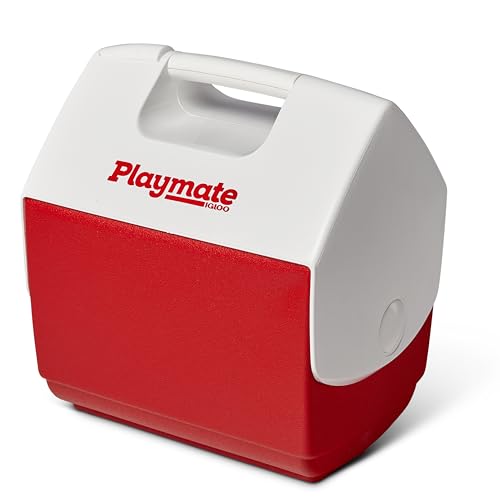
- Holds up to nine cans
- Push-button, two-way-opening lid
- Molded-in carry handle
Best For: Personal drinks and snacks on short outings
Flexible Large-Capacity Carry

- Holds up to 30 cans and two ice packs
- Quick-access Velcro top opening
- Folds and includes multiple pockets
Best For: Picnics, beach trips, and group outings
Smallest Hard-Shell Option

- Compact personal-size capacity
- Insulated rigid HDPE shell
- Swing carry handle for transport
Best For: Short outings with drinks and snacks
Hands-Free High-Capacity Pick

- 30-liter capacity for up to 35 cans
- Padded straps enable hands-free carrying
- Waterproof and leakproof construction
Best For: Outdoor trips requiring substantial, portable storage
Best Soft Cooler
Titan Zipperless HardBody Cooler

- 16-can capacity with ice
- Zipperless flip-open access
- Removable SmartShelf organization
Best For: Day trips, tailgates, and organized outdoor packing
Best Rolling Cooler
dbest Ultra Compact Smart Cart

- Folds flat for storage
- Holds up to 36 cans
- Wheels and telescoping handle
Best For: Picnics, errands, and travel with rolling convenience
Best Hard Cooler
Coleman Chiller 16-Quart Cooler

- Cold retention up to 36 hours
- Reinforced lid supports 200 pounds
- Wide-grip handle for carrying
Best For: Picnics, tailgates, and small-group weekend outings
Best Large-Capacity Soft Cooler

- 22-liter capacity holds up to 30 cans
- Five-layer insulation keeps contents cold up to 24 hours
- Collapsible, leakproof design with multiple pockets
Best For: Camping, beach trips, road trips, and group outings
Best Hard-Shell Crossbody Cooler

- 11-quart cooler holds up to 14 cans
- Hard shell provides structured storage
- Crossbody strap and gasketed locking lid improve portability
Best For: Picnics and short camping outings
Best Everyday Lunch Cooler

- 9-liter capacity fits up to 12 cans
- Keeps contents cool or warm for more than 4.5 hours
- Water-resistant exterior with food-grade PEVA lining
Best For: Office lunches, workdays, and personal picnics
Classic Personal Pick – Igloo Playmate Pal 7-Quart Cooler
For shoppers comparing compact coolers, the Igloo Playmate Pal is a straightforward hard-shell option for personal drinks and snacks. Its 7-quart capacity is sized to hold up to nine cans, while the molded-in handle and tent-top design make it practical for short outings.
Best For: Camping, picnics, work breaks, and personal day trips where a rigid, easy-carry cooler is useful.
Pros:
- 7-quart capacity holds up to nine cans.
- Push-button lid supports convenient one-handed operation.
- Lid swings open to either side for easier access.
- Secure lid helps prevent spills.
Cons:
- Hand-wash-only care may require extra maintenance.
- Hard-shell design is less flexible for storage than a collapsible soft cooler.
The Playmate Pal is a good fit when simple access and a compact footprint matter more than maximum capacity or backpack-style portability.
Flexible Large-Capacity Carry – Maelstrom 30-Can Soft Cooler
The Maelstrom is a soft-sided choice for compact coolers buyers who need more packing room without committing to a rigid chest. It holds up to 30 330 ml cans and two ice packs, folds for storage, and adds pockets for picnic or travel essentials.
Best For: Picnics, beach days, camping, grocery trips, food delivery, and other outings requiring flexible storage and shoulder carrying.
Pros:
- Capacity for up to 30 cans and two ice packs.
- Five-layer insulation is designed to provide up to 16 hours of cold retention.
- Top Velcro opening offers quick access without opening the main zipper.
- Multiple pockets, adjustable shoulder strap, and included bottle opener add convenience.
Cons:
- Its large capacity may be more than needed for individual lunches.
- Soft construction provides less rigid protection than a hard-shell cooler.
Choose this model when foldability, organization, and carrying capacity are priorities. Its waterproof, leakproof construction also suits messier outdoor use, provided it is cleaned with a damp cloth.
Smallest Hard-Shell Option – RAHBER 5.75-Quart Cooler
This RAHBER model is one of the most compact coolers in its range, with a 5.75-quart capacity intended for personal drinks and snacks. Its insulated hard shell and swing carry handle make it a practical car cooler for short trips, work breaks, picnics, or beach visits.
Best For: Individual day trips, lunch breaks, road travel, tailgates, and small loads that benefit from a rigid cooler body.
Pros:
- Compact 5.75-quart size for personal use.
- Insulated HDPE shell with polyurethane foam insulation.
- Swing carry handle makes transport simple.
- Lightweight design is easy to move between a vehicle and destination.
Cons:
- Smaller capacity limits it to personal-sized loads.
- No warranty is listed in the supplied details.
The 5.75-quart RAHBER is best when minimizing bulk is the main goal. Those needing more room can consider the same family’s listed 13.2- or 19-quart options.
Hands-Free High-Capacity Pick – Hulongo 30L Cooler Backpack
The Hulongo brings backpack convenience to the compact coolers category while offering substantial storage. Its 30-liter interior can accommodate up to 35 330 ml cans, and the padded adjustable straps make it easier to carry than a traditional handheld cooler on hikes, beach trips, and travel days.
Best For: Camping, hiking, boating, beach trips, picnics, and travel when hands-free carrying and generous capacity are important.
Pros:
- 30-liter capacity accommodates up to 35 cans.
- 8 mm foam insulation is designed to keep contents cool for up to 12 hours.
- Waterproof, leakproof construction is suited to outdoor use.
- Two insulated compartments plus front and side pockets improve organization.
Cons:
- The 30-liter capacity makes it less compact than a personal cooler.
- Its backpack format may be less convenient for users who prefer a rigid chest.
This is a strong option for carrying a larger load over distance. The bottle opener and multiple compartments add practical value for group outings, while the one-year warranty provides additional purchase reassurance.
Best Soft Cooler – Titan Zipperless HardBody Cooler
The Titan Zipperless HardBody Cooler is a practical choice among compact coolers when quick access and organized packing matter. Its 16-can capacity, zipperless lid, leak-proof liner, and removable SmartShelf make it suitable for day trips, work sites, sporting events, and outdoor outings.
Best For: Day trips, picnics, tailgates, sports events, camping, and job sites where easy access and organized storage are useful.
Pros:
- Zipperless flip-open lid provides fast access to food and drinks.
- Insulation is designed to keep ice for up to two days.
- Removable SmartShelf helps separate hard items from soft foods.
- Adjustable shoulder strap and leak-proof, easy-clean lining improve portability and upkeep.
Cons:
- The 16-can capacity may be limited for larger groups.
- Its soft-sided design may offer less rigid protection than a traditional hard cooler.
Choose this Titan model if you want a compact cooler with flexible storage and convenient shoulder carry. The removable shelf also lets you switch between organized packing and one larger compartment.
Best Rolling Cooler – dbest Ultra Compact Smart Cart
The dbest Ultra Compact Cooler Smart Cart stands out among compact coolers for shoppers who prefer wheels over shoulder carrying. It folds flat for storage, holds up to 36 cans, and combines an insulated leak-proof bag with a telescoping handle and ball-bearing wheels.
Best For: Picnics, beach trips, grocery hauls, camping, and travel when rolling transport and compact storage are priorities.
Pros:
- Collapses flat to approximately 12 by 17 inches for easier storage.
- Ball-bearing wheels and a two-step telescoping handle simplify transport.
- Insulated main chamber holds up to 36 cans and keeps them cold for up to 24 hours.
- Mesh beverage holders and a front pocket add organization.
Cons:
- It is primarily designed to roll rather than be carried by hand.
- The listed product details provide no warranty.
- Its 24-hour cooling claim is shorter than some larger coolers’ extended ice-retention times.
This is a strong fit when portability means rolling a loaded cooler instead of lifting it. Its folding design is especially useful for apartments, car trunks, and other space-conscious storage situations.
Best Hard Cooler – Coleman Chiller 16-Quart Cooler
The Coleman Chiller 16-quart cooler is a straightforward hard-sided option among compact coolers. Its TempLock insulation is designed to keep contents cold for up to 36 hours, while the reinforced lid can support up to 200 pounds and double as extra seating.
Best For: Beach days, picnics, tailgates, camping, boating, and small-group outings that benefit from a durable box-style cooler.
Pros:
- TempLock foam insulation keeps contents cold for up to 36 hours.
- 16-quart capacity accommodates drinks and ice for smaller outings.
- Reinforced lid supports up to 200 pounds and can serve as a seat.
- Wide-grip bail handle and smooth wipe-clean surfaces make transport and cleanup easier.
Cons:
- The hard-shell design is less collapsible than soft coolers.
- A 16-quart capacity may not be enough for large groups or extended trips.
- The included warranty is limited to one year.
Select the Coleman Chiller if you prefer the structure and seating utility of a hard cooler. It offers a useful balance of compact dimensions, 36-hour cooling, and easy carrying for weekend-style outings.
Best Large-Capacity Soft Cooler – Maelstrom 30-Can Cooler Bag
For shoppers seeking compact coolers with more room than a typical lunch bag, the Maelstrom 30-Can Soft Cooler offers 22 liters of flexible storage. Its five-layer insulation, leakproof PEVA construction, and collapsible design make it practical for day trips, beach outings, road trips, and grocery runs.
Best For: Camping, beach days, kayaking, road trips, and group outings where extra soft-sided capacity is useful.
Pros:
- Holds up to 30 330 ml cans and offers approximately 22 liters of capacity.
- Five-layer insulation is designed to keep contents cold for up to 24 hours with ice.
- Seam-welded PEVA construction is designed to prevent leaks.
- Multiple pockets, three carrying options, and a detachable bottle opener add convenience.
Cons:
- Its larger 30-can capacity may be more than needed for a single lunch.
- As a soft cooler bag, it provides less rigid structure than a hard-shell model.
The Maelstrom is a strong choice when you want compact-cooler portability without giving up substantial storage. It folds for easier storage, though its capacity and pocket-rich design favor longer outings over minimalist carry.
Best Hard-Shell Crossbody Cooler – Igloo Tag Along Too
The Igloo Tag Along Too is one of the more structured compact coolers for picnics and short outdoor trips. This 11-quart hard-shell model holds 14 cans, includes MaxCold insulation, and uses a shoulder strap for hands-free carrying.
Best For: Picnics and camping trips when you want a compact hard cooler with upright bottle storage.
Pros:
- Hard-shell construction offers a more structured container than a soft bag.
- Holds up to 14 cans and provides vertical space for sports drinks and bottles.
- MaxCold insulation in the body and lid is designed for advanced ice retention.
- Gasketed locking lid helps prevent spills, while the adjustable strap supports crossbody carrying.
Cons:
- Its 11-quart capacity is smaller than the Maelstrom’s 22-liter design.
- The hard shell weighs 4.1 pounds before adding food or ice.
Choose the Tag Along Too if a rigid, picnic-style cooler and hands-free strap matter more than maximum capacity. Its locking gasketed lid and upright storage make it a practical option for organized short outings.
Best Everyday Lunch Cooler – Lifewit 12-Can Lunch Bag
For everyday carry, the Lifewit Medium Lunch Bag is among the most compact coolers in this lineup. Its 9-liter interior fits up to 12 standard cans, while the insulated PEVA lining, protective foam, and wide-opening lid suit work lunches, picnics, and short trips.
Best For: Office lunches, workdays, personal picnics, and carrying a compact meal with drinks.
Pros:
- Compact 9-liter size holds up to 12 330 ml cans or a typical lunch.
- Insulation is designed to keep food and drinks cool or warm for more than 4.5 hours.
- Food-grade PEVA lining and 600D water-resistant Oxford fabric support easy cleanup and leak resistance.
- Wide-opening two-way zipper, handles, shoulder strap, and extra pockets improve usability.
Cons:
- Its stated cooling duration is shorter than the Maelstrom’s up-to-24-hour claim.
- The smaller capacity is less suitable for group refreshments or extended outings.
The Lifewit is a sensible pick when portability and daily convenience come first. It offers enough space for an individual meal and drinks without the bulk of a larger outdoor cooler.
How We Picked These Compact Coolers
We selected these Compact Coolers to cover the main use cases shoppers encounter: packed lunches, commuting, car travel, picnics, beach days, camping, and group outings. The list includes hard-shell models for structure and durability, soft coolers for easier storage, backpacks for hands-free carrying, and rolling designs for reducing lifting.
We also considered practical specifications such as stated capacity, ice-retention claims, insulation design, waterproof or leak-resistant construction, opening style, handles, wheels, and collapsibility. Because real-world cooling time varies with starting temperature, ice quantity, opening frequency, and outside heat, treat performance claims as useful comparisons rather than guarantees.
Quick Comparison
| Best For | Cooler Style | What to Look For |
|---|---|---|
| Lunches and short errands | Small soft cooler or compact hard shell | Easy cleaning, modest capacity, simple carry handles |
| Beach and picnic trips | Hard shell, soft tote, or rolling cooler | Stable base, durable exterior, convenient access |
| Hands-free travel | Insulated backpack | Padded straps, comfortable weight distribution, secure closures |
| Longer day trips | Insulated hard cooler or large soft cooler | Thicker insulation, leak resistance, and enough room for ice |
| Heavy loads | Rolling cooler or cooler cart | Wheel quality, handle strength, and terrain suitability |
Key Buying Factors for Compact Coolers
Capacity and Usable Space
Choose capacity based on cans, containers, and ice—not the advertised volume alone. A cooler that is technically large enough may feel cramped once you add reusable ice packs and food containers. For one person, a lunch-sized model may be sufficient; families and groups should consider a 30-can or larger design.
Insulation and Ice Retention
Hard shells generally provide more structure and can offer strong insulation, while soft coolers are easier to store and carry. Look for thick walls, a well-sealed lid or zipper, and room to pack ice around the contents. Avoid judging performance solely by the longest advertised retention period.
Portability and Access
Check the loaded weight, handle placement, shoulder straps, backpack fit, and wheel design. Quick-access openings are convenient for frequent drinks, while wide lids are better for loading larger food containers. Rolling models are helpful on pavement but may be less practical on sand or uneven ground.
Leak Protection and Cleaning
If the cooler will travel in a vehicle or carry melting ice, prioritize leak-resistant liners, sealed seams, and a drain or easy-clean interior. Removable liners and wipeable surfaces reduce odor and simplify maintenance.
Who Should Buy Which Compact Coolers?
Choose a small hard-shell cooler for dependable structure, easy loading, and short outings. A soft-sided cooler is better when storage space is limited or you need a lighter bag. Pick an insulated backpack for commuting, walking, cycling, or hands-free travel. For beach trips and picnics, consider a model with stronger handles, a stable base, or wheels. If you regularly pack food for several people, prioritize capacity and insulation over the smallest possible footprint.