If you want to cut attic heat gain without adding a bulky layer of traditional insulation, a reflective insulation roll for attic use can be a smart upgrade.
These rolls help reduce radiant heat transfer, support year-round comfort, and come in styles suited to different climates, budgets, and installation needs.
Best 10 Reflective Insulation Roll for Attic Picks for 2026
Commercial Grade Radiant Barrier
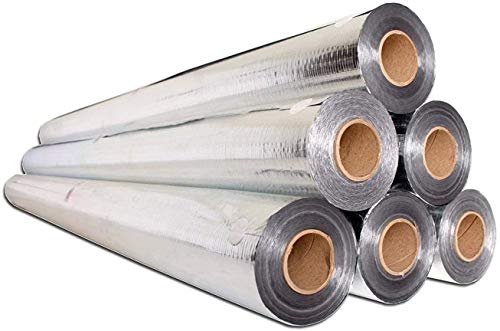
- 1,000 sq ft coverage with 4 ft width
- 99.7% reflective, double-sided aluminum
- ASTM compliant Class A/Class 1 rating
Best For: Large attic or roof projects needing a light, code-friendly radiant barrier
Verified Quality Attic Barrier
RadiantGUARD Xtreme 1000 Sq Ft

- Meets and exceeds ASTM C1313 testing
- Commercial grade and heavier at 28 lbs
- Perforated, tear- and puncture-resistant
Best For: DIY attic insulation with certification-focused, heavy-duty foil performance
Foam Core Radiant Shield

- Reflects 95% of radiant energy
- Foam core with foil on both sides
- Acts as a vapor barrier
Best For: Mixed-use attic and building projects needing a foam-backed reflective roll
Thermal Bubble Barrier

- One-sided foil with 3/16 inch bubble layer
- Easy to cut and install
- Made in the USA for attic and multi-use projects
Best For: Colder-climate spaces that need a lightweight bubble-style reflective barrier
Commercial-Grade Attic Foil
Radiant Barrier Insulation Roll, 1000 Sq Ft

- Reflects up to 95% of radiant heat
- Perforated aluminum supports attic airflow
- Covers 1,000 sq ft per roll
Best For: Large attic jobs and other DIY thermal barrier projects
Foam-Core Radiant Barrier
SmartSHIELD -5mm R17 Reflective Roll

- R17 foam-core reflective insulation
- Reflects 95% of radiant heat
- Acts as a vapor barrier
Best For: Durable attic and crawl space insulation projects
High-Reflectivity Attic Roll
Houseables 1000 Sq Ft Radiant Barrier

- Claims over 97% reflectivity
- 1,000 sq ft roll for larger jobs
- Meets ASTM fire and breathability standards
Best For: Large DIY attic projects needing high reflectivity
Heavy-Duty Foam Core Barrier
SmartSHIELD 10mm Foil/Foil Roll

- 10mm closed-cell foam core with foil on both sides
- Reflects 95% of radiant energy
- Works as a vapor barrier for moisture resistance
Best For: Thicker attic and multi-use radiant barrier projects
Budget-Friendly Double Foil Roll
48 x 50 Ft Reflective Insulation

- Double-sided aluminum foil with XPE core
- 200 sq. ft. coverage in one roll
- Flame retardant and moisture-proof
Best For: DIY attic or garage installs that need easy handling
Large-Coverage Commercial Roll
1000 Sq Ft Perforated Radiant Barrier

- 1,000 sq. ft. roll for large projects
- Reflects up to 97% of radiant heat
- Perforated and Class A/Class 1 rated
Best For: Large ventilated attic or metal-building installations
Commercial Grade Radiant Barrier – 1000 Sq Ft Green Energy Foil
If you need a reflective insulation roll for attic use that covers a large area, this 1,000 sq ft radiant barrier is built for straightforward summer heat control. It’s a double-sided, highly reflective aluminum roll that’s designed to reflect radiant heat rather than absorb it, and it’s light enough to handle without special tools.
Best For: Large attic, roof, and wall projects where you want a lightweight, perforated radiant barrier with strong code-focused specs.
Pros:
- Large 1,000 sq ft roll with 4 ft width for broad coverage
- 99.7% reflective value and double-sided reflective surface
- Tear-resistant, perforated, and easy to cut with utility scissors
- Meets ASTM fire and smoke safety requirements, including Class A/Class 1 rating
Cons:
- Foil-style barrier is best for radiant heat control, not bulky insulation needs
- Perforated construction may not be the right choice if you want a non-perforated barrier
Overall, this is a practical choice if your priority is a durable, code-compliant attic radiant barrier with high reflectivity and simple handling. It makes the most sense in projects where coverage, ease of installation, and fire rating matter as much as heat reflection.
Verified Quality Attic Barrier – RadiantGUARD Xtreme 1000 Sq Ft
For a reflective insulation roll for attic applications where certified performance is the focus, this RadiantGUARD Xtreme roll is positioned as a heavy-duty option. It is marketed as commercial grade, perforated, and designed to block radiant heat gain and loss while helping keep attic temperatures more consistent.
Best For: DIY attic installs where you want a heavier radiant barrier with certification claims and broad code compatibility.
Pros:
- Meets and exceeds ASTM C1313 radiant barrier certification testing
- Class A / Class 1 fire rated and described as code compliant
- Commercial grade and heavier than many competitors at 28 lbs
- Perforated, tear- and puncture-resistant, and easy to cut
Cons:
- Best results depend on proper attic placement, including gable walls
- Foil barrier is focused on radiant heat, not thick thermal fill
This is a strong pick if you want a rugged attic radiant barrier with a strong certification story and a straightforward staple-up installation. The heavier build and code-related claims make it appealing for buyers who want a more premium-feeling roll.
Foam Core Radiant Shield – SmartSHIELD 48 x 100 Ft
If you want a reflective insulation roll for attic and multipurpose building use, this SmartSHIELD option adds a foam core between reflective foil layers. That design is meant to act as both a radiant barrier and a vapor barrier, while staying lightweight and easy to cut for installation.
Best For: Buyers who want a foam-backed reflective roll for attics, walls, ceilings, and other mixed-use insulation projects.
Pros:
- Reflects 95% of radiant energy
- Foam core construction with foil on both sides
- Functions as a vapor barrier and is unaffected by humidity and moisture
- Non-toxic, non-allergic, and easy to install
Cons:
- Smaller coverage at 400 sq ft than some attic-only rolls
- Foam-core build may be more than you need for a simple radiant barrier project
This roll makes sense when you want more than plain foil and need added versatility across attics, ceilings, walls, or specialty spaces. Its foam sandwich construction adds function, but it also shifts the product toward mixed-use insulation rather than a basic attic-only barrier.
Thermal Bubble Barrier – USA Reflective Bubble Roll
For shoppers comparing a reflective insulation roll for attic use in colder climates, this one-sided bubble roll offers a different construction from plain foil barriers. It combines a foil outer layer with a 3/16 inch bubble layer, aiming to stabilize indoor temperatures and add thermal resistance in a lightweight format.
Best For: Attics, basements, crawl spaces, and other spaces where you want a bubble-style reflective barrier that is easy to cut and install.
Pros:
- One-sided bubble roll with foil outer layer
- 3/16 inch bubble construction for cushioning and insulation
- Designed to help stabilize temperatures in winter or summer
- Easy to cut with scissors or a knife and suitable for many applications
Cons:
- Thermal resistance is listed as a range, not a single fixed value
- One-sided design may not suit buyers seeking a double-sided foil barrier
This is a flexible pick if you want a bubble-based reflective layer rather than standard attic foil. It stands out for easy handling and broad use, but it is better matched to general thermal control than to buyers focused on maximum foil reflectivity.
Commercial-Grade Attic Foil – Radiant Barrier Insulation Roll, 1000 Sq Ft
If you need a reflective insulation roll for attic spaces that focuses on heat control rather than bulk, this radiant barrier foil is built for straightforward DIY installation. It is designed to reflect up to 95% of radiant heat, and the perforated aluminum construction helps it work as a breathable thermal barrier under the roof deck.
Best For: Homeowners wanting a simple, low-maintenance attic foil roll that can also be used in garages, crawl spaces, and metal buildings.
Pros:
- Reflects up to 95% of radiant heat to help lower attic temperatures
- Perforated, breathable design supports airflow in attic applications
- One roll covers 1,000 sq ft, making it practical for larger jobs
- Strong, tear-resistant double-sided aluminum is built for long-term use
Cons:
- Works as a radiant barrier, so it is not the same as thick fiberglass insulation
- Requires stapling and cutting during installation
- Best results depend on correct placement under the roof deck
This is a solid pick if your priority is reducing attic heat with a durable foil barrier that is easy to handle and suitable for multiple spaces. Its broad 1,000 sq ft coverage and maintenance-free design make it especially appealing for DIY projects.
Foam-Core Radiant Barrier – SmartSHIELD -5mm R17 Reflective Roll
For buyers comparing a reflective insulation roll for attic use with extra structure, this foam-core foil option stands out for its R17 rating and vapor-barrier properties. It reflects 95% of radiant energy, is made to resist tears and punctures, and is intended for attics, ceilings, walls, and other demanding applications.
Best For: Users who want a more rigid reflective barrier for attics, crawl spaces, and commercial-style insulation projects.
Pros:
- R17 reflective insulation with 95% radiant heat reflection
- Foam-core build adds tear and puncture resistance
- Acts as a vapor barrier and is unaffected by humidity and moisture
- Meets or exceeds ASTM C1313 standards with a Class A fire rating
Cons:
- Foam-core construction may be more than some simple attic installs need
- Only 24 inches wide, so coverage may take more passes
- Better suited to users who want performance specs over basic foil simplicity
This is a strong choice when you want reflective insulation with added durability and documented performance ratings. It makes sense for tougher environments or projects where vapor resistance and puncture protection matter as much as heat reflection.
High-Reflectivity Attic Roll – Houseables 1000 Sq Ft Radiant Barrier
This reflective insulation roll for attic use is built around coverage and high reflectivity, making it a practical option for larger roofing and attic projects. With a 1,000 sq ft roll size and a claimed reflective value above 97%, it is designed to bounce radiant heat away while staying light enough for easier handling.
Best For: DIYers who want a lightweight, high-reflectivity attic foil roll with broad coverage.
Pros:
- Large 1,000 sq ft roll covers extensive attic or roof areas
- Claims more than 97% reflectivity for strong radiant heat control
- Perforated, tear-resistant foil cuts easily with utility scissors
- Meets ASTM fire, smoke, and breathability requirements
Cons:
- Like other radiant barriers, it is not a substitute for bulky insulation
- Performance depends on proper installation in the intended application
- Best suited to users who need foil barrier coverage rather than a thick insulating layer
Overall, this roll is a straightforward pick for buyers who want strong reflective performance with manageable installation. Its large coverage and compliance details make it a sensible option for attic upgrades and similar building projects.
Heavy-Duty Foam Core Barrier – SmartSHIELD 10mm Foil/Foil Roll
If you want a reflective insulation roll for attic use that does more than just bounce heat, this SmartSHIELD roll is built as a foil/foil radiant barrier with a 10mm closed-cell foam core. It’s aimed at reducing radiant heat transfer, helping manage moisture, and giving you a practical DIY-friendly layer for attics, ceilings, walls, and other building spaces.
Best For: Buyers who want a thicker foam-core radiant barrier for attic and multi-use insulation projects.
Pros:
- Reflects 95% of radiant energy for strong radiant-barrier performance.
- Foil on both sides with a 10mm closed-cell polyethylene foam core.
- Acts as a vapor barrier and is described as unaffected by humidity and moisture.
- Easy to cut, lightweight, and non-toxic for straightforward installation.
Cons:
- Coverage is 200 square feet, which may be limiting for larger attic projects.
- Best suited to radiant-barrier applications rather than traditional bulky insulation.
- Thickness may be more than needed for simple reflective wrap jobs.
This is a solid pick if you want a more substantial reflective insulation roll for attic spaces and similar areas where heat reflection and moisture resistance both matter. It stands out for its foam-core construction and all-around versatility in homes and outbuildings.
Budget-Friendly Double Foil Roll – 48 x 50 Ft Reflective Insulation
This reflective insulation roll for attic projects is a simple 48-inch by 50-foot foil-faced option that focuses on year-round temperature control. With a double-sided aluminum finish and XPE core, it’s designed to reflect heat in summer, help retain warmth in winter, and install easily on DIY jobs where moisture protection matters too.
Best For: DIYers who want an easy-to-handle attic or garage radiant barrier with moisture resistance.
Pros:
- Double-sided aluminum foil with a 3-layer XPE core for thermal control.
- Provides 200 sq. ft. of coverage in one roll.
- Flame retardant and moisture-proof for added peace of mind.
- Easy to cut with scissors for custom-sized installation.
Cons:
- 5mm thickness is lighter than some heavier-duty insulation rolls.
- Best suited to reflective insulation use, not a full substitute for thick batt insulation.
- Coverage may require multiple rolls for larger attics.
If you want a straightforward foil insulation roll that’s easy to install and works in attics, garages, or even window applications, this is a practical choice. It balances basic thermal performance with simple DIY handling.
Large-Coverage Commercial Roll – 1000 Sq Ft Perforated Radiant Barrier
For bigger projects, this reflective insulation roll for attic spaces delivers a large 1,000 square foot coverage area and is built as a perforated, double-sided aluminum radiant barrier. It’s designed to reflect up to 97% of radiant heat, reduce HVAC strain, and allow moisture vapor to escape, which makes it a strong fit for attics and other ventilated spaces.
Best For: Large attic, garage, or metal-building projects that need broad coverage and breathable radiant-barrier performance.
Pros:
- Covers 1,000 sq. ft., making it efficient for larger installations.
- Reflects up to 97% of radiant heat for strong temperature control.
- Precision-perforated design helps moisture vapor escape and supports ventilation.
- Class A / Class 1 rated and described as non-toxic and fiber-free.
Cons:
- Larger roll size may be more than smaller DIY projects need.
- Perforated construction is focused on breathability rather than a sealed vapor barrier.
- Heavier roll size may be less convenient to handle than smaller options.
This is the strongest choice if you’re covering a lot of attic space and want a breathable radiant barrier with code-friendly fire performance. It’s a practical upgrade when coverage, durability, and ventilation are top priorities.
How We Picked the Best Reflective Insulation Roll for Attic
We focused on products that are practical for attic installations, with attention to coverage, material construction, perforation, thickness, and whether the roll is better suited for radiant heat control, added thermal resistance, or moisture management. We also favored options that are easier to install in standard attic spaces.
Quick Comparison
The main differences come down to foil type, core material, and roll size. Pure radiant barriers are best for reflecting heat, while foam-core and bubble-core options can add a bit more insulation value. Larger commercial rolls usually offer the lowest cost per square foot, while narrower rolls can be easier for smaller or tighter attics.
Key Buying Factors for Reflective Insulation Roll for Attic
Coverage and Roll Size
Check the total square footage first. If you are insulating a large attic, a 1,000-square-foot roll may reduce seams and speed installation. For smaller spaces, shorter rolls can be easier to handle and cut.
Perforated Vs. Non-Perforated
Perforated rolls can help with moisture transfer in some installations, which matters in attics where condensation is a concern. Non-perforated versions may be preferred when maximum radiant blocking is the priority and local building conditions allow it.
Thickness and Core Material
Foil-only radiant barriers are lightweight and efficient for reflecting heat. Foam-core and bubble-roll designs can add structure, durability, and a modest thermal buffer. If you want more than just radiant control, these thicker options are worth considering.
Climate and Use Case
A Reflective Insulation Roll for Attic is especially useful in hot or mixed climates where radiant heat from the roof drives cooling costs. In colder areas, it can still help when paired with proper air sealing and conventional insulation, but it should not be treated as a standalone solution.
Who Should Buy Which Reflective Insulation Roll for Attic?
Choose a large commercial radiant barrier roll if you want maximum coverage and straightforward attic-wide installation. Pick a foam-core or bubble-core roll if you want added durability or a little extra insulating support. If your attic is tight, irregular, or partially finished, a smaller roll may be easier to fit and cut with less waste.
For best results, measure your attic carefully, confirm local code requirements, and install the product with the correct air gap and orientation. The right choice depends on whether your main goal is lowering attic temperatures, improving comfort, or adding a layer of thermal control to an existing insulation system.