Are you interested in expanding your indoor garden?
Learning how to create a plant propagation station is a great starting point!
In this guide, we will explore the key steps, tips, and materials needed to help you successfully cultivate new plants from cuttings. Let’s dig in!
What Is a Plant Propagation Station?
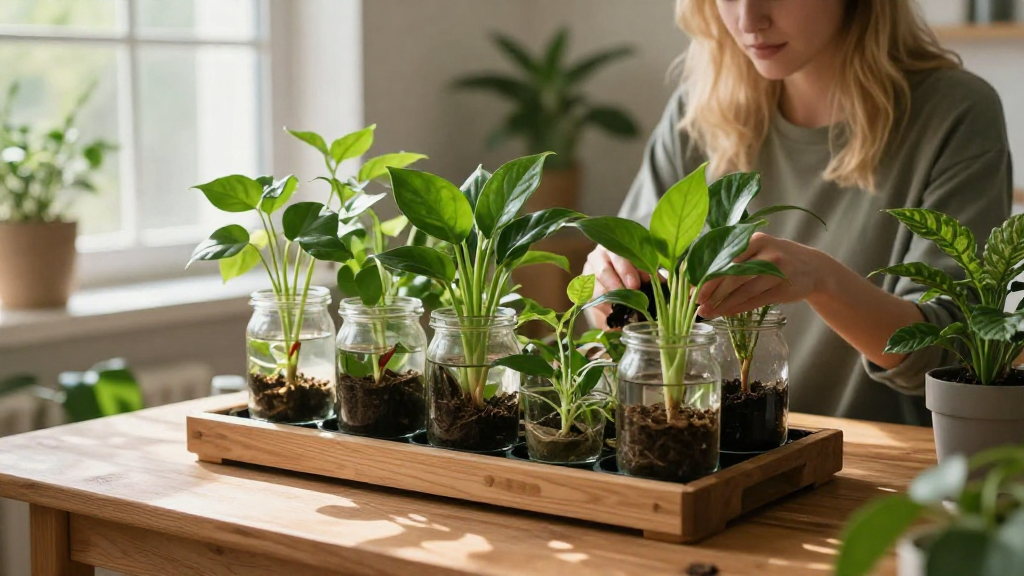
A plant propagation station is a dedicated workspace where you can root plant cuttings in water or soil.
This setup not only makes the process organized but also adds an aesthetic touch to your home decor.
Here are some benefits of having a plant propagation station:
-
Enjoy the journey of growing your plants from cuttings.
-
Save money by multiplying your existing plants.
-
Create a thriving indoor jungle by encouraging new growth.
What Materials Do You Need?
Before diving into how to create a plant propagation station, gather the necessary materials. Here’s a list of essentials:
1. Containers
You can use various containers for propagation, including:
- Glass jars
- Test tubes
- Small vases
- Seed trays
Select transparent containers for water propagation, as they allow you to observe the root development.
2. Plant Cuttings
Choose healthy cuttings from your existing plants.
Popular choices include:
- Pothos
- Philodendron
- Spider plant
- Succulents
3. Water or Soil
Decide whether you want to propagate your cuttings in water or soil.
- Water propagation works well for many houseplants.
- Soil propagation is good for succulents and other plants that prefer drier conditions.
4. Light Source
Plants need light to grow roots effectively.
Choose a spot near a window or consider using grow lights if you lack natural sunlight.
5. Nutrients (Optional)
You may consider adding liquid fertilizers to the water after roots start developing.
This can help promote stronger growth.
How Do You Choose the Right Location?
The next step in how to create a plant propagation station is finding the perfect location.
Here are some tips for selecting an ideal spot:
-
Light: Ensure the area has bright, indirect sunlight.
-
Temperature: Maintain a warm environment, ideally between 65°F and 75°F (18°C – 24°C).
-
Moisture: Avoid excessively humid areas to prevent rot but maintain some humidity.
How to Set Up Your Plant Propagation Station
With your materials and location chosen, it’s time to set up your plant propagation station.
Here’s a step-by-step guide:
1. Prepare Your Cuttings
Begin by taking healthy cuttings from your chosen plants.
-
Ensure you use clean, sharp scissors or pruning shears.
-
Make a cut just below a leaf node to encourage root growth.
2. Place Cuttings in Containers
Depending on your choice between water or soil propagation, proceed as follows:
- For Water Propagation:
- Fill your chosen container with clean water.
-
Place the cuttings in the water, ensuring that at least one node is submerged.
-
For Soil Propagation:
- Use a small pot with drainage holes filled with a well-draining potting mix.
- Make a small hole in the soil and insert the cutting, gently firming the soil around it.
3. Add Light and Care
Position the containers in your chosen location.
Monitor the light exposure and adjust as needed.
- For Water Propagation:
- Change the water every few days to keep it fresh.
-
Observe for root growth, which generally takes a few weeks.
-
For Soil Propagation:
- Water lightly, ensuring the soil remains moist but not soggy.
- Keep an eye out for signs of growth or decay.
How Long Does It Take to See Roots?
One of the most frequently asked questions regarding how to create a plant propagation station is: How long until my cuttings root?
The answer varies based on the plant type and propagation method.
-
Water Propagation: Roots can begin to show within 1 to 3 weeks for many common houseplants.
-
Soil Propagation: This may take 3 to 6 weeks for roots to establish fully.
What Are Some Common Problems?
As you embark on this journey, it’s essential to be aware of common challenges:
1. Rotting Cuttings
Rot can occur in both water and soil propagation:
- Prevention: Always ensure that cuttings are healthy and avoid letting them sit in stagnant water.
2. Insufficient Light
If your cuttings are not receiving enough light, they may become leggy or fail to grow roots:
- Solution: Move them to a brighter location or supplement with grow lights.
3. Pests
Keep an eye out for pests such as aphids or mealybugs.
If discovered, remove them immediately with water or an insecticidal soap.
How to Transfer Rooted Cuttings to Pots?
Once your cuttings have developed a healthy root system, it’s time to transfer them to pots.
Follow these steps to ensure a smooth transition:
-
Choose the Right Pot: Select a pot that is appropriate for the size of your cutting.
-
Use Quality Soil: Fill the pot with a well-draining potting mix.
-
Make a Hole: Create a small hole in the center of the pot.
-
Plant the Cutting: Gently place the rooted cutting in the hole and cover the roots with soil.
-
Water Light: Give the newly planted cutting a gentle watering, keeping the soil moist.
How to Maintain Your Propagation Station?
After successfully transferring your rooted cuttings, focus on maintaining your propagation station.
Here are several tips:
-
Regular Watering: Ensure the soil is consistently moist but never waterlogged.
-
Monitor Growth: Keep observing your plants, looking for new growth and signs of healthy leaves.
-
Fertilize: During the growing season (spring and summer), consider applying a diluted liquid fertilizer every few weeks.
Conclusion
Creating your own plant propagation station at home is an rewarding project!
Not only does it promote sustainable gardening, but it also allows you to expand your collection without spending money.
By following this comprehensive guide on how to create a plant propagation station, you can enjoy growing new plants from cuttings and enhance your indoor space with lush greenery.
Get started today, and watch your plants thrive!