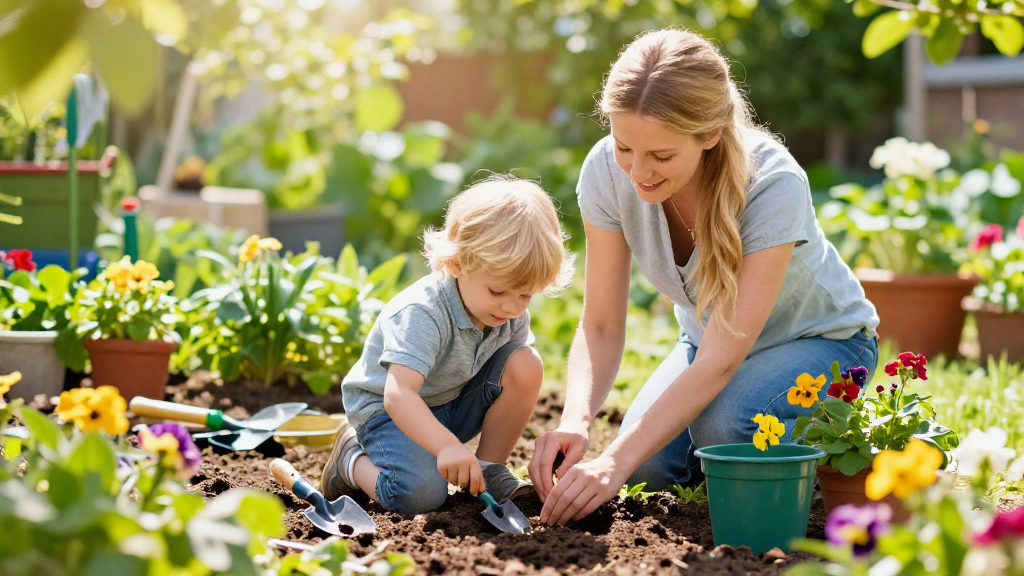
Teaching kids about gardening is a fantastic way to engage them in the great outdoors while fostering a love for nature and sustainability.
Not only does gardening provide a hands-on learning experience, it also encourages responsibility, patience, and a sense of accomplishment. So, how do you effectively convey the joys of gardening to your little ones?
What Are the Benefits of Teaching Kids About Gardening?
When pondering how to teach kids about gardening, it’s important to understand the immense benefits that can arise from this activity. Here are several key advantages:
-
Educational Value: Gardening promotes learning in areas such as biology, ecology, and nutrition. Kids learn about plant life cycles, ecosystems, and the importance of healthy eating.
-
Physical Activity: Gardening is a great way for kids to stay active. Digging, planting, and weeding can improve their physical fitness while allowing them to enjoy the fresh air.
-
Responsibility: Caring for plants teaches kids about commitment and responsibility. They learn that living things depend on them for survival.
-
Creativity: Designing a garden can stimulate creativity. Kids can experiment with different plant combinations, colors, and arrangements.
-
Connection with Nature: Gardening fosters a sense of connection to the earth and promotes environmental stewardship.
How to Get Started with Gardening for Kids
Now that you understand the benefits, you might be wondering how to teach kids about gardening in a practical way.
Here’s a step-by-step guide to getting started:
1. Choose the Right Location
-
Backyard: If you have one, this is the perfect spot. Designate a small area that’s child-friendly and easily accessible.
-
Container Gardening: If space is limited, consider using pots or raised beds. This approach allows for flexibility and can be moved if necessary.
2. Select Age-Appropriate Tasks
Different age groups can handle varying levels of responsibility. Here are some ideas based on age:
-
Toddlers: They can help with watering plants using a small watering can and placing seeds in soil.
-
Preschoolers: Let them dig holes for seeds and select plants to grow.
-
School-aged Children: They can learn about pruning, weeding, and even basic garden design.
3. Pick Kid-Friendly Plants
To keep their interest piqued, choose easy-to-grow plants that yield quick results.
Here are some great options:
-
Radishes: They germinate quickly and are fun for kids to harvest.
-
Sunflowers: These towering plants are visually exciting and attract pollinators.
-
Herbs: Basil, mint, or cilantro are simple to grow and useful in cooking.
-
Vegetables: Carrots, beans, and lettuce usually grow well and can lead to a rewarding harvest.
4. Incorporate Fun Gardening Tools
Make gardening feel like play. Kids will enjoy using tools that are just their size.
Consider investing in:
-
Kid-sized gardening spades and rakes: These tools are not only functional but also appealing to children.
-
Colorful gloves: Fun colors make the task of weeding more exciting.
-
Watering cans: Find lightweight cans with easy-grip handles for added fun.
5. Make Learning Interactive and Informative
Educating kids about gardening should be interactive and engaging.
-
Nature Scavenger Hunts: Create a checklist of plants, insects, and garden-related items that they can find.
-
Gardening Journals: Encourage kids to keep a journal to document plant growth, take notes, or draw pictures of what they see over time.
-
Weather Watching: Teach kids to observe the weather and its effects on plants. Start discussions about seasons, rain, and sunlight.
Why Use Storytelling and Art in Gardening Education?
One effective way to teach kids about gardening is through creativity.
How Can Storytelling Enhance Gardening Lessons?
Sharing stories about gardening can capture kids’ imaginations. Consider reading books about plants, gardens, and even animals and insects that live in gardens.
Creating their own garden story can encourage kids to think critically about the ecosystem.
What Role Does Art Play?
Incorporating art into gardening can make learning fun and exciting. Here’s how you can weave art into the gardening experience:
-
Garden Art: Encourage kids to create plant markers using stones or painted wooden sticks.
-
Nature Collages: After a walk in the garden, collect leaves, flowers, and other natural materials to make beautiful collages.
-
Photography: Have them take pictures of their plants throughout the season to create a visual record of growth.
How Can You Foster a Sense of Responsibility?
Responsibility can be instilled in children through consistency and nurturing during their gardening journey.
What Steps Can Kids Take?
-
Regular Watering: Assign specific days for watering so they can establish a routine.
-
Weeding: Teach them how to distinguish the difference between flowers and weeds, emphasizing the importance of keeping the garden tidy.
-
Harvesting: Allow them to pick their fruits and vegetables. It’s a great way to appreciate the effort put into gardening.
What Are Some Tips for Success?
-
Be Patient: Gardening is a long-term project. Teach kids to be patient as plants grow and develop.
-
Celebrate Successes: Acknowledge their hard work with small celebrations when something blooms or is ready to harvest.
-
Encourage Questions: Foster an environment where kids feel comfortable asking questions about what they observe in the garden.
Can Gardening Teach Life Skills?
Absolutely!
Gardening is a powerful tool for teaching essential life skills.
What Life Skills Can Kids Learn?
-
Teamwork: If you garden as a family, it can encourage collaboration and joint problem-solving.
-
Time Management: Kids learn to prioritize tasks (like planting or weeding) based on seasons and plant needs.
-
Nutrition Awareness: Kids understand where food comes from, making healthy eating choices more relatable.
How to Reflect on Progress?
Once the gardening season is over, reflect on what has been learned.
-
Discuss: Talk about what plants thrived and which didn’t and why.
-
Plan for Next Year: Discuss changes you’d like to make in the garden next year based on what they’ve learned.
In conclusion, teaching kids about gardening hands-on is an invaluable experience that nurtures their curiosity, creativity, and sense of responsibility.
By incorporating fun tools, games, and responsibilities, you can create an exciting gardening journey for your kids.
The skills learned through gardening will benefit them for years to come. By knowing how to teach kids about gardening effectively, you’re fostering tomorrow’s environmental stewards. Happy gardening!