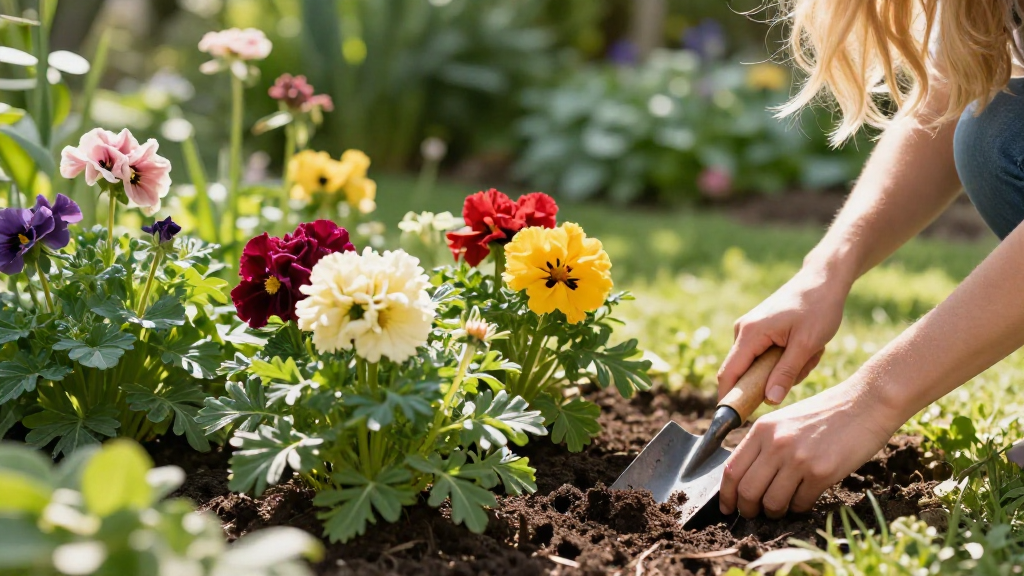
Dividing perennials can be a rewarding gardening task that promotes healthy growth while creating new plants for your garden.
In this article, we will explore how to divide perennials effectively and give you all the tips you need to ensure this process doesn’t stress your plants.
Why Should You Divide Perennials?
Dividing perennials is essential for several reasons:
- Promotes health: Overcrowded plants can compete for nutrients, leading to weakened growth.
- Improves blooming: Dividing can enhance flowering by allowing plants more room to grow.
- Multiplication: You can create new plants to fill in gaps in your garden or to share with friends.
- Rejuvenation: Old, tired plants can benefit from being divided and re-planted.
Understanding when and how to divide perennials is crucial for the health of your garden.
When Is the Best Time to Divide Perennials?
Timing plays a key role in how to divide perennials successfully.
- Spring Divisions:
- Ideal for early bloomers like daylilies and peonies.
-
Typically, the best time is when new growth begins but before they start flowering.
-
Fall Divisions:
- Best suited for late bloomers such as asters and chrysanthemums.
- Should be done about 4-6 weeks before the first frost to allow plants to settle in.
Understanding your specific perennial’s growth cycle can enhance the effectiveness of the division process.
How to Prepare for Dividing Perennials?
Preparation is half the battle when learning how to divide perennials.
Here’s how to get started:
-
Gather Your Tools:
– A sharp spade or garden fork.
– A garden hose for watering post-division.
– Mulch or compost to enrich the soil. -
Choose the Right Day:
– A cloudy day is ideal to avoid heat stress on the plants.
– Make sure the soil is moist, but not soggy. -
Watering:
– Water the perennials the day before to ensure they have enough moisture reserves.
What Steps Should You Follow to Divide Perennials?
Once you’re prepared, follow these steps for dividing your perennials:
-
Remove the Plant:
– Start digging around the plant’s root system.
– Gently lift the plant out, ensuring not to damage the roots. -
Inspect the Roots:
– Look for any signs of disease or rot.
– Healthy roots should be white and firm, while damaged roots can be trimmed away. -
Divide the Clumps:
– Use your hands or a spade to separate the clump into smaller sections.
– Aim for sections that have at least a few healthy roots and shoots (3-4). -
Replant Immediately:
– Replant the divided sections as quickly as possible to reduce stress.
– Time is of the essence in how to divide perennials successfully. -
Water and Mulch:
– Water the newly planted divisions thoroughly.
– Apply a layer of mulch to conserve moisture.
How Do You Care for Divided Perennials?
Caring for your divided perennials post-division is crucial in ensuring they adjust well to their new homes.
-
Watering:
– Keep the soil consistently moist but not overly saturated.
– This will help new roots establish. -
Fertilizing:
– Avoid heavy fertilization immediately after dividing.
– A balanced, slow-release fertilizer can be beneficial about a month after planting. -
Mulching:
– A thick layer of organic mulch can help retain moisture and suppress weeds. -
Monitor Growth:
– Keep an eye on your divided plants for any stress signs, like wilting or yellowing leaves.
– Address any problems you notice promptly.
Are There Specific Perennials That Are Easier to Divide?
Not all perennials are created equal when it comes to division.
Here are some easier to divide options:
- Daylilies: Thrive through division and can handle a variety of soil conditions.
- Hostas: Benefit from division every few years to maintain vigor and create new plants.
- Sedums: These hardy perennials are resilient and respond well to division.
- Astilbe: Known for their beautiful flowers, they quickly bounce back after division.
On the other hand, more challenging perennials, like peonies or oakleaf hydrangea, often fare better when left undisturbed.
What Common Mistakes Should You Avoid?
When learning how to divide perennials, it’s easy to make mistakes. Here are common pitfalls to avoid:
- Dividing Too Late: Waiting too long to divide can stress plants, especially if they’re already in bloom.
- Insufficient Root System: Ensure each division has a good root system to support the foliage.
- Wrong Tool Usage: Using dull or improper tools can damage the plant. Always use sharp, clean tools.
- Neglecting Soil Requirements: Each perennial has specific soil and cultural needs. Make sure to address these when replanting.
Conclusion: Mastering How to Divide Perennials
Understanding how to divide perennials is a vital skill for any gardener.
Whether you are rejuvenating your plants, creating new ones, or simply enjoying the gardening process, proper division methods enhance growth and health.
By following these straightforward steps and caring for your divisions, you can enjoy a thriving garden full of beautiful perennials for years to come.
Happy gardening!