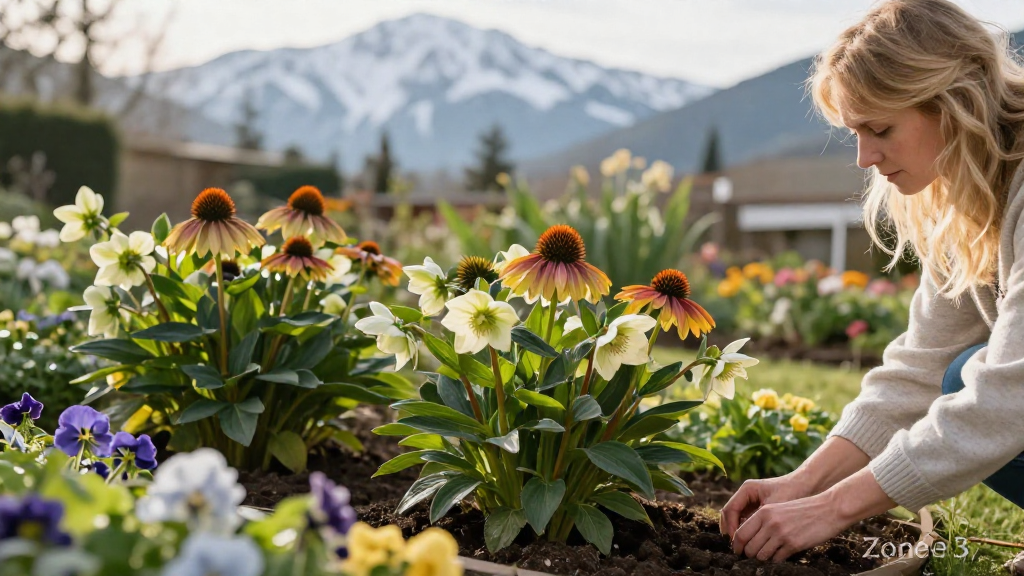
When learning how to garden in Zone 3, it’s crucial to understand the climate conditions that influence your plant choices.
Gardening in this colder climate can be a challenge, but with the right knowledge and techniques, you can cultivate a thriving garden filled with beautiful cold-tolerant plants.
What is Zone 3 and Why Does it Matter?
Zone 3 typically experiences average minimum temperatures between -30°F to -40°F (-34°C to -37°C).
This means that the growing season is much shorter compared to warmer zones, usually lasting only from late May to early September.
Understanding the specifics of Zone 3 allows gardeners to:
- Select the best cold-hardy plants
- Plan their planting schedules effectively
- Prepare for local weather events, such as early frosts
By tailoring your gardening approach to the unique challenges of Zone 3, you will not only improve plant survival but also enhance the aesthetic appeal of your garden.
How Can You Select Cold Tolerant Plants?
Selecting plants that can withstand the cold is one of the most important steps when learning how to garden in Zone 3. Here are several categories and examples of cold-tolerant plants:
1. Perennials That Thrive in the Cold
Perennials can provide beautiful blooms year after year. Some fantastic cold-hardy options include:
- Daylilies: These vibrant flowers can tolerate extreme conditions and come in various colors.
- Peonies: Renowned for their large, fragrant blooms, peonies are a must-have in any garden.
- Hostas: With their lush foliage, hostas add depth and texture to shaded areas.
2. Vegetables That Survive Frost
Growing vegetables in Zone 3 often means planting frost-resistant varieties. Here are some great options:
- Lettuce: Varieties like romaine and butterhead can survive unexpected frosts.
- Carrots: These root vegetables become sweeter when exposed to cold temperatures.
- Kale: Highly nutritious and resilient, kale can survive even the harsh winters.
3. Fruits That Love the Cold
In addition to vegetables, you can also grow fruit-bearing plants in Zone 3:
- Strawberries: These hardy perennials can survive cold winters with proper mulching.
- Raspberries: Varieties like ‘Heritage’ produce berries well into the fall.
- Apple Trees: Certain cold-tolerant apple varieties like ‘Honeycrisp’ are perfect for Northern climates.
How Should You Prepare the Soil?
Soil preparation is a critical aspect of learning how to garden in Zone 3. Here are essential steps to ensure your soil is conducive to plant growth:
1. Test Soil pH and Nutrients
Start by testing your soil pH; most plants prefer a pH range of 6.0 to 7.0.
You can purchase a simple testing kit from your local garden center.
2. Amend with Organic Matter
Enrich your soil by adding organic matter such as:
- Compost: Improves soil structure and adds essential nutrients.
- Well-rotted manure: Provides a slow release of nutrients throughout the growing season.
3. Ensure Proper Drainage
Zone 3 gardens may face waterlogging during spring thaws.
To ensure proper drainage, consider:
- Raising garden beds or planting in mounds
- Adding sand or perlite to improve drainage capabilities
When Should You Plant?
Timing is crucial when figuring out how to garden in Zone 3.
Since the growing season is limited, take these factors into account:
1. Know Your Last Frost Date
Typically, the last frost in Zone 3 occurs between late May and early June.
Plan to start seeds indoors or purchase seedlings 6-8 weeks before this date.
2. Prioritize Early Planting
Make the most of the short growing season by choosing cold-tolerant plants that can be sown directly into the garden early, such as:
- Peas: Can be sown as soon as the soil can be worked.
- Spinach: Another frost-hardy plant that can tolerate an early spring planting.
How to Maintain Your Garden?
Garden maintenance is essential for success in your Zone 3 garden. Follow these tips for optimal plant health:
1. Water Wisely
Even in cooler climates, plants still need adequate moisture.
Water deeply but infrequently, ensuring that the soil remains consistently moist but not waterlogged.
2. Mulching Matters
Apply a layer of mulch around your plants to:
- Retain soil moisture
- Block weeds
- Moderate soil temperature extremes
3. Season-End Preparations
As summer fades and autumn settles in, begin preparations for winter:
- Cut back perennials once they die back.
- Cover tender plants with frost cloth to protect them from unexpected cold snaps.
- Mulch over roots of hardy perennials to insulate against freezing temperatures.
What are Some Advanced Gardening Techniques for Zone 3?
Once you’ve mastered the basics of how to garden in Zone 3, consider implementing additional methods to enhance your gardening success:
1. Cold Frames
Using cold frames can help extend your growing season. These simple structures capture sunlight and retain heat, allowing you to start plants earlier in the spring and continue growing later into the fall.
2. Hoop Houses
For larger space gardens, constructing hoop houses will provide excellent protection against harsh weather. They create a micro-climate that can facilitate growth and prolong the harvest season significantly.
3. Succession Planting
Make the most of your short growing season by practicing succession planting, where you plant new crops every few weeks. This technique ensures a continual harvest throughout the growing season.
Conclusion: What Will Your Zone 3 Garden Look Like?
Gardening in colder climates can initially seem daunting, but with the right strategies and cold-tolerant plants, your garden can flourish.
By following the guidelines on how to garden in Zone 3, you can create a vibrant and productive space that will thrive even in the harshest of conditions.
With a little patience and experimentation, you’ll discover the joys of growing a garden uniquely suited to your local climate.
Happy gardening!