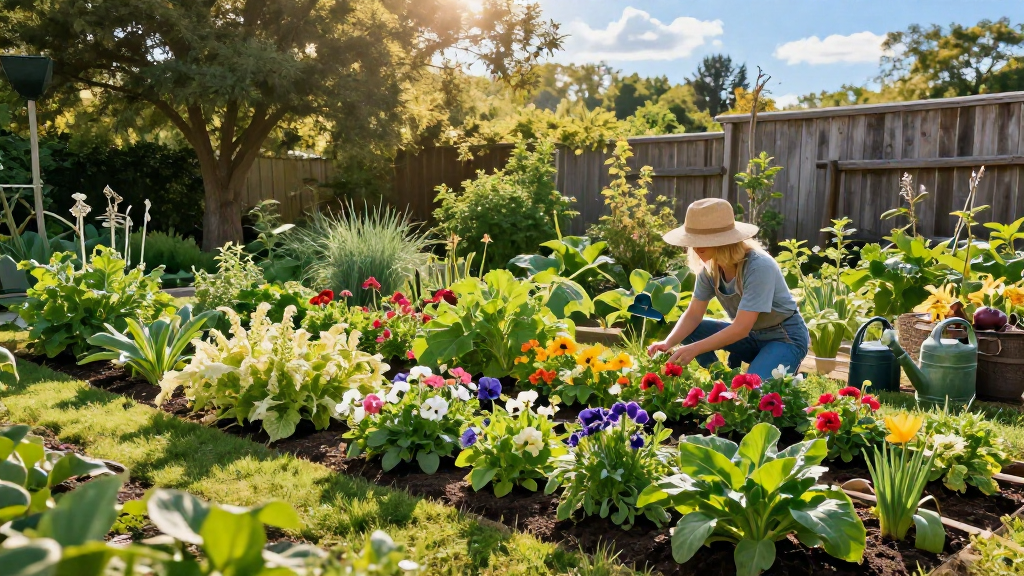
If you’ve ever wondered how to garden in Zone 5, you’re not alone. Gardening in this climate can be both rewarding and challenging. Here’s a comprehensive guide to help you navigate the year-round gardening experience in Zone 5.
What is Zone 5 Gardening?
Zone 5 is characterized by average minimum winter temperatures ranging from -10°F to -20°F (-23°C to -29°C). This USDA hardiness zone offers a mix of cool weather and warm summers, making it essential to choose the right plants, gardening techniques, and seasonal strategies when learning how to garden in Zone 5 effectively.
What Plants Thrive in Zone 5?
Knowing what to grow is crucial for successful gardening in Zone 5.
Perennials
Perennials are a great choice since they come back every year and require less maintenance. Some excellent options for Zone 5 include:
- Echinacea (Coneflower)
- Daylilies
- Hostas
- Sedum
- Peonies
Vegetables
When learning how to garden in Zone 5, choosing seasonal vegetables is vital. Here are some of the best options:
- Asparagus (though it takes a few years to establish)
- Carrots
- Broccoli
- Cabbage
- Lettuce
Annuals
For more vibrant blooms, consider these annuals:
- Marigolds
- Zinnias
- Petunias
- Sunflowers
How to Prepare Your Garden for Each Season?
Preparation is crucial for successful gardening in Zone 5.
Spring
- Start Seeds Indoors: Begin your seeds around 6-8 weeks before the last frost date, usually around mid-April.
- Soil Preparation: Test your soil pH and amend it with compost or fertilizer as needed.
- Planting Time: After the last frost, sow your cool-season crops like peas and spinach.
Summer
- Maintenance: As temperatures rise, it’s essential to:
- Water regularly
- Weeding frequently
-
Monitor for pests
-
Succession Planting: To maximize yield, consider successional planting. Sow smaller batches of seeds every few weeks for continuous harvest.
Fall
- Harvesting: Time to enjoy the fruits of your labor—harvest fruits and vegetables before the first frost.
- Preparing for Winter: After the harvest, consider:
- Mulching: Apply a thick layer of mulch to protect soil as temperatures drop.
- Cover Crops: Plant cover crops like clover to improve soil health and prevent erosion.
Winter
- Keep Gardening Indoors: While outdoor gardening may slow down, you can:
- Grow indoor herbs like basil or parsley.
-
Start a small windowsill garden with salad greens.
-
Plan for the Next Season: Winter is a perfect time to research and plan for your next gardening year. Look into new varieties or methods to try.
What Gardening Techniques Work for Zone 5?
When you understand how to garden in Zone 5, mastering specific techniques helps enhance your gardening success.
Raised Beds
Using raised beds improves drainage and warms the soil faster in spring.
- They also provide better accessibility, especially for individuals with mobility issues.
- Consider building your raised beds with rot-resistant materials such as cedar.
Mulching
Mulching keeps your soil temperature consistent and retains moisture.
- Use organic materials like shredded leaves, straw, or wood chips.
- Apply a thick layer (3-4 inches) to shield plants during colder months.
Season Extension Techniques
To maximize your growing season, consider various season extension methods.
- Row Covers: Protect plants from frost while allowing sunlight in.
- Cold Frames: Miniature greenhouses that allow you to start gardening earlier in spring and extend the fall harvest.
How to Deal with Pests and Diseases?
Understanding how to manage pests and diseases is crucial for successful gardening in Zone 5.
Regular Monitoring
By regularly checking your plants, you can catch issues early before they escalate.
- Look for signs of:
- Discoloration
- Unusual holes or spots on leaves
- Any signs of mold or rot
Organic Pest Control
When managing pests, consider organic solutions to maintain a healthy garden ecosystem.
- Neem oil for aphids and spider mites
- Diatomaceous earth for slugs and beetles
- Hand-picking larger pests like caterpillars
Disease Prevention
Prevention is better than cure; adopt strategies to minimize the risk of diseases.
- Crop Rotation: Change the location of your crops each year to prevent disease buildup.
- Resistant Varieties: Whenever possible, plant varieties known for their disease resistance.
What Are the Benefits of Gardening in Zone 5?
Understanding the advantages of gardening in Zone 5 can increase your enthusiasm and investment in this rewarding hobby.
Diverse Plant Choices
With the ability to grow both cool-season and warm-season crops, you have a broad variety to choose from.
Strong Harvest
The right plant choices and seasonal strategies allow for bountiful harvests, even in a relatively short growing season.
Community Connections
Zone 5 is home to many gardening enthusiasts. Engage with local gardening clubs or community gardens to learn more and share experiences, resources, and ideas.
Conclusion: How to Garden in Zone 5 Year-Round
In summary, mastering how to garden in Zone 5 revolves around knowing your climate, choosing suitable plants, and employing appropriate gardening techniques and seasonal strategies.
By preparing effectively for each season, addressing pest and disease issues proactively, and enjoying the benefits of your gardening efforts, you’ll find that gardening in Zone 5 can be fulfilling and productive year-round.
Happy gardening!