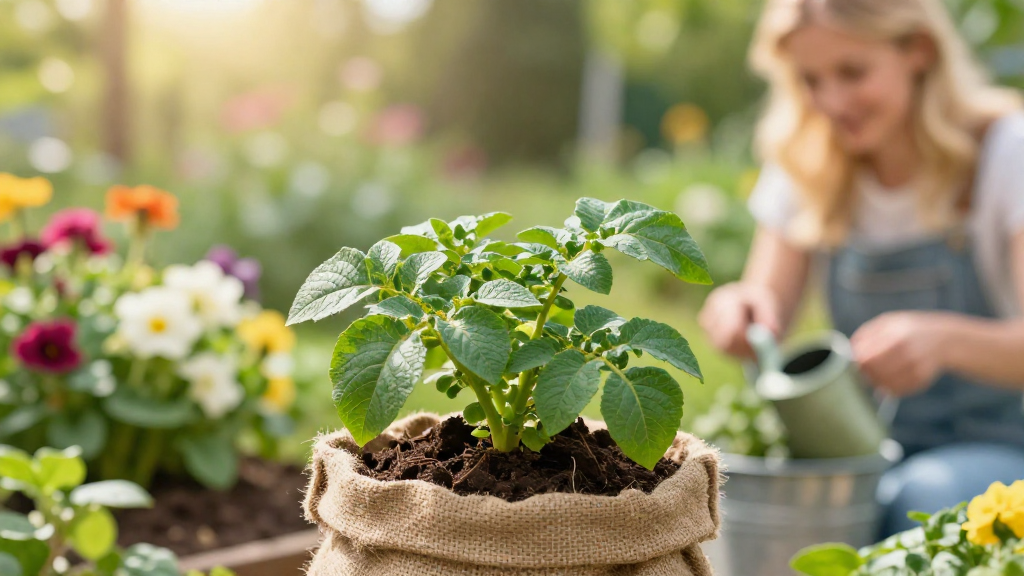
If you’re eager to learn how to grow potatoes in a bag, you’re in the right place. This method is not only accessible but also space-efficient, making it ideal for gardeners in urban settings or individuals with limited outdoor space. Whether you’re using a pot, a bucket, or a dedicated grow bag, you can enjoy fresh, home-grown potatoes with just a few simple steps.
Why Grow Potatoes in a Bag?
Growing potatoes in a bag or bucket comes with several benefits, including:
- Space Efficiency: Perfect for small gardens, patios, or balconies.
- Ease of Management: Less bending over than traditional ground planting.
- Improved Drainage: Better control over moisture levels.
- Pest Control: Higher elevation can help deter pests.
With so many advantages, it’s easy to see why many gardeners are interested in learning how to grow potatoes in a bag.
What Do You Need to Start?
Before diving into the actual planting, gather everything you’ll need. Here’s a comprehensive list of materials:
-
Container Options:
– Potatoes grow well in various containers, with the most popular being:- Grow Bags
- Buckets
- Large Pots
-
Seed Potatoes:
– Purchase certified disease-free seed potatoes from a garden center or online. -
Soil:
– Use a balanced potting mix rich in nutrients.
– A combination of garden soil, compost, and peat moss works well. -
Watering Can:
– Essential for maintaining moisture. -
Location:
– A sunny spot is crucial; potatoes need at least 6–8 hours of sunlight daily.
How to Choose the Right Potatoes?
When considering how to grow potatoes in a bag, choosing the right type of potatoes is important. Here are some types you might consider:
- Early Potatoes: These take about 70 days to mature.
- Maincrop Potatoes: These take longer, typically around 100–120 days.
- Fingerling Potatoes: Smaller varieties that mature faster and have unique flavors.
Select a variety that suits your climate and culinary needs.
How to Prepare Your Container?
Now that you’ve gathered your supplies, follow these steps on how to grow potatoes in a bag:
-
Choose the Right Size:
– Ideally, use a container that can hold at least 5 gallons of soil and has enough space for potatoes to grow. -
Create Drainage Holes:
– If using buckets or pots, be sure to drill holes in the bottom for proper drainage.
– Grow bags usually have built-in drainage. -
Add Soil:
– Fill your container with soil, leaving about 4-6 inches of space at the top. -
Mix in Fertilizer:
– Incorporate a slow-release fertilizer into the soil to provide nutrients.
When to Plant Potatoes?
Timing is crucial when you learn how to grow potatoes in a bag.
- Planting Season:
- Depending on your region, the best time to plant is usually in the spring, once the soil temperature reaches around 45°F to 50°F (7°C to 10°C).
How to Plant the Seed Potatoes?
-
Cutting Seed Potatoes:
– If your seed potatoes are large, cut them into pieces with at least one eye per piece. Let them cure for a day before planting to reduce rotting. -
Planting Depth:
– Plant the seed potatoes about 4 inches deep and 6-8 inches apart. -
Cover with Soil:
– Lightly cover them with soil and water thoroughly.
How to Care for Your Growing Potatoes?
Once you’ve planted your potatoes, consider the following care instructions for how to grow potatoes in a bag effectively.
Watering
- Ensure your potatoes receive consistent moisture.
- Water them when the top inch of the soil feels dry.
- Avoid over-watering, which can lead to rot.
Sunlight
- Place the bag in a location that receives full sunlight for most of the day.
- Rotate your bag if needed so all sides get proper sun exposure.
Fertilizing
- About every 4-6 weeks, apply a balanced fertilizer.
- Consider using organic options like fish emulsion or compost tea.
Hilling
- As the plants grow, continue to add soil or mulch around the stems, a process referred to as “hilling.”
- This encourages the development of more tubers.
How to Harvest Potatoes?
Knowing when and how to harvest is just as critical when learning how to grow potatoes in a bag.
-
Timing:
– Early potatoes can be harvested when they blossom.
– Maincrop potatoes should be left in the bag until the plant’s foliage dies back. -
Harvesting Process:
– Carefully dump the contents of the bag onto a sheet or surface.
– Sort through the soil to find the mature potatoes while minimizing damage. -
Curing and Storing:
– Place your harvested potatoes in a cool, dark place for about two weeks to cure.
– Store them in a well-ventilated area, away from light.
Troubleshooting Common Issues
While growing potatoes in bags is relatively straightforward, some issues may arise. Here’s how to troubleshoot:
- Yellowing Leaves: This may indicate nutrient deficiency; consider a fertilizer boost.
- Pests: Check for pests, especially aphids and beetles. Natural insecticides can help.
- Rotting Tuber: Ensure that you’re not over-watering and that enough drainage exists.
Conclusion
Learning how to grow potatoes in a bag can be a rewarding experience. With the right supplies, care, and attention, you can enjoy a bountiful harvest of fresh, delicious potatoes.
This practical method is perfect for novice and experienced gardeners alike.
Experiment with different varieties and watch your gardening skills flourish!
Feel free to share your experiences and tips in the comments! Happy gardening!