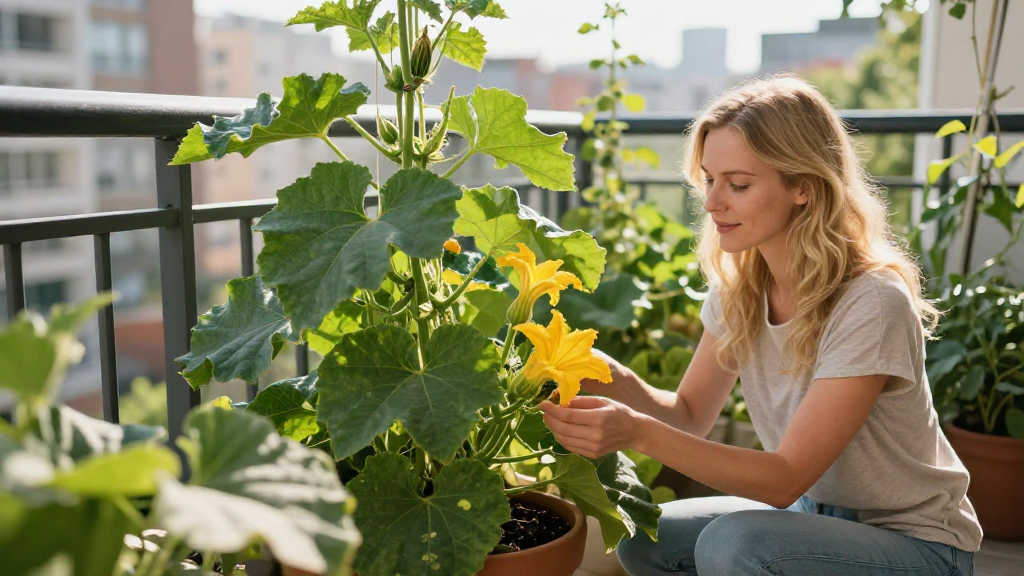
If you’re wondering how to grow squash in a limited space, you’re not alone! Many gardeners face the challenge of cultivating plants in tight areas, but with the right techniques, growing squash can be a rewarding experience.
What Type of Squash Should You Grow?
When considering how to grow squash, it’s essential to start with the right variety. Here are two main categories of squash you might consider:
-
Summer Squash: This includes varieties like zucchini and pattypan. They grow quickly and can be harvested within a few weeks of planting.
-
Winter Squash: Varieties like butternut and acorn squash take longer to mature but are great for storage and have a unique flavor profile.
Why Choose Squash for Limited Spaces?
Squash plants are not just versatile in the kitchen; they’re also adaptable in the garden.
-
Vining Varieties: Some squash, like zucchini, can be grown vertically on trellises, saving valuable ground space.
-
Compact Bush Varieties: There are bush-type squashes that occupy far less area than their vining counterparts.
Whether you prefer summer or winter squash, there’s an option that fits perfectly into your small garden.
How Much Space Does Squash Need?
One of the vital aspects of how to grow squash is understanding space requirements.
-
Spacing for Bush Varieties: Space these plants about 2-3 feet apart. They’ll spread out horizontally but won’t require much vertical space.
-
Spacing for Vining Varieties: If you’re using a trellis, you can plant them closer together, typically about 1-2 feet apart at the base.
What Supplies Do You Need?
To successfully grow squash, gather the following supplies:
-
Seeds or Seedlings: Choose organic options for the best flavor and health.
-
Containers or Raised Beds: If you’re growing in pots, make sure they are large enough (at least 5 gallons).
-
Soil: A nutrient-rich potting mix or garden soil, preferably with a pH of 6.0 to 6.8.
-
Watering Can or Hose: Squash requires regular watering, especially in dry spells.
-
Fertilizer: Use a balanced fertilizer or compost to ensure your plants receive enough nutrients.
How Do You Prepare the Soil?
Preparation of the soil is crucial when considering how to grow squash effectively.
-
Choose the Right Location: Select a sunny spot that receives at least 6-8 hours of sunlight daily.
-
Test the Soil: Check pH and nutrient levels. A soil testing kit is readily available at garden centers.
-
Amend the Soil: Incorporate organic matter like compost to boost drainage and nutrients.
-
Tilling the Soil: Turn the soil to a depth of about 12 inches to aerate and mix in the compost.
When Should You Plant Your Squash?
Timing is essential when it comes to how to grow squash successfully.
-
Zone Consideration: Know your USDA growing zone to find the proper planting times.
-
Frost Dates: Plant after the last frost date to minimize the risk of damage to seedlings.
-
Seed or Seedling: If starting from seeds, plant them about 1 inch deep and spaced out as per the guidelines for the variety.
How to Care for Your Squash Plants?
Successful squash growth depends on consistent care and monitoring. Here’s what you need to do:
Watering
-
Consistency is Key: Water squash deeply but infrequently, aiming for about 1 inch per week.
-
Avoid Watering Leaves: To prevent mildew, water at the base of the plant instead of overhead.
Fertilization
- Feed Regularly: Fertilize every four to six weeks during the growing season with a balanced fertilizer or compost tea.
Pruning
-
Encourage Growth: Remove any dead or yellowed leaves.
-
Control Size: For vining plants, pinch off the growing tips after they reach your desired height.
What Pests and Diseases to Watch For?
When learning how to grow squash, being aware of potential pests and diseases can save your harvest. Here are some common threats:
-
Squash Bugs: These pests are particularly harmful to the plant and can reproduce quickly.
-
Powdery Mildew: This fungal disease appears as a white powder on leaves.
Control Measures
-
Inspect Plants Regularly: Early detection helps manage these issues.
-
Natural Remedies: Use insecticidal soap for bugs and baking soda solution for powdery mildew.
How to Harvest Squash?
Knowing when and how to harvest your squash is crucial for successful gardening.
-
Summer Squash: Harvest them when they’re still young and tender, ideally 6-8 inches long.
-
Winter Squash: These should be harvested when they have a hard skin and the stems turn brown.
-
Cut, Don’t Pull: Use a knife or pruning shears to carefully cut the squash from the plant, leaving a short stem attached.
What Are Common Mistakes to Avoid?
To enhance your chances of success while learning how to grow squash, avoid these common pitfalls:
-
Overwatering: Too much water can lead to root rot.
-
Planting Too Early: Waiting for the right temperature is essential for seed germination.
-
Ignoring Pest Management: Regular monitoring and early treatment are key to avoiding infestations.
Conclusion: Start Growing Squash Today!
By following these guidelines on how to grow squash, you can enjoy a productive gardening season, even in limited spaces.
With just a little attention to detail and care, you’ll be rewarded with delicious homegrown squash that can delight your palate and nourish your family.
So, roll up your sleeves and get ready to dig into the rewarding world of squash gardening!