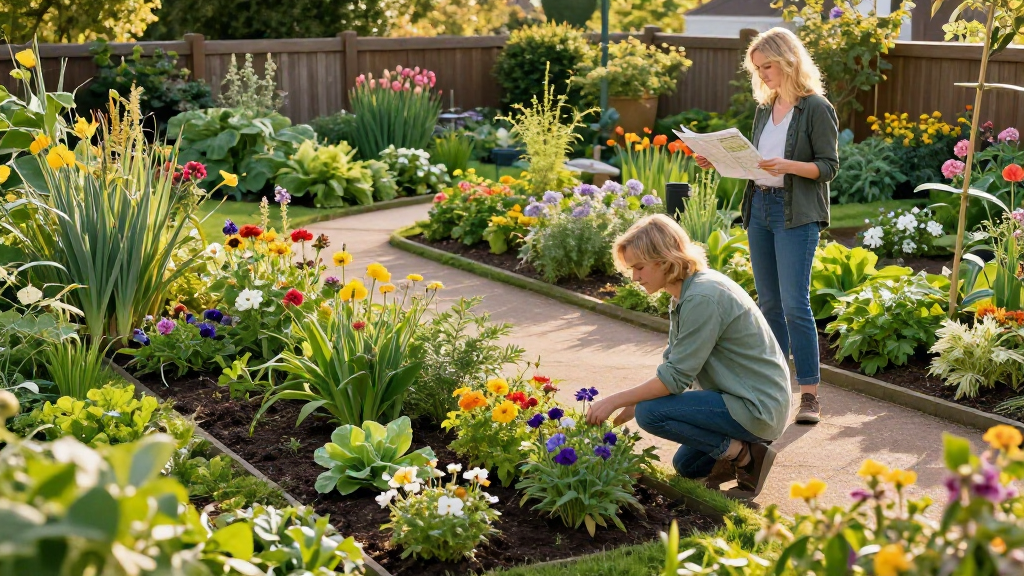
Planning a garden layout can be a daunting task for both novice and experienced gardeners alike.
However, with the right tips and techniques, you can design a stunning garden space that meets your needs and enhances your property.
What Is the Importance of Garden Layout?
The garden layout serves as the backbone of your outdoor space.
A well-planned garden layout not only maximizes the use of your land but also influences the overall health of your plants and the aesthetic appeal of your yard.
Here are several reasons why understanding how to plan a garden layout is crucial:
-
Optimized Space: Efficient use of available space ensures you get the most out of your garden.
-
Plant Health: Plants require different conditions. A good layout helps in placing the right plants together.
-
Aesthetic Appeal: A thoughtful garden design enhances visual interest and complements your landscape.
-
Enhanced Accessibility: Essential pathways make it easier to access and maintain plants effectively.
-
Microclimates: A well-planned garden layout takes into consideration the different microclimates within your yard.
How Do I Start Planning My Garden Layout?
Starting your garden planning involves several key steps to ensure that your vision materializes effectively.
Step 1: Assess Your Space
Before diving into the specifics, take a closer look at the area where you wish to create your garden.
Here are some factors to consider:
-
Location: Determine the best spots for sunlight and shade.
-
Soil Quality: Test your soil for nutrients, pH, and drainage capabilities.
-
Climate: Understand the climate zone to select suitable plants.
-
Surroundings: Note nearby trees, buildings, or fences that may impact sunlight or airflow.
Step 2: Define the Purpose of Your Garden
Understanding the purpose of your garden is essential for creating a layout that works.
Here are some common goals for gardening:
-
Food Production: Growing vegetables, herbs, and fruits.
-
Aesthetic Appeal: Creating a beautiful landscape with flowers and ornamental plants.
-
Relaxation: Designing a sanctuary or retreat space.
-
Wildlife: Attracting birds and beneficial insects.
What Are the Best Garden Layout Styles?
Once you’ve assessed your space and defined the purpose of your garden, it’s time to explore various garden layout styles.
Some popular garden designs include:
-
Formal Gardens: Characterized by symmetrical patterns, defined edges, and structured layouts. Great for creating a classic look.
-
Cottage Gardens: Informal designs with a mix of flowers and vegetables. Tends to be dense and inviting.
-
Vegetable Gardens: Utilitarian designs focused on maximizing yield. Often features raised beds and organized rows.
-
Zen Gardens: Minimalist layouts emphasizing rocks, gravel, and water. Perfect for meditation.
How Do I Create a Garden Plan?
Creating a detailed garden plan is the next step after selecting a style.
Here’s how to map out your garden effectively:
1. Sketch Your Garden Grid
Draft your garden layout on paper or use garden planning software.
Include the following:
-
Grid System: Utilize a scaled grid to represent your space accurately.
-
Key Features: Mark existing features such as trees, walkways, and buildings.
-
Design Elements: Indicate where to plant flowers, vegetables, or other landscaping items.
2. Choose Your Plants Wisely
Selecting plants that thrive in your specific climate and soil type is crucial.
Make sure to consider:
-
Sunlight Requirements: Group plants based on their light needs to ensure ideal conditions.
-
Water Needs: Plan for efficient watering by grouping plants with similar needs.
-
Growth Habits: Consider mature sizes to prevent overcrowding.
3. Plan for Pathways and Accessibility
Effective garden layouts include pathways for ease of access.
There are several options to consider:
-
Walkways: Allow for easy movement throughout your garden.
-
Barefoot Paths: Consider soft materials like mulch or grass for comfortable walking.
-
Borders: Use stones, bricks, or timber to define pathways.
What Are Common Mistakes to Avoid in Garden Layout Planning?
Avoiding common pitfalls while learning how to plan a garden layout can save you time, money, and effort.
Here are mistakes to watch out for:
-
Ignoring Sunlight: Not considering sunlight exposure can lead to plant failure.
-
Overcrowding: Planting too closely can lead to poor air circulation and increased disease risk.
-
Neglecting Soil Quality: Poor soil conditions may lead to stunted growth. Always amend soil as needed.
-
Forgetting Maintenance: Ensure your design allows for easy maintenance like weeding and harvesting.
How Can I Enhance My Garden Layout?
Once you have your garden planted, consider enhancing it further.
Ideas to elevate your garden layout include:
-
Additional Features: Incorporate seating areas, fountains, or decorative elements.
-
Vertical Gardening: Use trellises or wall planters to maximize space.
-
Seasonal Color: Choose plants that bloom in different seasons for year-round interest.
-
Lighting: Add solar path lights for safety and style during evening hours.
Conclusion: How to Plan a Garden Layout That Works
Planning a garden layout requires careful consideration and creativity.
By assessing your space, defining your goals, and exploring various layout styles, you can create a design that is both functional and beautiful.
Remember these key steps:
- Assess your space.
- Define your garden’s purpose.
- Select a garden layout style.
- Create a detailed garden plan.
- Avoid common mistakes.
- Enhance your garden after planting.
By following these guidelines on how to plan a garden layout, you’ll ensure a vibrant and thriving garden that works for you.
Happy gardening!