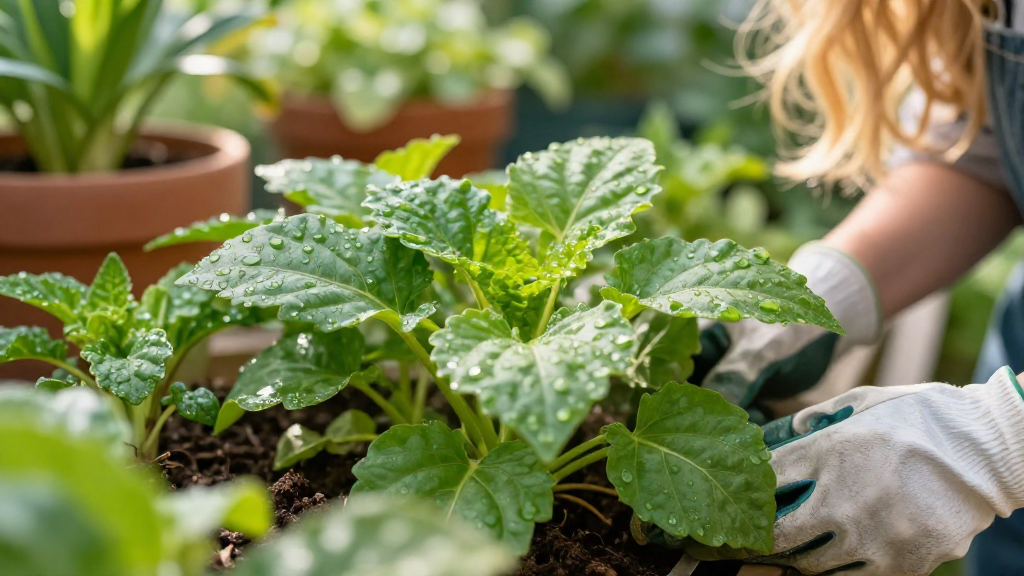
If you’re a plant enthusiast or a gardener, you might be wondering how to prevent plant fungus naturally.
What Causes Plant Fungus?
Fungi are a diverse group of organisms that thrive in moisture-rich environments.
Understanding what causes plant fungus is crucial for prevention.
Here are some common culprits:
- Excessive moisture: Over-watering or poor drainage can create a breeding ground for fungal spores.
- Humidity levels: High humidity, especially without adequate ventilation, can promote fungal growth.
- Crowded plants: Lack of airflow between plants can trap moisture and create a conducive environment for fungi.
- Debris: Organic matter can harbor fungal spores that may infect healthy plants.
How to Identify Plant Fungus?
Recognizing the symptoms of plant fungus early can make it easier to prevent further damage.
Look for these telltale signs:
- Fuzzy growths: Infected plants may develop fuzzy white, gray, or black growths.
- Discolored leaves: Yellowing or browning of leaves can indicate fungal infection.
- Wilting: Plants may wilt despite adequate watering.
- Spots or blights: Dark spots or blighted patches can be a clear indicator of fungal issues.
How to Prevent Plant Fungus Naturally?
Now that you understand the risks and signs, here’s how to prevent plant fungus naturally:
-
Choose resistant plant varieties:
When selecting plants, opt for those known for their resistance to fungal diseases.
Many varieties come with natural protective traits. -
Optimize watering practices:
Proper watering can significantly reduce the chances of fungal infections.
Consider these tips:
– Water in the morning to allow time for the moisture to evaporate during the day.
– Use a soaker hose or drip irrigation to deliver water directly to the roots. -
Improve air circulation:
Ensure that your plants have enough space between them.
This can be achieved by:
– Pruning crowded areas.
– Using stakes or trellises to guide vertical growth, promoting airflow. -
Apply natural fungicides:
Certain natural remedies can help prevent fungus.
Here are a few effective options:
– Neem oil: Known for its antifungal properties, neem oil is a popular choice among organic gardeners.
Mix with water and spray on affected plants.
– Baking soda: A simple mixture of baking soda and water can help combat powdery mildew.
Apply this solution regularly on affected areas.
– Cinnamon: This common kitchen spice has antibacterial and antifungal properties.
Sprinkle it on the soil or directly onto infected plants. -
Practice crop rotation:
When planting, rotate your crops each season to prevent fungal spores from establishing in the soil.
Different families of plants can help break the cycle of pests and diseases. -
Clean your garden tools:
Fungal spores can linger on garden tools.
Regularly disinfect your tools with:
– A bleach solution (1 part bleach to 9 parts water).
– Alcohol wipes for quick clean-ups. -
Remove debris and weeds:
Keep your garden free of organic debris and weeds, which can harbor fungal spores.
Regularly clean up fallen leaves and spent plants after the growing season. -
Implement companion planting:
Some plants can help protect each other from diseases.
Consider growing:
– Garlic: Known for its natural fungicidal properties.
– Marigolds: These flowers can deter pests and diseases, including fungal infections.
How Can Soil Health Impact Fungal Growth?
Soil health plays a crucial role in how well your plants can resist fungal infections.
To maintain optimal soil health:
- Use well-draining soil: Ensure your soil allows for adequate drainage while retaining moisture.
- Amend soil with organic matter: Adding compost or well-rotted manure improves fertility and boosts microbial activity, enhancing disease resistance.
- Adjust pH levels: Some fungi prefer acidic or alkaline conditions. Testing and adjusting soil pH can help create an environment less conducive to fungal growth.
What Maintenance Practices Help Avoid Plant Fungus?
Regular maintenance practices can go a long way in preventing plant fungus.
Here are effective strategies:
- Mulching: Apply a layer of organic mulch to suppress weeds and regulate soil moisture.
- Fertilization: Use a balanced organic fertilizer to promote healthy plant growth. Healthy plants are less susceptible to diseases, including fungal infections.
- Monitoring plants regularly: Regular inspections can help catch early signs of disease. Address any issues before they escalate.
When Should You Treat Plant Fungus?
If you notice signs of plant fungus despite your preventative efforts, take immediate action.
Identify the type of fungus affecting your plants to determine the best treatment.
If it’s a mild infection, natural remedies may suffice.
For more severe cases, consider integrating organic or chemical fungicides as a last resort.
Conclusion: Your Path to Healthy Plants
Knowing how to prevent plant fungus naturally is crucial for any gardener.
By implementing these strategies, you can create a healthy environment for your plants, keeping fungal infections at bay.
Taking proactive measures not only leads to stronger, more vibrant plants but can also enhance your overall gardening experience.
So, make it a point to regularly assess your practices and adjust as needed.
With dedication and the right knowledge, you’ll be well on your way to enjoying a lush and healthy garden, free from the worries of plant fungus.