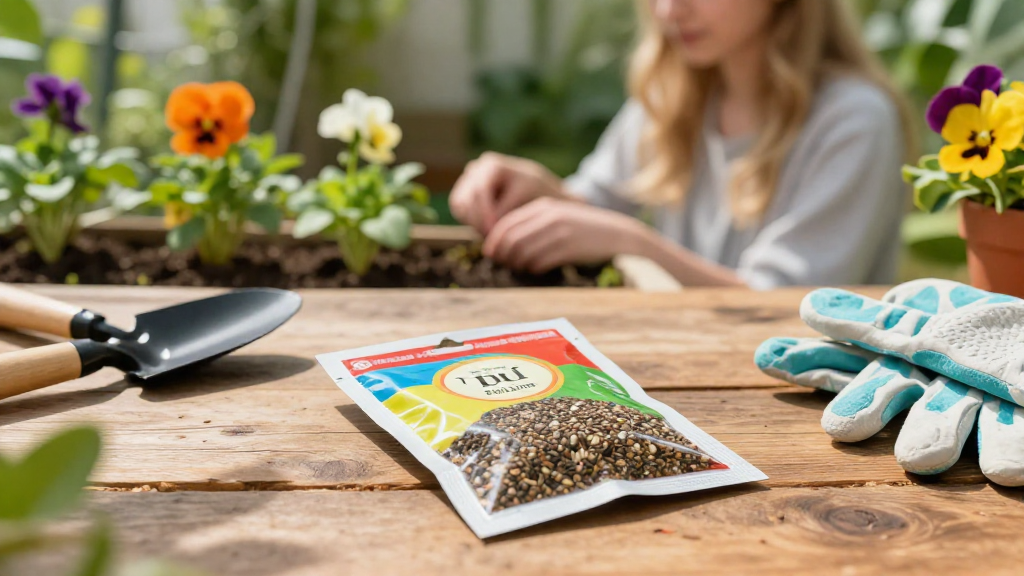
Knowing how to read a seed packet is essential for every gardener.
Understanding the information on the packet can significantly affect the success of your garden.
In this article, we’ll break down the details you need to know so you can grow your plants with confidence.
What Information is On a Seed Packet?
When you’re eager to get started with planting, the first step is understanding the information provided on the seed packet.
Here’s what you typically will find:
-
Plant Name: The common and scientific name of the plant.
-
Seed Type: This includes whether the seeds are heirloom, hybrid, or organic.
-
Growing Instructions: Essential care information such as sunlight, water requirements, and spacing.
-
Days to Germination: The average number of days it takes for seeds to sprout.
-
Days to Maturity: Indicates how long it will take from planting to harvest.
-
Planting Depth: The recommended depth to plant the seeds into the soil.
-
Seed Count: The approximate number of seeds in the packet.
-
Expiration Date: Many packets indicate how long the seeds will remain viable.
Familiarizing yourself with these details is crucial when learning how to read a seed packet effectively.
Why is the Plant Name Important?
The plant name is the first thing you should look for when you’re learning how to read a seed packet.
Knowing the common and scientific names can help you search for more information online or in gardening books.
Additionally, some plants have similar names, so being clear on the specifics can help prevent confusion.
Furthermore, understanding the intended species will assist you in preparing the right growing conditions for each variety.
What are Seed Types and Why Do They Matter?
When pondering how to read a seed packet, pay attention to the seed type listed.
Seed packets commonly include:
-
Heirloom Seeds: Open-pollinated varieties grown for generations, known for their distinct flavors and adaptability.
-
Hybrid Seeds: Crossbred for specific traits like disease resistance and uniformity. While they perform well, they may not be suitable for seed saving.
-
Organic Seeds: Produced without synthetic fertilizers or pesticides, appealing to gardeners focused on sustainability.
Knowing the type of seeds you are purchasing will help you manage expectations and determine the best care practices.
How Do Germination and Maturity Days Influence Planting?
Understanding days to germination and days to maturity is foundational to learning how to read a seed packet.
Here’s why they matter:
- Days to Germination: This is the period it takes for seeds to sprout.
If you know it takes 7 days for radish seeds to germinate, you can plan your gardening tasks accordingly.
- Days to Maturity: This describes how long it takes your plant to reach harvestable size.
For example, if a tomato plant takes 80 days to mature, and you want tomatoes by late summer, you need to start the seeds at the right time.
Planting schedules can be strategically arranged based on this information to ensure a continuous harvest.
What Do Planting Depth and Spacing Mean?
When learning how to read a seed packet, take note of the planting depth and spacing requirements.
Both are critical for your plants’ health as they grow:
- Planting Depth: The packet will indicate how deep to sow the seeds.
Generally, larger seeds need to be planted deeper than smaller seeds.
- Spacing: This indicates how far apart to place seeds or plants.
Adequate spacing ensures that plants receive enough sunlight, air circulation, and nutrients.
Ignoring these recommendations can lead to overcrowding and competition for resources, which can negatively impact growth.
Why Check the Seed Count?
Every seed packet includes a seed count, and understanding this detail is vital when beginning to learn how to read a seed packet.
Typically, seed packets will specify the following:
-
Approximate Number of Seeds: This will help you calculate how many packets you need based on your planting space.
-
Over-sowing Guidance: If you’re new to gardening, you might want to plant extra seeds to ensure that enough germinate.
Knowing the seed count helps you avoid buying more seeds than necessary and ensures you use them efficiently.
What About the Expiration Date?
Finally, keep an eye out for the expiration date on your seed packet.
Seeds can lose viability over time, and knowing when to plant is crucial:
- Check Viability: Seeds remain viable for varying lengths of time, usually a few years, depending on the type.
Expired seeds may germinate poorly or not at all.
- Fresh Seeds: For the best chance of success, use fresh seeds.
If you have older seeds, test their viability through a simple germination test before you plant.
Be aware of the expiration date not just when you’re learning how to read a seed packet, but also throughout your gardening journey.
How to Use This Information for Successful Gardening
Knowing how to read a seed packet empowers you to make informed decisions in your gardening endeavors.
Once you’ve understood how to interpret the various components of the seed packet, you can apply this knowledge in the following ways:
-
Plan Your Garden: Use the germination and maturity times to create a planting schedule that ensures continuous harvests.
-
Select the Right Seeds: Choose appropriate seeds considering your growing conditions, climate, and gardening goals.
-
Maximize Yield: Proper planting depth and spacing enables plants to thrive leading to better yields at harvest time.
-
Learn from Experience: Keep track of what works and what doesn’t based on the packet instructions and your observations.
-
Interconnect with Other Resources: Research and join community gardening groups for tips and shared experiences based on diverse seed packets.
By applying these principles, you’ll enhance your gardening experience.
In conclusion, by knowing how to read a seed packet, you can maximize your chances for gardening success.
With time and practice, you’ll cultivate a thriving garden tailored to your desires and environment. Happy planting!