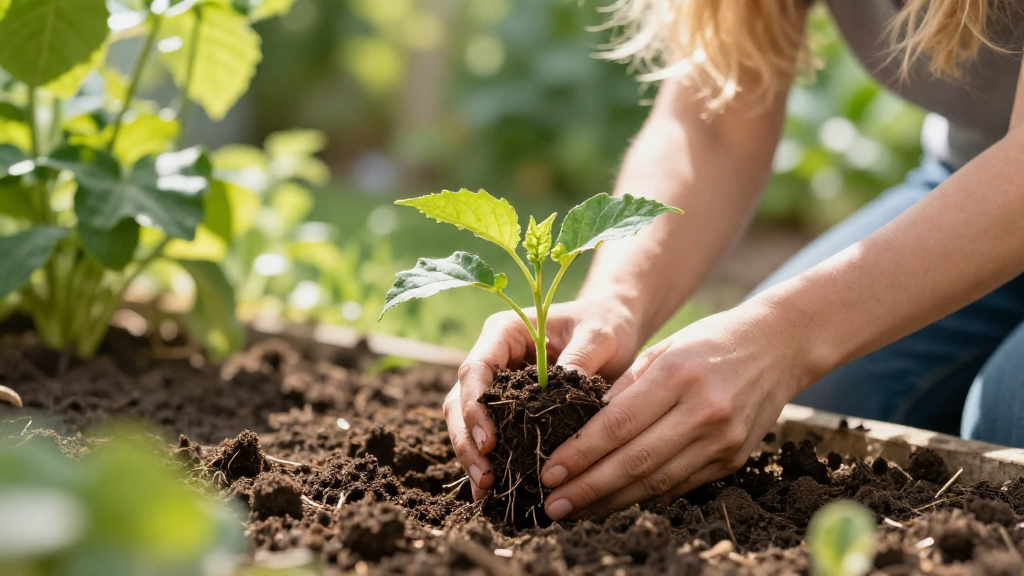
Transplanting seedlings can be a delicate process.
Knowing how to transplant seedlings without damage is crucial for their survival and growth.
What is Transplanting?
Transplanting refers to the process of moving seedlings from one location to another.
This can include potting them up into larger containers or moving them outdoors into a garden bed.
When seedlings grow too large for their initial growing environment, they often require transplanting to ensure they thrive.
Correctly handling and caring for seedlings during this process is essential to minimize stress and trauma.
Why is Transplanting Important?
Transplanting is important for several reasons:
- Space: As seedlings grow, they need more room for healthy root development.
- Nutrients: Transplanting allows access to fresh nutrients in new soil.
- Sunlight: Moving seedlings can ensure they receive adequate sunlight for photosynthesis.
- Health: It can help prevent overcrowding, which can lead to disease.
Learning how to transplant seedlings properly is not just beneficial—it is necessary for their survival and overall health!
When Should You Transplant Seedlings?
Timing is crucial when it comes to transplanting.
When should you transplant seedlings? Here are some guidelines to follow:
- Size: Transplant seedlings when they have at least two or three true leaves.
- Root Bound: If roots are growing out of the drainage holes, it’s time for a new pot.
- Stretched: Seedlings that appear tall and spindly may be searching for light and need to be transplanted.
Timing also depends on the specific type of plant.
Research your particular seedlings to determine the optimal time for transplanting.
How to Transplant Seedlings Without Damage: Step-by-Step Guide
Now that you understand the importance and timing, let’s delve into how to transplant seedlings without damage.
Here’s a step-by-step guide to ensure a successful transplant.
1. Prepare Your Materials
Before you start transplanting, gather the necessary materials:
- Containers: Choose pots that are larger than the current ones.
- Soil: Use a high-quality potting mix or garden soil.
- Watering Can: Have water ready to hydrate your seedlings after transplanting.
- Pencil or Stick: For gently loosening the soil around roots.
2. Water the Seedlings
A day before transplanting, water your seedlings thoroughly.
This helps to:
- Reduce Stress: Hydrated plants are less likely to experience shock.
- Ease Removal: Moist soil is easier to work with as it will crumble off the roots more readily.
3. Choose the Right Time
Transplant in the early morning or late afternoon to lessen sun exposure.
Doing so prevents stress on the seedlings due to heat.
Avoid windy days, as gusts can damage delicate seedlings.
4. Remove Seedlings Carefully
When removing seedlings, take care to handle them gently:
- Loosen the Soil: Use a pencil or stick to gently break apart the soil around the roots.
- Grasp by the Leaves: Always handle seedlings by their leaves, not the stems—this minimizes damage.
- Don’t Pull: If seedlings resist coming out, add a little more water to loosen the soil.
5. Prepare the New Containers
Fill your new pots with moist potting mix.
Create a small hole in the center deep enough to accommodate the roots.
6. Transplant with Care
Once you have prepared your new containers, it’s time to transplant:
- Position the Seedling: Place the seedling into the hole, ensuring the root ball is fully covered with soil.
- Tamp Down: Gently press the soil around the base of the seedling to remove air pockets.
- Water Thoroughly: Immediately water the newly transplanted seedlings to help them settle.
7. Create an Optimal Environment
After transplanting, providing the right conditions is vital:
- Light: Ensure they get the appropriate amount of sunlight based on their needs.
- Temperature: Keep them in a controlled environment, ideally at the same temperature as before.
- Humidity: If necessary, increase humidity using a plastic dome or misting.
How to Care for Newly Transplanted Seedlings
After the transplanting process, care is crucial to ensure the seedlings adjust without damage.
Here are some helpful tips:
- Monitor Moisture: Keep the soil consistently moist but not soggy.
- Avoid Fertilizers Immediately: Give the seedlings time to recover before introducing fertilizers.
- Check for Pests: Keep an eye out for pests while they are adjusting to their new environment.
Common Mistakes to Avoid
Even with the best intentions, mistakes can happen.
Here’s a list of common pitfalls to watch out for while transplanting:
- Transplanting at the Wrong Time: Ensure that your seedlings are ready and not too young.
- Using Poor Soil: This can lead to nutrient deficiencies.
- Not Watering After Transplanting: It’s crucial for helping seedlings adapt.
- Planting Too Deep: Make sure not to cover too much of the stem.
Conclusion
Understanding how to transplant seedlings without damage is essential for gardeners looking to nurture their plants.
By following these steps and guidelines, you can promote healthy growth and ensure your seedlings thrive in their new environment.
Remember to prepare adequately, handle seedlings with care, and create a suitable environment for their adjustment.
With patience and practice, you’ll become proficient at transplanting seedlings, ultimately leading to a flourishing garden. Happy gardening!