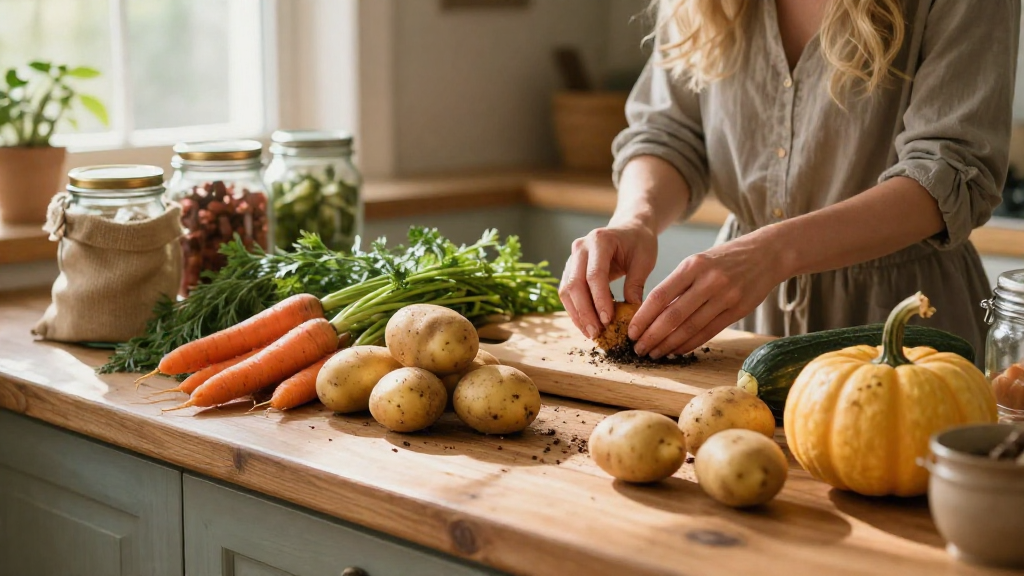
Storing your produce can be a challenge, especially if you don’t have a root cellar.
However, learning how to store harvested vegetables effectively can prolong their freshness and shelf life.
In this article, we will cover practical methods and tips on how to store harvested vegetables, ensuring you enjoy them long after they’ve been picked.
Why Is Proper Storage Important?
Understanding how to store harvested vegetables is crucial for several reasons:
-
Nutritional Retention: Proper storage helps retain the vitamins and minerals in your vegetables.
-
Food Waste Reduction: It minimizes spoilage and waste, allowing you to utilize your entire harvest.
-
Cost-Effective: Storing vegetables effectively reduces the need for frequent grocery trips, saving you money.
What Are the Best Conditions for Storing Vegetables?
To successfully store harvested vegetables, consider these environmental factors:
-
Temperature: Most vegetables prefer a cooler environment. Ideally, store them between 32°F and 50°F.
-
Humidity: High humidity helps keep vegetables from drying out. Aim for a humidity level of around 90-95% for leafy greens and lower for root vegetables.
-
Airflow: Proper airflow prevents the buildup of moisture, reducing the risk of mold and decay.
How Can You Store Different Types of Vegetables?
Different vegetables require different storage methods. Here’s a guide on how to store harvested vegetables based on their types:
Leafy Greens
Examples: Lettuce, spinach, kale
-
Wash but Dry: Wash the leaves, then dry them thoroughly to prevent decay.
-
Store in Bags: Place them in a perforated plastic bag. This allows airflow and retains moisture.
-
Fridge Storage: Keep them in the crisper drawer of your refrigerator.
Root Vegetables
Examples: Carrots, potatoes, turnips
-
Wash and Peel: Clean them gently but avoid peeling until you are ready to eat, as the skin helps protect them.
-
Use Sand or Sawdust: For longer storage, submerge root vegetables in moist sand or sawdust. This maintains humidity without excessive moisture.
-
Cool, Dark Place: Store them in a cool, dark area to prevent sprouting and spoilage.
Squash and Pumpkins
Examples: Butternut squash, acorn squash
-
Cure First: Allow freshly harvested squash to cure in a warm area for 1-2 weeks. This hardens the skin and extends storage life.
-
Airtight Containers: Once cured, store them in a cool, dark environment. You can use vented baskets for better airflow.
Tomatoes
-
Don’t Refrigerate: Storing tomatoes in the fridge affects their taste and texture.
-
Countertop Storage: Keep them at room temperature, stem side up, away from direct sunlight.
-
Check for Ripeness: Store unripe tomatoes in a paper bag to expedite ripening.
What Are the Best Storage Solutions?
Knowing how to store harvested vegetables is essential; however, using the right tools can enhance your efforts. Here are some effective storage solutions:
-
Plastic Containers: Stackable containers with ventilation can save space and keep veggies fresh.
-
Glass Jars: Great for herbs or smaller veggies, glass jars also help to control humidity.
-
Turnip Boxes and Crates: These allow for efficient stacking and airflow for root vegetables.
Can You Preserve Harvested Vegetables?
If you have a bumper crop and are concerned about spoilage, consider these preservation methods:
Freezing
-
Blanching: Quickly blanch vegetables in boiling water to preserve color and nutrients before freezing.
-
Freeze in Batches: Use freezer-safe bags with as much air removed as possible.
-
Label: Clearly label each bag with the contents and date for easy identification.
Canning
-
Choose the Right Equipment: A pressure canner is essential for safe canned vegetables.
-
Follow Recipes: Always use tested recipes to ensure safety and quality of canned produce.
-
Seal and Store: Store processed jars in a cool, dark area away from strong odors.
Fermenting
-
Lacto-Fermentation: This method improves shelf life and adds beneficial probiotics.
-
Use a Fermentation Kit: Consider using a fermentation kit for beginners to simplify the process.
What Common Mistakes Should You Avoid?
Even seasoned gardeners can make mistakes when it comes to storage. Be aware of the following pitfalls:
-
Wrong Temperature Settings: Storing vegetables at incorrect temperatures can lead to spoilage.
-
Neglecting Airflow: Failing to allow proper airflow can lead to rot and decay.
-
Ignoring Vegetables’ Needs: Every vegetable is different; treating them all the same may lead to quicker spoilage.
When Should You Check Stored Vegetables?
It’s important to routinely check your stored vegetables to ensure everything is in good condition.
-
Bi-weekly Checks: Inspect your veggies every two weeks for signs of decay or spoilage.
-
Remove Spoiled Produce: Immediately remove any vegetable showing signs of deterioration to prevent others from spoiling.
-
Adjust Conditions as Needed: If you notice issues, consider adjusting the environment or storage method.
In Conclusion
Knowing how to store harvested vegetables effectively can make a significant difference in preserving your produce. Whether you’re dealing with leafy greens, root vegetables, or squashes, understanding their unique needs is essential.
Utilizing different storage techniques, monitoring conditions, and avoiding common pitfalls will help ensure your harvest lasts longer.
With a little care and attention, you can enjoy your homegrown vegetables throughout the season and beyond. Happy storing!