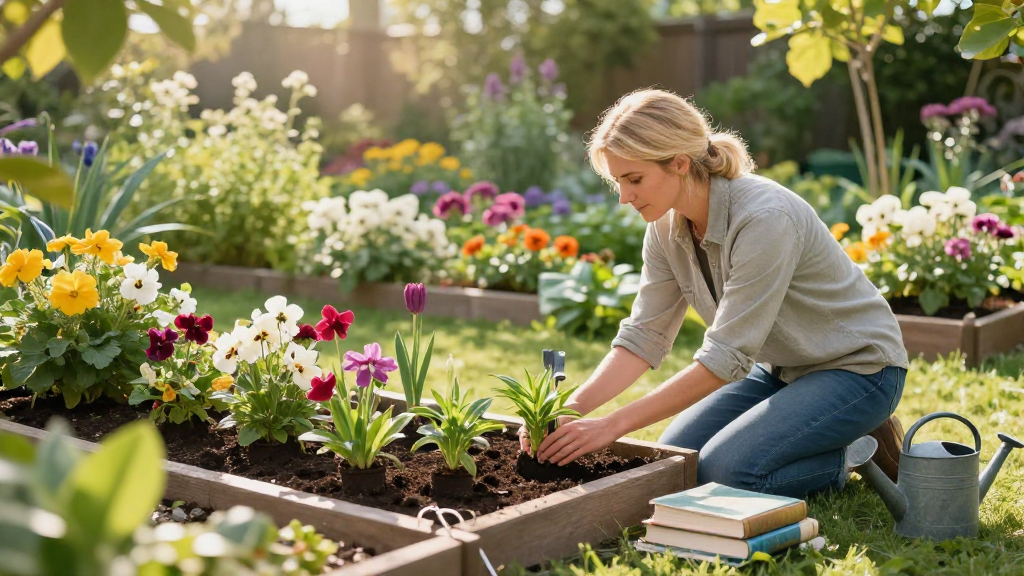
Are you passionate about gardening and eager to share your knowledge with others? Knowing how to teach others to garden can empower your friends, family, or community members to grow their own food, beautify their spaces, and connect more deeply with nature. This article will guide you through step-by-step methods to effectively teach others how to harness the joys of gardening.
What are the Benefits of Teaching Gardening?
Teaching others to garden offers numerous benefits, not just for those learning but also for those teaching. Here are a few key benefits:
- Connection with Nature: Gardening fosters a deeper relationship with nature and the environment.
- Health Benefits: Gardening is a physical activity that promotes health and wellness.
- Sustainable Practices: Teaching gardening encourages sustainable practices and environmental awareness.
- Sense of Accomplishment: Watching plants grow and thrive instills a sense of achievement in new gardeners.
How Can You Prepare to Teach Gardening?
Preparation is key to effectively convey your gardening knowledge. Here’s how to prepare:
-
Assess Your Audience: Understand the background of the individuals you’ll be teaching. Are they complete beginners or do they have some gardening experience?
-
Gather Resources: Collect books, articles, videos, and brochures about gardening techniques and plant care to share with your students.
-
Plan the Curriculum:
– Introductory session: Cover basic concepts and terminology.
– Hands-on activities: Include practical lessons like seed sowing and soil preparation.
– Follow-up sessions: Plan for ongoing support and advanced topics. -
Choose the Right Location: Select a suitable environment for gardening activities — it can be your backyard, a community garden, or even a classroom setting if necessary.
What Should You Teach First?
When learning how to teach others to garden, start with the fundamentals. Here are the essential topics to cover initially:
1. Understanding Soil and its Importance
- What is Soil Composition?: Teach about the different soil types (sand, silt, clay) and their benefits.
- Soil Testing: Show students how to test the pH level and nutrient content of their soil.
- Soil Amendments: Discuss the addition of organic matter like compost to improve soil quality.
2. Choosing the Right Plants
- Consider the Climate: Explain how climate affects what can be grown in a garden.
- Choosing Native Plants: Introduce them to the concept of planting native species that require less water and are more resilient.
- Seasonal Gardening: Discuss the benefits of planting according to the changing seasons.
3. Basic Gardening Techniques
- Seed Starting: Demonstrate the methods of starting seeds indoors and transplanting them outdoors.
- Watering Practices: Teach the importance of proper watering techniques, including timing and methods like drip irrigation.
- Pest Management: Educate on integrated pest management (IPM) approaches that are safe and effective.
How Can You Make Learning Fun?
Engaging your students is crucial for effective learning. Here are some fun activity ideas:
Hands-On Workshops
- Planting Parties: Organize group activities where everyone can plant seeds or transplants together.
- Garden Tours: Take field trips to local gardens or botanical exhibits.
Interactive Discussions
- Q&A Sessions: Set aside time for questions and discussions about common gardening challenges.
- Success Stories: Encourage participants to share their success stories or failures to foster a learning environment.
Visual Aids and Tools
- Use charts and images to illustrate concepts.
- Provide samples of different soil types or pest-management techniques to enhance understanding.
How to Create a Supportive Community?
Building a supportive community can increase motivation and success among new gardeners. Here are some ideas:
- Garden Clubs: Start or join a local gardening club to foster peer support and networking.
- Online Groups: Create or participate in social media groups or forums for continuous learning and sharing.
- Regular Meet-ups: Schedule regular gardening meetups for ongoing support and motivation.
How Can You Evaluate Progress?
To ensure the effectiveness of your gardening lessons, implement a way to evaluate progress:
- Feedback Surveys: Create a simple survey to collect opinions on what worked and what could improve.
- Demonstrate Skills: Have students demonstrate their gardening skills on a specific task after several sessions, like planting or pest management.
- Progress Sharing: Organize check-ins to discuss plant growth and progress, celebrating successes together.
What Resources Can Assist in Teaching Gardening?
To enhance your teaching of how to teach others to garden, consider utilizing various resources:
- Books and Guides: Recommend beginner gardening books or local gardening resources.
- Online Courses: Suggest reputable online gardening courses or YouTube channels.
- Local Extension Services: Connect with your local agricultural extension office for facts, classes, and support.
Conclusion
Learning how to teach others to garden is a rewarding journey that benefits both the teacher and the students. By starting with fundamental knowledge, creating interactive and enjoyable learning experiences, and fostering a supportive community, you can effectively share your passion for gardening with others. Remember, the skills you impart will not only help others to grow plants but also cultivate an appreciation for the environment and sustainable practices.
So grab your gardening tools and start your teaching adventure today! Your experience may very well spark a new passion for gardening in someone else. Happy gardening!