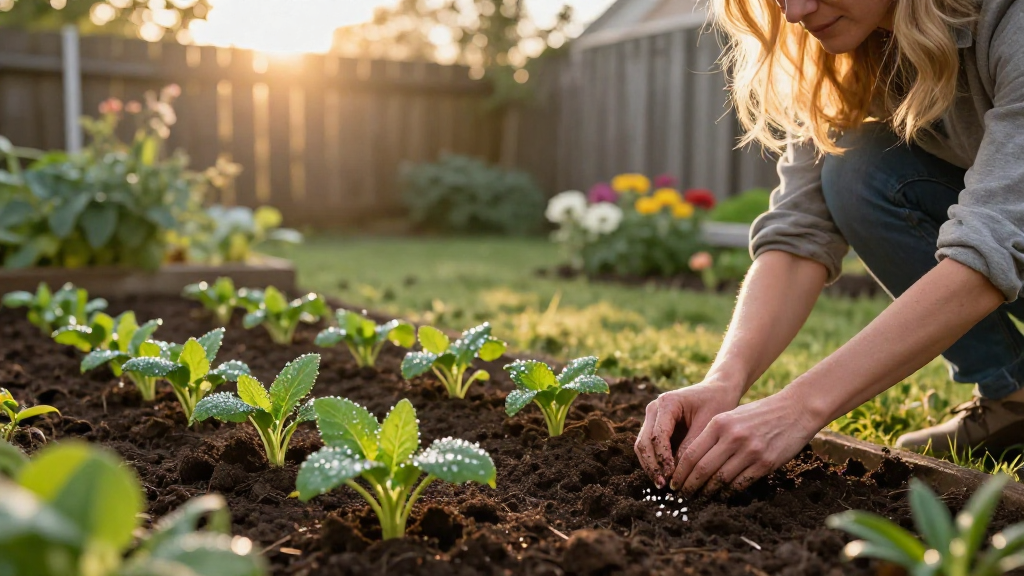
Are you wondering how to start a garden from scratch? Gardening is a rewarding hobby that not only beautifies your space but also offers fresh produce and herbs at your fingertips.
In this guide, we will cover everything you need to know to kick start your gardening journey, from selecting the right location to nurturing your plants into maturity.
Why Start a Garden?
Creating a garden can provide numerous benefits:
-
Fresh Produce: Enjoy fresh vegetables, fruits, and herbs right from your backyard.
-
Physical Activity: Gardening is a great way to get exercise while connecting with nature.
-
Mental Health: Spending time outdoors and tending to plants can help reduce stress and anxiety.
-
Environmental Impact: Gardens can improve air quality and attract beneficial wildlife, such as bees and butterflies.
Now that you know the benefits, let’s dive into how to start a garden successfully!
What Do You Need to Start a Garden?
Before we jump into the specifics of how to start a garden, it’s essential to gather the necessary supplies. Here’s a list of basic items you will need:
-
Gardening Tools: Hand trowel, rake, hoe, pruners, and gloves.
-
Seeds or Plants: Choose from vegetables, fruits, or flowers based on your climate and preferences.
-
Quality Soil: Look for loamy soil with good drainage, and consider adding organic matter for nutrients.
-
Fertilizer: Organic fertilizers or compost can help provide essential nutrients.
-
Water Source: Ensure you have access to a hose or watering can for your plants.
Where Should You Start Your Garden?
Choosing the right location is crucial. When figuring out how to start a garden, consider the following:
-
Sunlight: Most plants require 6-8 hours of sunlight daily. Look for a spot that gets ample sun exposure.
-
Drainage: Avoid low-lying areas that retain water. Good drainage is key to plant health.
-
Accessibility: Make sure your garden is easily reachable for watering, weeding, and harvesting.
How to Prepare the Soil for Your Garden?
Once you’ve picked a spot, it’s time to prepare the soil. Here’s how to start a garden with a focus on soil preparation:
-
Clear the Area:
– Remove any grass, weeds, or debris. -
Test the Soil:
– Consider a soil test kit to assess pH and nutrient levels. Aim for slightly acidic to neutral soil (pH 6.0-7.0). -
Loosen the Soil:
– Use a garden fork or tiller to aerate the soil. This encourages root growth. -
Mix in Organic Matter:
– Add compost, well-rotted manure, or peat moss to enhance fertility and structure.
What Should You Plant in Your Garden?
Choosing the right plants is critical. When determining how to start a garden, consider:
-
Climate: Choose plants suited for your region’s climate. Research hardiness zones to find suitable plants.
-
Seasonality: Select plants that are in season for your gardening timeframe.
-
Companion Planting: Some plants grow better together. For instance, tomatoes thrive alongside basil.
Here’s a quick list of beginner-friendly plants:
-
Vegetables: Lettuce, radishes, carrots, and green beans.
-
Fruits: Strawberries, raspberries, and tomatoes.
-
Herbs: Basil, cilantro, and parsley.
How Should You Plant Your Seeds or Seedlings?
Now that you’ve selected your plants, it’s time for planting. Follow these steps to ensure a successful sowing:
-
Follow Packet Instructions:
– Seeds come with planting depth and spacing guidelines. Adhere strictly to these. -
Create Rows or Beds:
– For larger gardens, create raised beds or define rows to plant. -
Water Gently:
– After planting, use a watering can or hose with a gentle spray to moisten the soil without washing away seeds. -
Mulch Appropriately:
– Apply a layer of mulch to retain moisture and suppress weeds.
How to Care for Your Garden?
Understanding how to start a garden also involves maintenance. Here’s how to keep your garden thriving:
1. Water Regularly:
- Water deeply and less frequently to encourage deep roots. Early morning watering is best to minimize evaporation.
2. Weed Frequently:
- Keep your garden area free from weeds that compete for nutrients and water. Hand-pulling or using a hoe works best.
3. Fertilize When Necessary:
- Follow up with organic fertilizer every 4-6 weeks, especially for flowering plants.
4. Monitor for Pests and Diseases:
-
Inspect your plants regularly for any signs of trouble and take action promptly.
-
You could also introduce beneficial insects like ladybugs or bees to help control pests naturally.
When is the Right Time to Harvest?
Knowing when to harvest is crucial for a successful gardening experience. Here’s how to determine the right timing for your crops:
-
Vegetables: Harvest when they reach a mature size, but don’t wait too long as they can become tough.
-
Fruits: Pick fruits when they are fully colored and slightly soft to the touch.
-
Herbs: Harvest leaves regularly to encourage growth and prevent flowering.
What Can You Do After the Harvest?
After the rewarding experience of harvesting, consider the following:
-
Preserve Your Bounty:
– Canning, freezing, or drying your harvest is a great way to make it last. -
Reflect and Learn:
– Assess what worked and what didn’t. Make notes in a garden journal for future reference. -
Prepare for Next Season:
– Begin planning your next garden now, considering crop rotation to keep your soil healthy.
Conclusion: Ready to Start Your Garden?
With this guide on how to start a garden, you are well-equipped to embark on your gardening adventure.
Remember, gardening is a journey filled with learning experiences.
Embrace the process, enjoy the fruits of your labor, and connect with nature in a meaningful way.
Happy gardening!