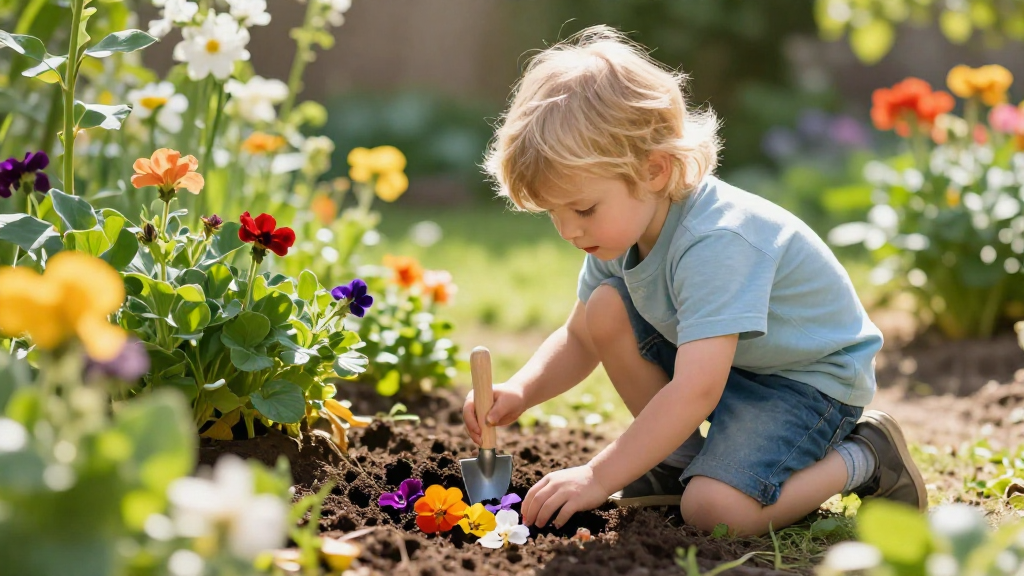
Gardening can be an exciting and educational journey, especially when you learn how to garden with kids.
This article will explore various ways to make gardening a fun and enriching experience for children while fostering a love for nature.
Why Is Gardening Important for Children?
Gardening offers numerous benefits for kids, including:
- Physical activity: Digging, planting, and weeding can help improve their strength and coordination.
- Environmental awareness: Kids learn about ecosystems and the importance of caring for the planet.
- Responsibility: Taking care of plants teaches responsibility and the value of nurturing living things.
- Patience: Gardening encourages children to wait for their seeds to sprout and grow.
- Creativity: Designing garden layouts fosters creativity and critical thinking.
When you understand the importance of gardening, you can effectively teach your children how to garden with kids.
What Are Some Simple Gardening Projects for Kids?
To start them on their gardening adventure, choose simple projects that will captivate their interest. Here are a few ideas:
-
Container Gardens:
Use pots or recycled materials like old buckets or tin cans. Kids can plant flowers, herbs, or vegetables, creating a small, manageable garden. -
Mini Herb Garden:
Choose easy herbs like basil, mint, or parsley. These require minimal space and care, making them great for kids to nurture. -
Seed Bombs:
Teach kids how to make seed bombs by mixing seeds with clay and compost. They can throw these bombs in empty lots or their own yard, promoting beautification and ecological balance. -
Butterfly Garden:
Plant flowers that attract butterflies and teach your children about the life cycle of butterflies, enhancing their appreciation for nature. -
Vegetable Patch:
Let them choose their favorite vegetables to grow. This could involve carrots, tomatoes, or radishes, making it a thrilling project as they watch their food grow.
How Can We Make Gardening Fun for Kids?
To ensure that kids remain engaged while learning how to garden with kids, consider these fun strategies:
-
Create a Garden Journal:
Encourage them to document their gardening journey. They can draw plants, write about their growth, and share what they learn. -
Incorporate Games:
Make gardening a fun experience by turning tasks into games. For example, organize a scavenger hunt for specific plant parts or tools. -
Use Colorful Tools:
Invest in bright-colored child-sized tools. The appeal of colorful equipment may encourage kids to participate more willingly. -
Gardening Music:
Play catchy tunes while gardening. Singing to plants can be entertaining and make the experience joyful. -
Team Up with Nature Education:
Incorporate lessons about insects, plants, and the environment. You can read books about gardening and nature, enhancing their knowledge alongside practical experiences.
What Tools Are Essential for Kids in Gardening?
To effectively teach how to garden with kids, ensure you have the right tools:
-
Child-sized Watering Cans:
Those with a comfortable grip are perfect for small hands. -
Gardening Gloves:
It is essential to protect their hands while planting and pulling weeds. -
Mini Shovels and Rakes:
Small tools will help them dig, weed, and cultivate their plants without overwhelming them. -
Garden Markers:
Let them label their plants with colorful craft sticks. Labels create a sense of ownership and help them learn plant names. -
Planting Kits:
Numerous companies offer starter kits designed for children, containing seeds, pots, and instructions.
When is the Right Time to Start Gardening with Children?
Timing plays a crucial role in teaching kids how to garden with kids effectively. Consider the following:
-
Spring:
Spring is usually the best time to start gardening. The weather is pleasant, and plants thrive during this season. It’s an ideal time to sow seeds and engage kids with outdoor activities. -
Fall:
This season can also provide an opportunity. It’s perfect for planting garlic or bulbs as kids can see them bloom in spring. Additionally, it teaches about seasonal changes. -
During Summer:
Some vegetables, like beans or zucchini, grow quickly, providing a sense of accomplishment before school starts again.
How Do We Teach Kids About Nature Through Gardening?
Here’s how to teach kids about nature while how to garden with kids:
-
Discuss Ecosystems:
Talk about how plants impact animals, insects, and humans. Explain the relationship between pollinators and plants, underscoring their crucial role in our environment. -
Explore Soil Health:
Teach kids about healthy soil and its importance in growing plants. You can even conduct a mini-science experiment by comparing different soil types and their effects on plant growth. -
Observe Wildlife:
Encourage children to observe and note any insects or animals they see in the garden. Discuss their roles and contributions to the ecosystem. -
Learn About Sustainability:
Teach kids about minimizing waste and using materials responsibly. Show them how composting works, and involve them in creating compost bins. -
Incorporate Art:
Let kids express their gardening experiences through art. They can create nature-inspired drawings or craft sculptures from natural materials found in your garden.
What Are Some Fun Gardening Activities for Kids?
Engaging children through a variety of activities keeps the gardening experience enjoyable and educational. Here are some activities to try:
-
Plant Walking:
Take walks to local parks or botanical gardens. Allow children to observe and identify different plant species. They can even sketch what they see in their gardening journal. -
Nature Crafts:
Use natural materials like leaves, flowers, and twigs to create art projects, enhancing their creativity while connecting them with nature. -
Cooking with Kids:
Use vegetables harvested from their garden for family cooking sessions. This allows them to see the full cycle, from seed to table, making gardening feel valuable. -
Nature Scavenger Hunt:
Create a list of items they can find in the garden or park, such as specific types of leaves or flowers. This promotes exploration and curiosity.
Conclusion
Learning how to garden with kids can be both enjoyable and educational. With the right projects, tools, and strategies, you can kindle a love for nature in children.
Incorporating fun activities and teaching them essential life skills will create lasting memories for both you and your kids. As you instill a sense of responsibility and care for the environment, you are contributing to the future of our planet.
Get started today, and watch your children flourish alongside your garden!