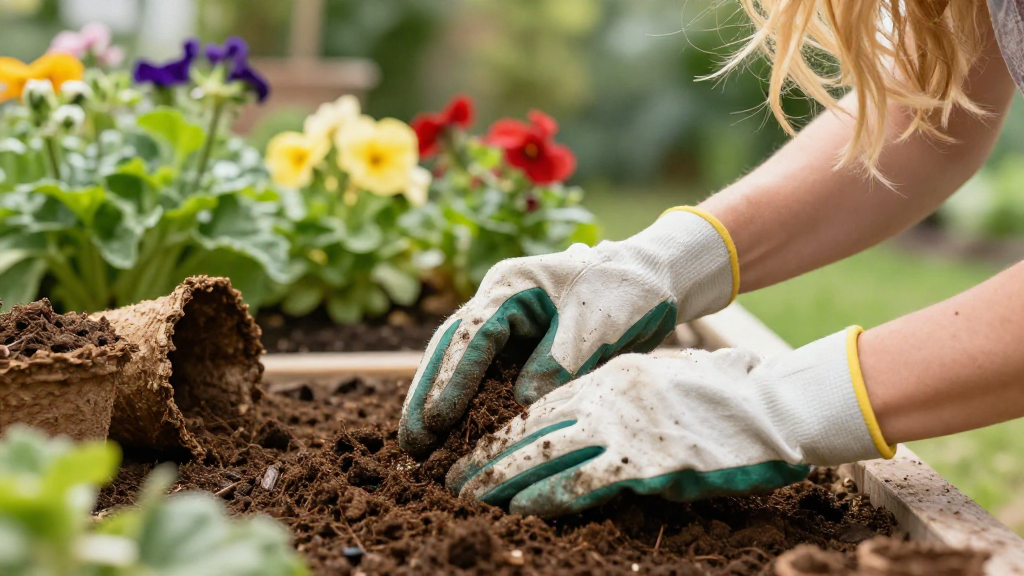
If you’re wondering how to reuse potting soil, you’re in the right place. Many gardeners seek to cut costs and reduce waste by repurposing their old potting soil. But can you do this effectively? Let’s explore how to reuse potting soil safely and successfully.
What is Potting Soil and Why Reuse It?
Potting soil, often referred to as potting mix, is a blend of organic and inorganic materials designed to support container plants.
Typically, it contains components such as:
- Peat moss
- Coconut coir
- Perlite
- Vermiculite
- Compost
By reusing potting soil, you can save money and minimize the environmental impact of gardening. However, it’s crucial to know how to reuse potting soil to avoid potential problems like disease and nutrient depletion.
How Can You Tell If Potting Soil is Usable?
Before diving into the process, it’s essential to assess whether your leftover potting soil is still usable. Here’s how:
Visual Inspection
- Look for pests: Check for any signs of insects, larvae, or unwanted critters.
- Check for mold: Surface mold or fungal growth can indicate problems.
Smell Test
- Musty odor: A strong, unpleasant smell can indicate that the soil has gone bad.
Texture and Composition
- Consistency: If the soil feels compacted or has lost its lightness, it may need rejuvenation.
- Presence of roots: Old roots can block nutrient access for future plants.
How to Refresh Old Potting Soil?
After determining that the potting soil is suitable for reuse, the next step is refreshing it. Here are some easy steps to revitalizing your old mix:
1. Remove Old Plant Material
Start by clearing out any visible plant debris.
This includes:
- Old roots
- Dead leaves
- Nearby pests
2. Sterilize the Soil
Sterilizing potting soil helps eliminate harmful pathogens.
You can do this in several ways:
- Oven Method: Spread the soil on a baking sheet and bake at 180°F (82°C) for about 30 minutes.
- Solarization: Moist soil can be placed in a clear plastic bag and left in the sun for several days.
3. Amend the Soil with Nutrients
Potting soil can lose nutrients over time.
Enhance it by adding:
- Compost: Boosts nutrient levels and promotes beneficial microorganisms.
- Worm castings: A rich organic fertilizer that enhances soil fertility.
- Slow-release fertilizers: Provides essential nutrients gradually.
4. Mix in Additives for Better Drainage
Incorporate additives to improve drainage and aeration. Consider using:
- Perlite: Enhances soil aeration.
- Coconut coir: Increases moisture retention.
- Sand: Improves drainage capabilities.
Is It Safe to Use Old Potting Soil for New Plants?
Yes, reusing old potting soil can be safe if done properly. However, certain precautions should be taken into account:
1. Choose Plants Wisely
Some plants are more tolerant of reused soil than others. Consider using old potting soil for:
- Annuals
- Vegetables
- Flowers
Avoid reusing soil for:
- Highly susceptible plants: Such as certain orchids or plants that had pests or disease.
2. Monitor for Problems
After planting, closely observe your plants for any signs of stress or disease.
Indicators of trouble may include:
- Wilting leaves
- Stunted growth
- Discoloration
How to Store Leftover Potting Soil?
Proper storage of leftover potting soil can prolong its usability and quality. Here are some tips:
1. Use Airtight Containers
Store unused potting soil in sealed containers to prevent moisture loss and pest infiltration.
2. Keep It Cool and Dry
Ensure that the storage area is:
- Cool: Ideal temperature below 75°F (24°C).
- Dry: Moisture fosters mold and bacterial growth.
What Common Errors Should You Avoid?
When learning how to reuse potting soil, avoid these common pitfalls:
1. Skipping Sifting
Not sifting the soil can leave behind pathogens or unwanted materials that can harm new plants.
2. Failing to Amend
Simply reusing old soil without amendments can lead to nutrient-depleted plants.
3. Not Being Aware of Pest Infestations
Always double-check for signs of pests to avoid lingering issues in your garden.
Conclusion: Maximize Your Gardening Resources
Learning how to reuse potting soil effectively not only benefits your wallet but also supports a sustainable gardening practice.
Follow the steps outlined above to ensure that your repurposed potting soil is safe and suitable for your next planting project.
With careful preparation and monitoring, you can give your plants the best chance to thrive while being eco-conscious.
Important Takeaways:
- Assess your potting soil for usability before reusing.
- Refresh the soil by removing old material, sterilizing, and adding nutrients.
- Store leftover soil properly to maintain its quality.
With these guidelines, you can nurture your plants and maximize your gardening resources effectively. Happy gardening!