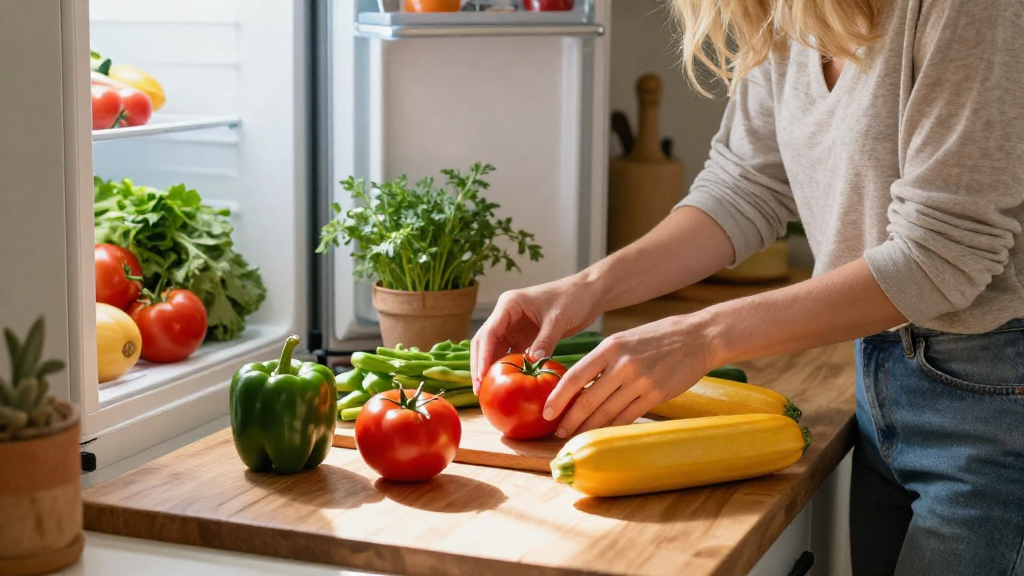
Freezing garden produce is an excellent way to preserve the freshness and nutritional value of your hard-earned harvest.
Whether you’re looking to store vegetables, fruits, or herbs for later use, mastering how to freeze garden produce can help you enjoy your garden’s bounty throughout the year.
Why Should You Freeze Garden Produce?
Freezing garden produce is advantageous for several reasons:
- Preserves Freshness: Freezing helps maintain the flavor and nutrients of your produce.
- Reduces Waste: If you have a bumper crop, freezing allows you to utilize your excess harvest instead of letting it spoil.
- Saves Time: Prepped produce can quickly be added to recipes, saving you time in meal preparation.
- Variety: You can enjoy seasonal produce long after the growing season has ended.
What Types of Produce are Best for Freezing?
Not all garden produce freezes equally well. Here’s what you should consider:
- Fruits: Berries, peaches, apples, and bananas freeze well.
- Vegetables: Spinach, broccoli, green beans, and carrots are ideal for freezing.
- Herbs: Basil, cilantro, and parsley can be frozen to preserve their flavors.
Make sure to choose ripe, fresh produce for the best results.
How to Prepare Garden Produce for Freezing?
Before you dive into the how to freeze garden produce, it’s essential to prepare your items properly. Here’s a simple step-by-step guide:
-
Clean the Produce: Wash fruits and vegetables under cool running water to remove dirt and pesticides.
-
Chop and Cut: Depending on what you’re freezing, cut the produce into appropriate sizes.
For example, chop leafy greens and slice fruits into manageable pieces. -
Blanching: Some vegetables need to be blanched before freezing to destroy enzymes that can affect flavor and texture.
– Boil water and add the vegetables for about 2-5 minutes, then plunge them into ice water to stop the cooking process. -
Draining: If you blanch your vegetables, drain them well to prevent ice crystals from forming during freezing.
-
Cooling: Allow your produce to cool completely on a paper towel or clean cloth to remove excess moisture.
How to Pack Garden Produce for Freezing?
Packing your produce correctly is crucial in mastering how to freeze garden produce. Here are some effective strategies:
- Containers: Use airtight containers or heavy-duty freezer bags.
-
When using freezer bags, remove as much air as possible before sealing to prevent freezer burn.
-
Labeling: Always label your containers with the type of produce and the date frozen to keep track of freshness.
-
Portioning: Consider portioning your produce so that you only need to thaw what you will use. This will also make cooking more convenient.
How to Thaw Frozen Garden Produce?
Knowing how to freeze garden produce is only half the battle; thawing is just as important. Here’s how to do it safely:
-
In the Refrigerator: The safest way to thaw frozen produce is in the refrigerator overnight. This method maintains a safe temperature.
-
Cold Water: For quicker thawing, submerge the container in cold water, changing the water every 30 minutes.
-
Microwave: You can also use your microwave to thaw garden produce, but be cautious as it may begin cooking some items.
How to Use Frozen Garden Produce?
Frozen produce can be used in a variety of ways once thawed. Here are some popular methods:
-
Smoothies: Blend frozen fruits into delicious smoothies for a boost of nutrients and flavor.
-
Soups and Stews: Add frozen vegetables directly to soups and stews. There’s no need to thaw, and it enhances the dish.
-
Stir-Fries: Cooking frozen vegetables reduces prep time, making them perfect for quick stir-fries.
-
Baking: Frozen fruit can be added directly into baked goods like muffins and pies without needing to thaw first.
What Are the Common Mistakes When Freezing Produce?
To maximize the quality and safety of your garden produce, avoid these common pitfalls:
-
Not Blanching Vegetables: Failing to blanch vegetables can lead to loss of flavor, texture, and color.
-
Using Non-Freezer-Safe Bags: Make sure your bags are specifically designed for freezing to prevent tears and leaks.
-
Improper Packing: Air exposure can lead to freezer burn. Always ensure your containers are airtight.
-
Freezing Produce in Large Quantities: Packing too much into one container can prevent the freezing process from working effectively.
Conclusion: Enjoying Your Garden Year-Round
Mastering how to freeze garden produce is a skill that pays off throughout the year.
With the right preparation and techniques, you can enjoy the fruits and vegetables from your garden long after the
season ends.
Whether you’re a seasoned gardener or new to harvesting, freezing your produce can help you reduce waste, save time, and create healthy meals effortlessly.
Remember:
- Plan your freezing process.
- Use the right methods for the best results.
- Enjoy the flavors of your garden even in the cold months.
By following these tips, you can ensure that your garden produce remains a delicious part of your culinary repertoire all year round!