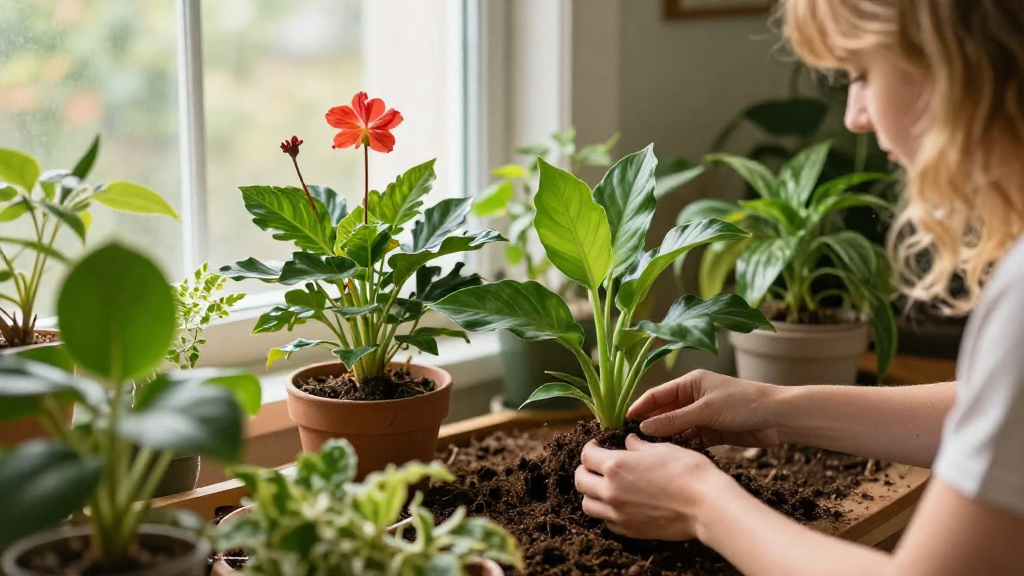
Growing houseplants in garden soil is a practical and economical way to ensure your indoor plants thrive.
If you’re wondering how to grow houseplants in garden soil effectively, you’re in the right place! Let’s explore everything from the benefits of garden soil to practical tips and tricks that will help your houseplants flourish.
What is Garden Soil?
Garden soil, often referred to as topsoil, is a natural growing medium comprised of various organic materials.
These include:
- Clay
- Silt
- Sand
- Organic matter (like decomposed leaves and compost)
Garden soil is typically found outdoors, where it supports a wide range of plant life.
However, understanding how to grow houseplants in garden soil can transform this ordinary medium into a nurturing home for your indoor plants.
Why Choose Garden Soil for Houseplants?
When considering how to grow houseplants in garden soil, it’s essential to understand the advantages it offers:
-
Nutrient-Rich: Garden soil is packed with essential nutrients that can benefit your houseplants, promoting healthier and more vibrant growth.
-
Cost-Effective: Using garden soil can save you money compared to purchasing specialty potting mixes or pre-packaged soil.
-
Natural Drainage: Quality garden soil provides excellent drainage when appropriately amended, ensuring your plants don’t get waterlogged.
-
Enhanced Microbial Life: The beneficial microorganisms in garden soil can lead to healthier root systems, improving nutrient uptake.
What Do You Need to Prepare Garden Soil for Houseplants?
Preparation is key when learning how to grow houseplants in garden soil. Here’s what you need to do:
1. Choose the Right Garden Soil
Start with nutrient-rich garden soil.
Check for:
- Well-broken clumps: Avoid clumpy soil, as it can hinder root growth.
- Organic amendments: Look for soil containing compost or other organic matter.
2. Amend the Soil
If your garden soil seems too compact or lacks nutrients, consider adding amendments, such as:
- Peat Moss: To improve moisture retention.
- Perlite: To enhance aeration and drainage.
- Vermiculite: To add extra nutrients and enhance water retention.
3. Test the Soil pH
The ideal pH level for most houseplants is between 6.0 and 7.0.
Use a pH testing kit or meter to determine the soil’s acidity.
If the pH is too high or too low, you can amend the soil:
- For acidic soil: Add lime to increase pH.
- For alkaline soil: Add sulfur to decrease pH.
How to Plant Houseplants in Garden Soil?
Now that you have your soil prepared, it’s time to understand how to grow houseplants in garden soil through the planting process. Follow these steps:
1. Select Your Houseplants
Choose houseplants that are compatible with garden soil.
Some suitable options include:
- Spider Plant
- Pothos
- ZZ Plant
- Dracaena
2. Choose Appropriate Containers
Select pots that have drainage holes to prevent excess water from accumulating at the bottom.
When choosing pots, consider:
- Size: Ensure pots are large enough for your plants as they grow.
- Material: Clay pots allow better airflow, while plastic pots are lighter and easier to move.
3. Fill Containers with Garden Soil
Fill each pot with the garden soil, leaving about 1-2 inches of space at the top.
4. Plant Your Houseplants
Carefully remove the plants from their original pots and place them in the center of the new pots.
Gently fill in around the roots with more garden soil, ensuring there’s no air space.
5. Water Thoroughly
After planting, water thoroughly to help settle the soil.
Make sure the water drains out of the bottom, which indicates that the soil is adequately moistened.
How to Care for Houseplants in Garden Soil?
After planting, it’s crucial to know how to grow houseplants in garden soil through proper care. Here are essential tips:
1. Watering
Water your houseplants when the top inch of soil feels dry.
Remember, overwatering can lead to root rot, so always check the moisture level!
2. Fertilizing
Consider fertilizing your houseplants every 4-6 weeks during the growing season.
Use a balanced, water-soluble fertilizer diluted to half-strength.
3. Light Needs
Monitor the light requirements of your houseplants.
Most houseplants prefer indirect sunlight.
4. Humidity and Temperature
Houseplants generally thrive in higher humidity and temperatures between 65°F to 75°F (18°C to 24°C).
Consider using a humidity tray or misting plants occasionally if your indoor air is dry.
5. Pruning and Repotting
Occasionally, you’ll need to prune your houseplants to remove dead leaves or to shape your plant.
When they outgrow their pots (usually every 1-2 years), consider repotting them into larger containers with fresh garden soil.
Potential Challenges When Growing Houseplants in Garden Soil
Even with careful preparation, there can be challenges. Here’s how to overcome them:
1. Pest Issues
Common pests include spider mites, aphids, and fungus gnats.
Use insecticidal soap or neem oil to tackle small infestations.
2. Root Rot
Make sure your pots have adequate drainage to prevent overwatering.
If plants show signs of root rot (yellowing leaves and mushy roots), consider repotting in fresh soil.
3. Soil Compaction
Over time, garden soil can compact, leading to poor drainage.
Loosen the top layer of soil periodically and consider repotting to refresh your plants’ environment.
Final Thoughts: Mastering the Art of Growing Houseplants in Garden Soil
Learning how to grow houseplants in garden soil can not only save you money but can also lead to healthier plants.
By selecting the right garden soil and providing proper care, you can enjoy lush, vibrant houseplants throughout your home.
Whether you’re a beginner or an experienced plant parent, integrating garden soil into your indoor gardening routine can lead to fulfilled, blooming houseplants that enhance your living space.
So start experimenting and enjoy the process of nurturing your indoor garden!