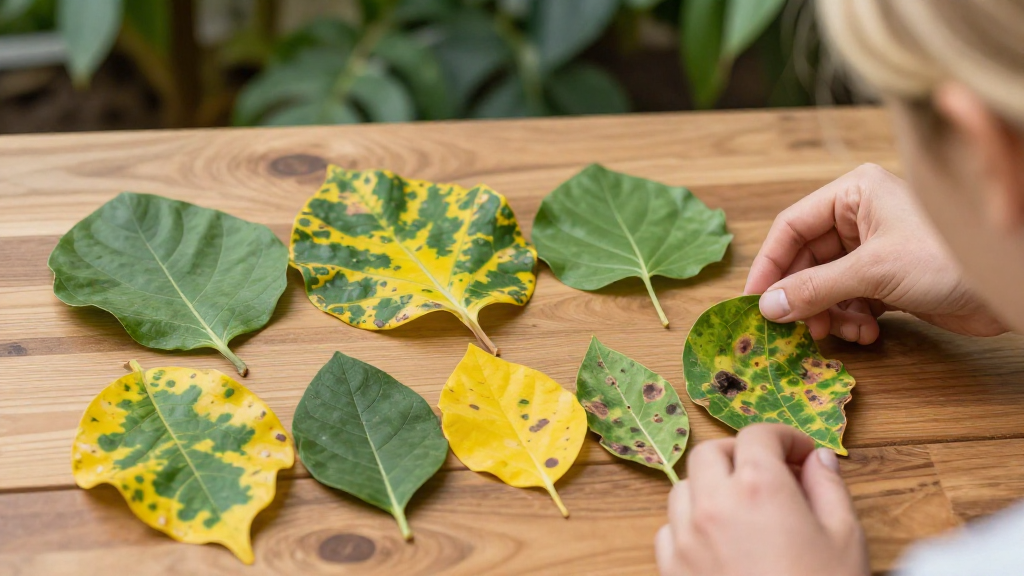
Understanding how to identify plant diseases is crucial for any gardener or plant enthusiast.
Plant leaves often show the first signs of distress, and knowing how to interpret these signals can save your plants from irreversible damage.
Why is Leaf Observation Important for Plant Health?
Observing leaves is essential because they are the primary site of photosynthesis.
Healthy leaves contribute to overall plant vigor.
Signs of Leaf Distress:
– Discoloration: yellowing or browning
– Spots: irregular patches of discoloration
– Wilting: drooping or shriveling
– Abnormal growths: bumps, holes, or blisters
Identifying these signs early can lead to effective interventions.
How to Identify Plant Diseases by Leaves?
When trying to determine how to identify plant diseases, you must first recognize the patterns.
Each type of disease often presents unique signs on leaves, helping you in diagnosis.
What are Common Symptoms of Plant Diseases?
Here are some common symptoms you might encounter:
- Yellowing Leaves (Chlorosis): This condition often indicates nutrient deficiency.
- Leaf Spots: Fungal or bacterial infections can cause spots of various colors.
- Wilting Leaves: Overwatering or root rot may be the culprit here.
- Curling Leaves: This can indicate pest infestations or virus infections.
- Brown Edges: Often a sign of drought stress or nutrient deficiency.
Understanding these symptoms is the first step in learning how to identify plant diseases.
What Causes Leaf Discoloration, and How Can I Diagnose It?
Leaf discoloration can stem from multiple factors:
- Nutrient Deficiency: Lack of nitrogen can lead to yellow leaves.
- Pest Damage: Aphids and spider mites can suck out vital nutrients, causing discoloration.
- Environmental Stress: Too much sun or wind can scorch leaves.
Make sure to examine the whole plant.
Assess soil quality, inspect neighboring plants, and check watering routines for comprehensive evaluation.
How Do Fungal Infections Appear on Leaves?
Fungal infections are common culprits in plant diseases, and identifying them involves recognizing specific symptoms:
- Powdery Mildew: A white, powdery coating on leaves usually indicates fungal growth.
- Leaf Spots: Dark or wet-looking spots can signal either fungal or bacterial infections.
- Wilting and Yellowing: Fungal infections often lead to root issues that manifest as wilting.
To confirm a fungal infection, consider taking samples to a local garden center or agricultural extension office.
Can I Identify Viral Infections Through Leaves?
Viruses affect plants in more subtle ways than fungi or bacteria.
However, there are distinctive signs:
- Mosaic Patterns: Leaves may display mottled color patterns.
- Distorted Growth: Leaves may curl, twist, or grow abnormally small.
- Stunted Growth: Overall plant growth may be severely reduced.
Since how to identify plant diseases encompasses all possibilities, a virus often requires lab testing for accurate diagnosis.
How Can Pests Affect Leaf Health?
A wealth of pests can wreak havoc on plants.
Familiarize yourself with these common offenders:
- Aphids: Small, sap-sucking insects that can cause curling and yellowing.
- Spider Mites: Induce fine webs on leaves.
- Caterpillars: They can leave large holes in leaves.
Keep an eye out for pest droppings or webs.
Using neem oil or insecticidal soap can help deal with infestations effectively.
What Steps Can I Take After Identifying Plant Diseases?
After you have learned how to identify plant diseases, you must act quickly.
Here are the steps you should consider:
- Quarantine the Infected Plant: Prevent further spread to other plants.
- Remove Affected Leaves: Prune the diseased areas to maintain plant health.
- Adjust Watering Practices: Over or under-watering can exacerbate issues.
- Fertilize Carefully: Provide necessary nutrients based on identified deficiencies.
- Seek Expert Help: If unsure, consult a horticulturist for diagnosis and treatment.
Should I Use Chemical Treatments for Plant Diseases?
Chemical treatments can be effective but should be used cautiously.
Always follow the manufacturer’s directions and consider organic alternatives first.
Some options include:
- Fungicides: For fungal infections.
- Insecticides: For pest-related problems.
- Herbicides: If weeds are causing stress.
Use these sparingly; prioritize integrated pest management (IPM) strategies to minimize chemical use.
How Can I Prevent Plant Diseases in the Future?
Proactive measures can save you time and effort in managing plant diseases.
Here are some preventive strategies:
- Healthy Soil: Regularly amend soil and test for nutrient levels.
- Proper Spacing: Allow for air circulation to reduce fungal growth.
- Rotate Crops: Prevent soil-borne pathogens from recirculating.
- Regular Monitoring: Check plants weekly for any initial signs of distress.
By regularly observing your plants and maintaining good practices, you can effectively reduce the likelihood of infection.
Conclusion
Learning how to identify plant diseases by leaves is an invaluable skill for any gardener.
From recognizing symptoms to implementing preventive measures, your proactive approach will ensure healthier plants.
Stay vigilant, keep your garden healthy, and always be ready to intervene when the leaves show distress!