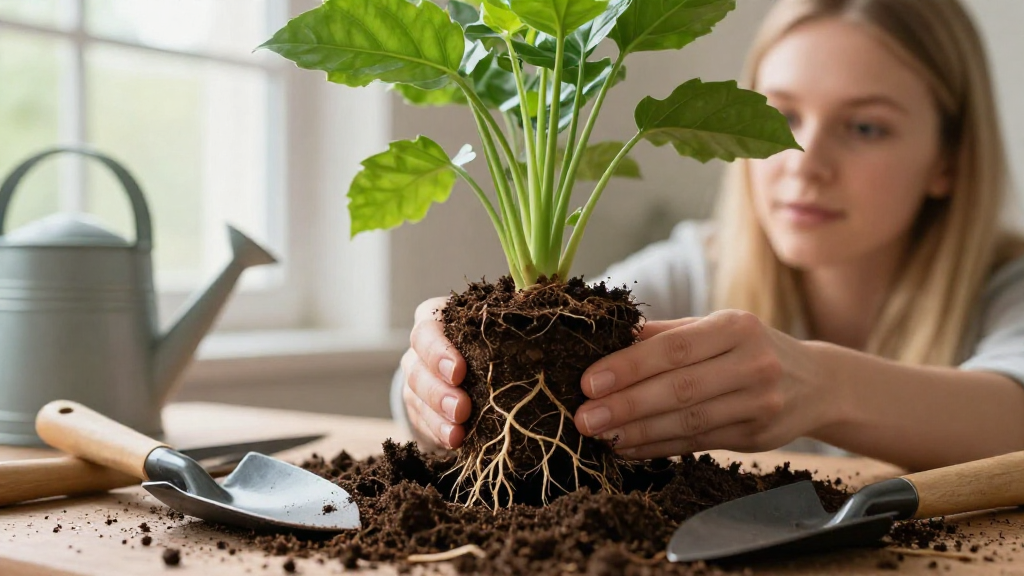
If you’re struggling with a distressed plant, you might be wondering how to treat root rot effectively. This common problem can quickly turn your once-thriving green partner into a sad, droopy sight.
Understanding root rot is vital for any plant enthusiast, whether you’re new to gardening or a seasoned expert.
What is Root Rot?
Root rot is a fungal infection that occurs when plants are overwatered or the soil doesn’t drain properly.
- Fungi thrive in overly moist conditions, leading to the decay of the roots.
- Plants with root rot will exhibit signs like yellowing leaves, stunted growth, and a mushy smell.
Knowing these symptoms can help you act quickly.
How Do I Identify Root Rot?
One of the first steps in learning how to treat root rot is identifying it early. Here are some signs to look out for:
- Discolored Leaves: Look for yellow, wilting, or droopy leaves.
- Mushy Stems or Roots: When you remove your plant from the pot, check for dark, soft roots.
- Foul Smell: A rotten smell around the plant is a clear indicator of decay.
- Stunted Growth: If your plant isn’t growing as it should, this may signal root problems.
Understanding these signs is crucial for swift intervention.
Can I Save My Plant with Root Rot?
Yes! With the right steps, you can save your plant from the brink of death caused by root rot.
Follow this guide to learn how to counteract root rot.
How Do I Treat Root Rot?
Here’s a straightforward plan for how to treat root rot effectively:
1. Remove the Plant from the Pot
Carefully take your plant out of its pot.
- Ensure you don’t damage the roots further during this process.
2. Check the Roots
Inspect the roots thoroughly for signs of rot.
- Healthy roots are usually white and firm.
- Remove any mushy, dark roots using sterilized scissors.
3. Clean the Pot
Before replanting, clean the pot to prevent further fungal issues.
- Wash the pot with soapy water or a diluted bleach solution to kill remaining pathogens.
- Rinse thoroughly and let it dry.
4. Repot with Fresh Soil
Choose a suitable potting mix that provides good drainage.
- Look for mixes labeled as “well-draining” or incorporate perlite to enhance drainage.
- When repotting, ensure that the new pot has drainage holes.
5. Water Sparingly
After repotting, be careful with your watering habits.
- Allow the soil to dry out completely between watering.
- Check the moisture levels with your finger; water only when the first inch of soil feels dry.
6. Rehabilitate the Plant
Provide optimal conditions for recovery.
- Keep your plant in a location with indirect sunlight.
- Avoid fertilizing until the plant shows signs of new growth.
Preventing Future Root Rot
Knowing how to treat root rot is important, but prevention can save you time and effort in the future.
Here are some effective strategies:
1. Choose the Right Soil
Use potting mixes designed for the specific needs of your plant.
- Cacti and succulent mixes drain quickly compared to standard potting soil.
2. Ensure Correct Pot Size
Using an overly large pot can lead to water retention.
- Choose a pot that fits your plant’s root ball snugly.
3. Provide Adequate Drainage
Make sure your pots have sufficient holes for water to escape.
- Consider adding drainage materials, like small stones or charcoal, to the bottom of the pot.
4. Establish a Watering Schedule
Keep a consistent yet adaptable watering schedule based on seasonal changes.
- Check humidity levels and adjust your watering routine accordingly.
5. Monitor Environmental Conditions
Maintain appropriate humidity and temperatures for your specific plant type.
- Use a moisture meter to track soil moisture levels accurately.
When to Seek Professional Help
Sometimes, despite your best efforts in how to treat root rot, the situation may be beyond home remedies.
Consulting with a plant specialist can be beneficial if:
- Signs Persist: If your plant doesn’t improve after following the treatment methods.
- Invasive Pests: If pest infestations appear simultaneously with root rot, it may complicate recovery.
- Multiple Plants Affected: If several of your plants show similar symptoms, it may indicate a broader environmental issue.
Professional guidance can help you understand the root cause and the best steps to take.
Final Thoughts
Learning how to treat root rot can save your beloved plants and bolster your gardening skills.
- By quickly identifying the symptoms and implementing the corrective steps mentioned, you improve your plant’s chances of survival.
- Remember, the key to thriving plants is not only in treatment but consistent preventive measures.
With just a bit of practice and observation, you can nurture a robust collection of plants free from root rot worries. Happy gardening!