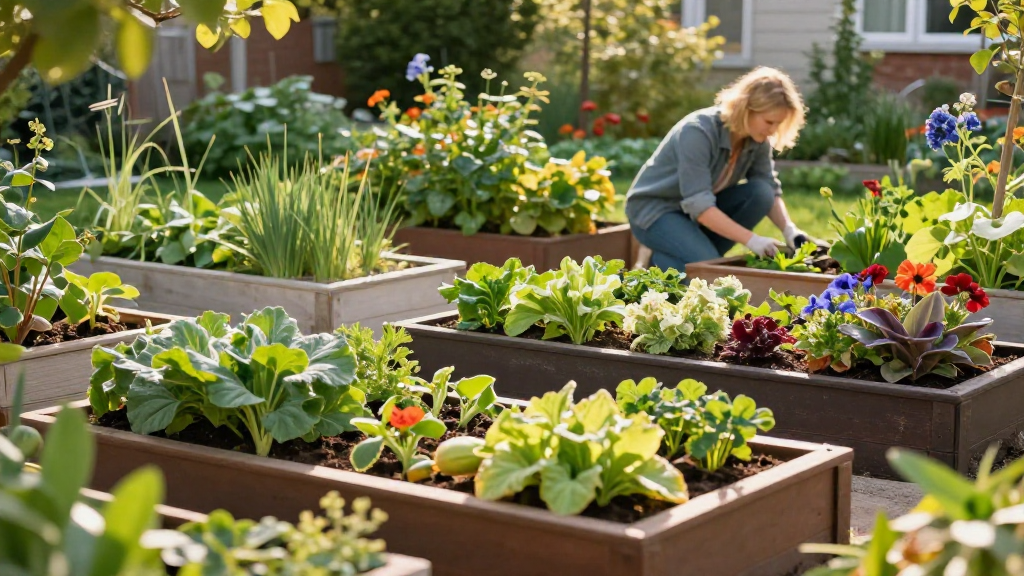
When it comes to gardening in small spaces, knowing how to use raised beds efficiently can make all the difference.
Raised beds offer a multitude of advantages, including better soil control, improved drainage, and easier access for maintenance. This article will delve into strategies that maximize the benefits of raised beds, allowing small garden enthusiasts to grow lush and productive plants despite limited space.
What Are Raised Beds?
Raised beds are gardening containers built above the ground, usually framed with wood, stone, or other materials. They typically range in height from 6 to 36 inches.
Here are some essential features:
- Soil Control: You can create the ideal soil mix for your plants.
- Drainage: Raised beds promote better drainage, preventing root rot.
- Accessibility: Easier to reach for planting, weeding, and harvesting.
All these factors underscore the importance of knowing how to use raised beds efficiently.
Why Should You Use Raised Beds in a Small Garden?
Using raised beds in small gardens comes with numerous advantages:
-
Maximized Space: Raised beds allow you to utilize vertical space as well. You can plant vertically climbing vegetables or flowers alongside other plants.
-
Soil Quality: Control what goes into your soil. You can amend the soil to fit your garden’s specific needs.
-
Pest Management: Raised beds can make it harder for pests to reach your plants. You can also cover them more easily with netting or row covers.
-
Fewer Weeds: A well-maintained raised bed can minimize weed problems.
Understanding these benefits makes it clear why learning how to use raised beds efficiently is crucial for successful gardening in tight spaces.
What Materials Are Best for Building Raised Beds?
When deciding how to construct your raised beds, select materials that are durable and safe for growing food. Here are a few popular choices:
-
Wood: Untreated cedar or redwood is ideal, as it resists decay naturally. Avoid treated wood, as chemicals may leach into the soil.
-
Composite Material: Recycled plastic or wood-fiber composites can last for years and require little maintenance.
-
Stone or Brick: These materials offer excellent durability and can enhance the aesthetics of your garden.
Before you begin construction, consider the material and how it contributes to how to use raised beds efficiently.
How High Should Your Raised Beds Be?
The height of your raised bed can affect various factors, including drainage, soil volume, and ease of access.
-
12 to 18 inches: This is ideal for most vegetables. It provides enough depth for roots to thrive without making access difficult.
-
24 to 36 inches: If bending down is challenging, consider deeper beds. These heights are great for gardeners who prefer to work from a standing position.
Choose a height that fits your gardening style and physical needs, ensuring that you fully leverage how to use raised beds efficiently.
What Soil Should You Use for Raised Beds?
The soil you choose can determine the success of your plants. A good mix typically involves:
- Topsoil: Base for your mix.
- Compost: Provides nutrients and improves soil structure.
- Peat or Coconut Coir: Retains moisture while allowing drainage.
- Perlite or Vermiculite: Improves aeration and drainage.
A common ratio is 1:1:1 of topsoil, compost, and peat. This soil mix not only benefits your plants but is also a fundamental aspect of understanding how to use raised beds efficiently.
What Plants Are Best for Raised Beds?
Small gardens are ideal for growing a variety of plants in raised beds. Here are some effective choices:
-
Leafy Greens: Lettuce, spinach, and kale thrive in the cooler upper layers of soil.
-
Root Vegetables: Carrots, radishes, and potatoes can grow well in deeper beds.
-
Herbs: Basil, cilantro, and parsley do particularly well in raised beds where they receive adequate sunlight.
-
Compact Vegetables: Bush beans, peas, and smaller varieties of tomatoes fit nicely into limited spaces.
Choosing the right plants can significantly contribute to how to use raised beds efficiently in your small garden.
How Can You Maximize Plant Space in Raised Beds?
Efficiency is key when dealing with limited space. You can use the following strategies:
-
Companion Planting: This involves planting species that naturally support each other, resulting in higher yields.
-
Succession Planting: As soon as one crop is harvested, another can be planted immediately to make the most of the growing season.
-
Vertical Gardening: Use trellises or cages to grow climbing plants vertically, thus freeing up ground space for other crops.
Implementing these practices will help you learn how to use raised beds efficiently to their fullest potential.
How Can You Maintain Raised Beds Throughout the Season?
Consistency in maintenance will help your plants thrive. Here are vital tips:
-
Water: Raised beds dry out more quickly than ground level. Regular watering is essential, especially during dry spells.
-
Fertilizer: Regularly refresh your soil with organic fertilizer to replenish nutrients.
-
Weed Control: Regular weeding helps reduce competition for nutrients.
-
Mulching: A layer of mulch can regulate soil temperature and retain moisture.
By following these maintenance tips, you can enhance your gardening experience and learn how to use raised beds efficiently.
Conclusion
Using raised beds efficiently in small gardens is not just about having a space to plant; it involves an understanding of materials, soil, plant choices, space optimization, and maintenance.
As you embrace these strategies, you can transform limited garden areas into productive and inviting green spaces.
Remember, the key to ensuring that your gardening journey is successful lies in how effectively you apply the principles of raised bed gardening.
Whether you are a beginner or a seasoned gardener, these insights will guide you in how to use raised beds efficiently, ensuring your small garden flourishes year after year. Happy gardening!